How Long Do NFC Business Cards Last? Maintenance & Longevity Tips
How long do NFC business cards actually last? Many professionals worry that repeated tapping, daily use, or environmental exposure might cause their NFC business card to stop working over time. This concern is valid, especially when your card plays a key role in networking, lead generation, and first impressions.
The good news is that NFC business cards are designed to last for years when properly maintained. Both the physical card material and the digital profile behind it affect long-term performance. With the right care, an NFC business card can handle thousands of taps without losing reliability.
In this guide, you will learn how NFC business cards work, what factors affect their lifespan, and practical maintenance tips to keep them performing smoothly. We will also cover material-specific care, digital upkeep, and explain why Tapilink cards are built for long-term use.
How Long Do NFC Business Cards Last?
Most NFC business cards are designed to last for several years. The NFC chip itself does not wear out from tapping and can typically support tens of thousands of reads. In real-world use, the lifespan of an NFC business card depends more on physical handling, material quality, and environmental exposure than on the chip itself. Cards made from durable materials like PVC, metal, or composite materials generally last longer than paper-based alternatives when cared for properly.
Do NFC Business Cards Stop Working Over Time?
NFC business cards do not stop working simply because they are used frequently. Unlike magnetic stripe cards or batteries, NFC chips are passive and have no moving parts. However, physical damage, extreme heat, moisture, or bending can affect performance. In most cases, issues occur due to material damage rather than chip failure. With basic care and proper storage, NFC business cards remain reliable for years.
Understanding NFC Technology in Business Cards
What is NFC?
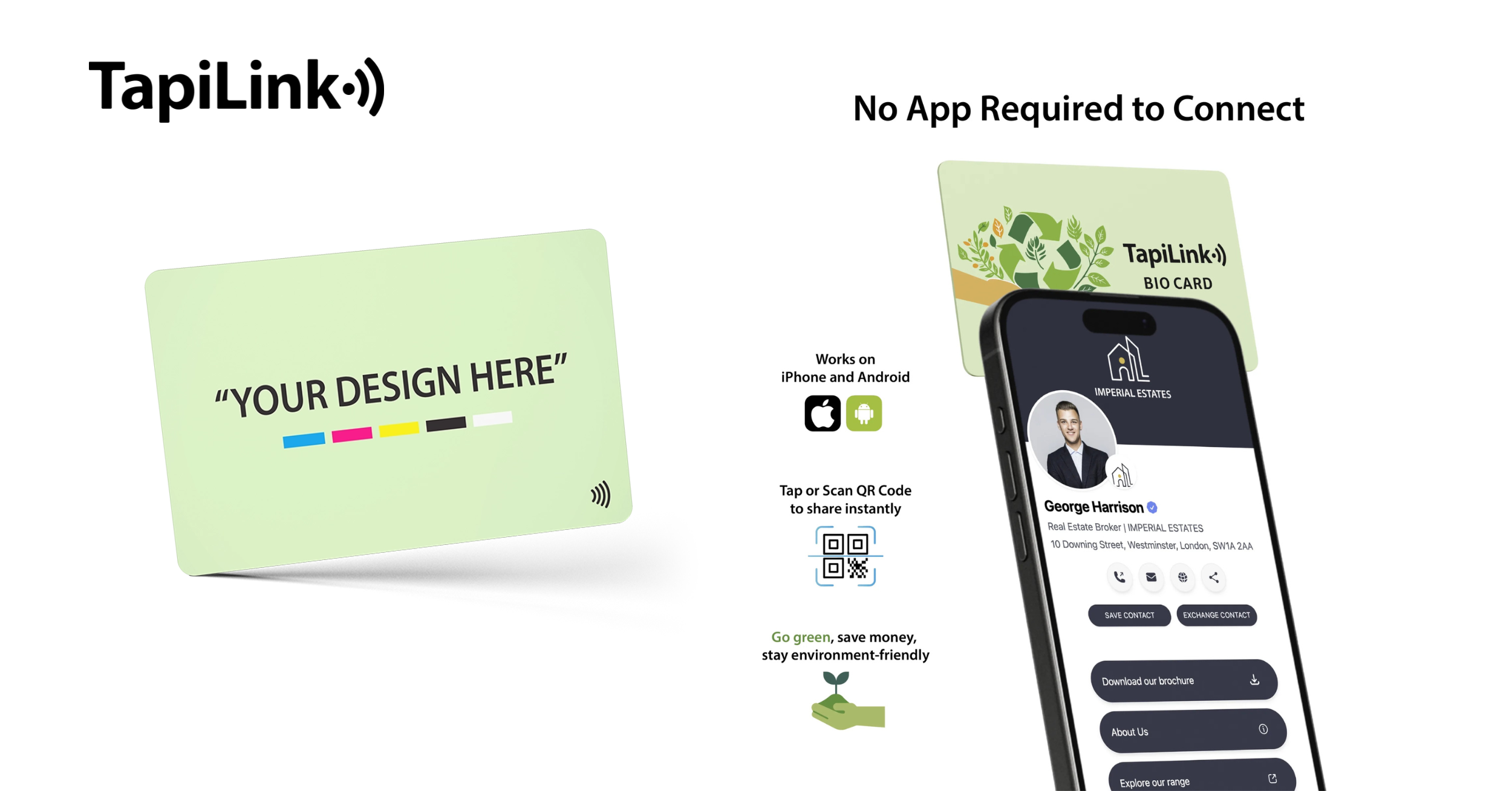
Near‑field communication is a short‑range wireless protocol that operates at 13.56 MHz. It enables data exchange between devices that are within a few centimetres of one another. In an NFC business card, a tiny chip stores a URL that points to your digital profile. When someone taps the card on a smartphone, the chip transmits the link to the phone, which opens your profile in the browser. Unlike QR codes, NFC cards don’t require the recipient to open a camera or scan a code, making the experience more professional and seamless. Most modern smartphones can read NFC tags automatically, so no app is required.
Key characteristics
Passive technology– NFC cards do not have batteries. They draw power from the reader (the smartphone), so they never need charging or replacement batteries.
Reusability and updatability– Because your information lives on a digital profile, you can edit or replace details without needing a new card. Platforms even allow multiple profiles on a single card, and analytics dashboards can track how many times your card is tapped.
Environmental advantages– One NFC card can replace thousands of paper cards, making it a more sustainable networking tool. Materials such as PVC, wood or metal determine the feel and durability of the card.
How does an NFC card work in business?
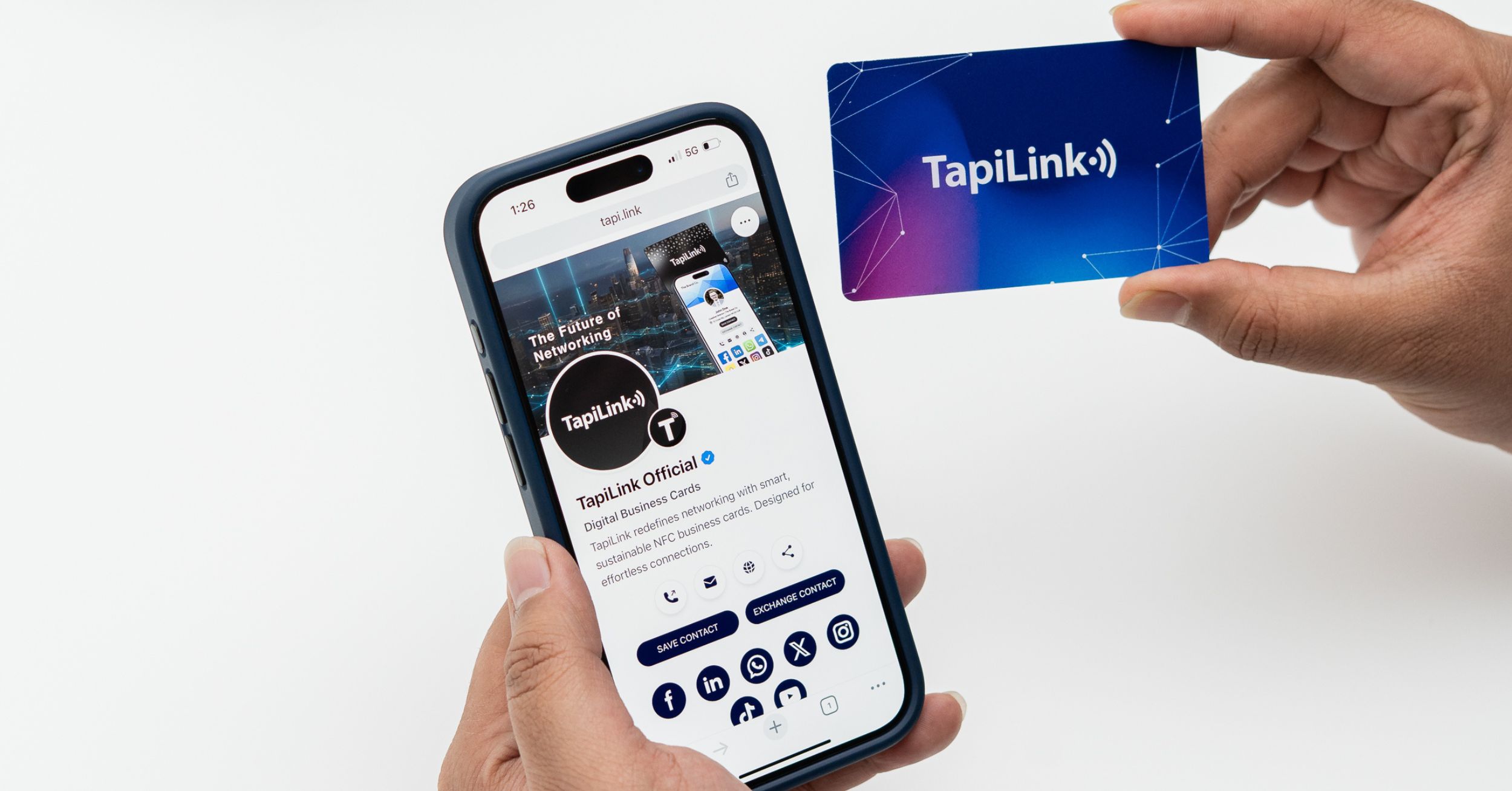
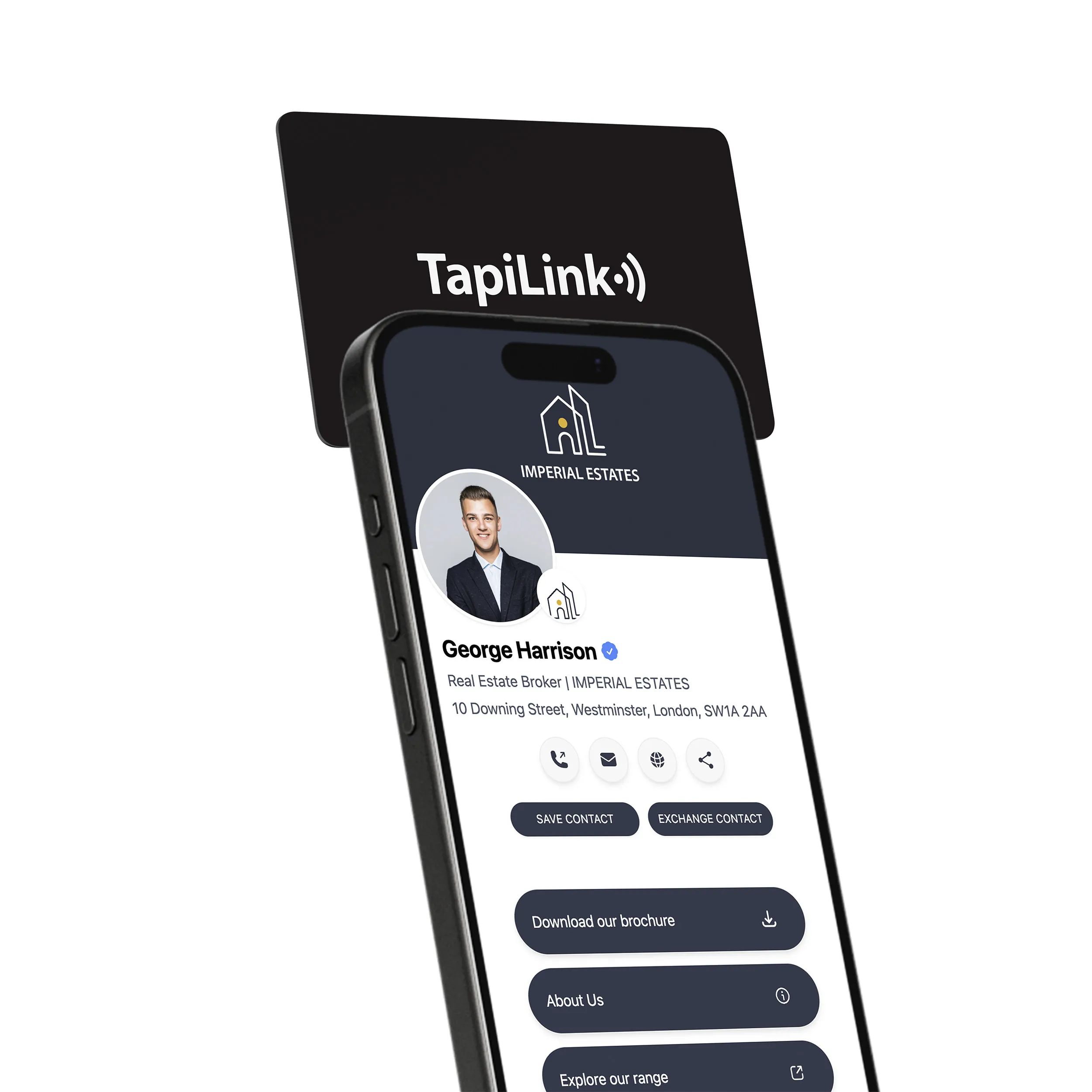
When you hand a Tapilink card to a prospect, they simply tap it on the back of their phone. The NFC chip transfers a link to your digital profile this could be a landing page containing your contact details, social media links and even payment buttons. Because the link is hosted on Tapilink’s servers, you can update the content anytime without reprinting the physical card. Many NFC platforms integrate with customer‑relationship‑management (CRM) tools and marketing automation. For instance, leading providers offer dynamic QR links and CRM integration to help professionals manage contacts and leads.
Why Maintenance Is Important
NFC business cards are engineered to last, but longevity depends on how well you care for them. Regular maintenance preserves both the chip’s functionality and the physical card’s appearance. Neglecting proper care can lead to diminished readability, surface damage and even complete malfunction. A study on RFID/NFC cards found that regularly maintained cards lasted up to 50 % longer than those that received little care. Proper maintenance also saves money by reducing the need for replacements and minimizes the risk of downtime or lost opportunities.
Consequences of neglect
Physical damage– Bending, cracking or chipping is one of the leading causes of NFC card failure. Improper storage or placing heavy objects on your card can damage the chip. Water damage or exposure to extreme temperatures can also warp or weaken card materials.
Performance decline– Dirt or dust accumulation on the card’s surface can degrade readability. Environmental factors such as high humidity or heat can further reduce performance.
Signal interference– Electromagnetic fields and metal surfaces can interfere with NFC signals. Storing the card near strong magnets or other NFC devices may lead to unreliable taps.
Loss or theft– While NFC cards generally store only a link, unauthorized individuals could still misrepresent your data if they find your card. Deactivating a lost card and reassigning the profile to a new card is essential.
NFC Business Card Maintenance Tips
Physical care
NFC cards come in various materialsPVC, wood, composite vinyl and even stone. Each material needs specific handling:
Avoid bending and pressure– Wooden cards can crack or lose their shape if bent. Handle them gently and avoid stacking heavy items on top. Similarly, PVC and other materials can warp under pressure, compromising the chip.
Keep the card dry– Wood and paper cards are porous and absorb moisture, which can cause warping or delamination. Even for PVC or composite cards, prolonged exposure to water or high humidity can affect the embedded chip. Always store your card in a dry environment.
Protect from sunlight and heat– Extended UV exposure can fade colors and make PVC brittle, while high heat weakens wood fibers. Store your card in a shaded, cool place when not in use.
Clean gently– Use a soft, lint‑free cloth to wipe away dust or smudges. Avoid abrasive materials and harsh chemicals that might scratch or degrade the surface. For wooden or stone cards, use a dry cloth and blot moisture immediately if spills occur.
Use protective sleeves– Store cards in protective sleeves or cardholders to minimize physical stress and prevent scratches. Sleeves also keep dirt and moisture away when the card is inside a wallet or bag.
Avoid electromagnetic interference– Keep your card away from high‑frequency devices and metal surfaces that could disrupt the signal. Do not sandwich multiple NFC cards together without separators; they might interfere with each other.
Digital maintenance
Maintaining the digital side of your NFC card is just as important as physical care. Because the card links to an online profile, you can update information as your business evolves. Regular digital maintenance helps ensure your NFC business card continues to work reliably and delivers accurate information every time it is tapped.
Backup your data– Before making changes to an NFC card using a reader/writer app, back up the existing data. Use the app to read the card’s content and save it to your device or cloud storage. This ensures you can recover the original data if something goes wrong.
Use appropriate tools– When editing the content of your NFC card yourself, you’ll need an NFC‑enabled smartphone or tablet and a reader/writer app such as NFC Tools or NFC TagWriter. These apps let you read your card, edit records and write new content.
Test after updates– After writing new data to the card, test it by tapping the card with an NFC‑enabled device to ensure the updated information appears correctly.
Secure your card– If your card controls access to sensitive areas or payment information, ensure that only authorized users can modify the content. Once you have updated the card, protect it from unauthorized taps by storing it securely.
Use online platforms– Some providers offer online dashboards that allow you to update your card without any app or NFC‑enabled device. You simply log in to your account, edit the content and the changes sync to your card instantly.
Handling different materials
Different card materials have unique care requirements:
Material
Key care tips
Wood
Handle gently; avoid bending and moisture; store in a cool, dry place; clean with a soft dry cloth.
PVC
Protect from UV exposure; avoid high heat and humidity; clean with a soft cloth and mild water when necessary.
BioPoly™ Vinyl
Store in cool, dry conditions; avoid strong chemicals; use lint‑free cloths for cleaning.
BioPoly™ Stone
Avoid harsh chemicals; wipe with soft cloth and mild detergent; store away from extreme heat and moisture.
Paper
Keep away from moisture; store in shaded, dry areas; only dry‑clean with a soft cloth.
How to Increase the Longevity of Your NFC Business Card
Extending the life of your card goes beyond everyday maintenance. Consider these additional strategies:
Invest in high‑quality materials– Opt for cards made from durable PVC, metal or robust composites that can withstand years of tapping. High‑quality NFC cards are designed to last for years and can handle thousands of taps. When selecting a card provider, look for features such as water resistance and UV protection.
Consider the environment– Temperature and humidity play a large role in material degradation. Store your card in a cool, dry place and avoid leaving it in a hot car or in direct sunlight for long periods.
Use protective accessories– Card holders, sleeves or protective cases reduce wear and tear and protect the chip from accidental bending or scratching. Some holders also block electromagnetic interference.
Update content strategically– Keeping your digital profile current ensures that your networking contacts always receive accurate information. Use platforms that allow real‑time updates and multiple profiles so you can switch between personal and business identities without needing new cards.
Plan for loss or theft– Choose providers that allow you to deactivate or unlink a card easily. If your card is lost, quickly disable it and transfer your profile to a new card. Some platforms provide analytics to help you monitor unusual activity.
Follow security best practices– Turn off NFC on your smartphone when not in use, verify the legitimacy of tapping stations at events, and choose providers with robust security certifications (ISO 27001, GDPR) and encryption. Providers like Tapt pair NFC with QR fallback and dynamic links to maintain functionality across devices. NFC business card lifespan depends largely on material quality and daily handling.
Why Choose Tapilink for Your NFC Business Cards
Quality and durability
At Tapilink, we believe your business card should be as resilient as your brand. Our NFC cards are crafted from high‑quality materials that can endure regular handling without losing their professional appearance. Features like water resistance and UV protection ensure that your card remains vibrant and functional.
Cutting‑edge technology
Tapilink cards leverage the latest NFC chips and support common protocols so they work seamlessly with most smartphones and tablets. Our platform allows you to store ample information, from contact details to rich media, and ensures sufficient storage capacity for your needs.
Customization and branding
Your card should reflect your unique identity. Tapilink offers extensive customization options including logos, brand colours and custom messagesso your card becomes an extension of your brand. Whether you prefer sleek minimalist designs or vibrant full‑colour prints, we can bring your vision to life.
Security and user experience
Security is paramount. Tapilink cards incorporate robust encryption and access‑control features to protect your data. Despite the advanced technology, using a Tapilink card is effortless: recipients simply tap to call, email or access your profile. Our platform also supports integration with popular CRM systems and productivity apps, streamlining your contact management.
Global reach and support
Tapilink supports multilingual profiles, enabling you to create different language versions of your card to connect with an international audience. We pride ourselves on exceptional customer service and a reputation built on quality. While price is an important consideration, Tapilink never compromises on materials or features; we stand by our products and offer competitive pricing backed by stellar reviews
Conclusion
NFC business cards offer a powerful, sustainable alternative to paper cards. They provide instant contact exchange, updateable profiles and analytics while reducing waste. Yet, longevity depends on proper maintenance. Physical care avoids bending, moisture and extreme heat, using protective sleeves and cleaning gently prevents damage to the card’s materials and chip. Digital maintenance, backing up data, using trusted apps or online dashboards, testing updates and securing access keeps your information accurate and safe.
By following the tips outlined in this guide, your Tapilink NFC business card will remain functional and professional for years. When selecting a provider, consider quality, durability, customization, security, compatibility and support. Tapilink excels in all these areas, offering high‑quality materials, cutting‑edge technology and excellent customer service. Invest in a Tapilink card today and experience the future of networking efficiently, eco‑friendly and built to last.
Hey, have you heard about NFC business cards? NFC business cards are digital cards that have an NFC chip for sharing information with a single tap on a smartphone. They’re quickly becoming a total game-changer for professionals, and honestly, if you haven’t got one yet,...
In today’s competitive UK property market, estate agents need every advantage to connect with buyers and sellers. Instead of traditional paper cards that often get lost or thrown away, tech-savvy agents are turning to NFC business cards – a smart, contactless business card that instantly...
In today’s competitive market, first impressions count. NFC business cards supercharge your sales strategy by turning every networking moment into a seamless lead opportunity. These modern cards contain a tiny wireless chip that shares your contact details and online profiles instantly – just like showing...
Collecting customer reviews is essential for any business, but what’s the best way to ask for them? Two popular methods have emerged: tap-to-review (using NFC cards or stands that customers tap with their phone to leave a review on the spot) and SMS review requests...
Your sales team is on the front lines of your business, making connections, building relationships, and driving revenue. To give them every advantage, you’ve equipped them with CRM software, smartphones, maybe even a tablet. But are they still carrying stacks of paper business cards? If...
The drastic decrease in the usage of paper business cards brought along an increase in the usage of NFC business cards. While paper cards have not entirely disappeared from the market, people are continually switching to digital business cards and replacing the use of paper. ...
To provide the best experiences, we use technologies like cookies to store and/or access device information. Consenting to these technologies will allow us to process data such as browsing behavior or unique IDs on this site. Not consenting or withdrawing consent, may adversely affect certain features and functions.
Functional
Always active
The technical storage or access is strictly necessary for the legitimate purpose of enabling the use of a specific service explicitly requested by the subscriber or user, or for the sole purpose of carrying out the transmission of a communication over an electronic communications network.
Preferences
The technical storage or access is necessary for the legitimate purpose of storing preferences that are not requested by the subscriber or user.
Statistics
The technical storage or access that is used exclusively for statistical purposes.The technical storage or access that is used exclusively for anonymous statistical purposes. Without a subpoena, voluntary compliance on the part of your Internet Service Provider, or additional records from a third party, information stored or retrieved for this purpose alone cannot usually be used to identify you.
Marketing
The technical storage or access is required to create user profiles to send advertising, or to track the user on a website or across several websites for similar marketing purposes.


 19May
19May