Most businesses that order NFC cards for their team make the same mistake. They treat it like buying paper business cards. Order the minimum, see how it goes, reorder later.
That approach costs more, takes longer, and usually results in half the team carrying cards from different design runs that do not quite match.
Bulk order pricing strategies for NFC business cards work differently from paper, and understanding how before you place an order saves real money. Whether you are equipping a sales team of ten, outfitting a client's staff as a marketing agency, or buying as a reseller, the decisions you make at the ordering stage determine the value you get.
Bulk order pricing for NFC business cards refers to the pricing structure applied when purchasing NFC cards in quantities above a single unit, typically offering a lower per-unit cost as volume increases. The right strategy involves selecting the correct card material for the order size, consolidating design requirements across the team, and choosing a supplier whose dynamic profile system allows individual cards to be managed without locked destinations or ongoing subscription fees.
At TapiLink, we work with UK businesses, marketing agencies, and resellers ordering NFC cards for teams of all sizes. Every card in a bulk order comes with free custom logo design, Cards ship within 2 working days of artwork approval, and individual dynamic profiles each team member manages themselves. One order, every card ready to use.
In this blog, we'll cover how bulk NFC card pricing actually works, the strategies that get the best value from a larger order, what to watch out for when comparing suppliers, and which card types suit which bulk order scenarios.
Why Businesses Order NFC Cards in Bulk
The reasons vary, but the underlying logic is the same. A consistent, professional networking tool across a team produces better results than individuals sourcing their own cards independently.
Teams, Agencies, and Resellers - Three Different Buyer Types
Three distinct groups account for most bulk NFC card orders in the UK, and each approaches pricing differently.
Sales and client-facing teams want every staff member carrying the same quality card with consistent branding. A financial services firm with fifteen relationship managers, a hotel group with front-of-house staff across multiple sites, a dental practice with four clinicians — all of these need a uniform solution, not fifteen separate individual orders.
Marketing agencies order NFC cards on behalf of clients. The priority here is margin, speed of delivery, and the ability to customize each card to the client's brand without starting from scratch every time. Free design support and next-day delivery matter enormously to agencies working to client deadlines.
Resellers buy in larger volumes to supply to their own customer base. For this group, per-unit cost at volume is the primary concern, alongside the reliability of the product and the supplier's ability to fulfil repeat orders consistently.
Understanding which of these categories applies to your order shapes every pricing decision that follows.
How Bulk Order Pricing for NFC Business Cards Actually Works
The pricing model for NFC cards is not the same as paper. There are fewer moving parts, but understanding them clearly saves money.
Per-Unit Cost vs Total Order Value
With paper business cards, the per-unit cost drops steeply as you increase quantity because the setup cost of the print run is spread across more units. NFC cards follow a similar volume logic, but with one important difference.
Each NFC card carries a chip and antenna in addition to the physical card material. The chip cost does not disappear at volume, but it does become proportionally smaller as order size increases. A single card ordered alone carries the full cost of materials, production, and any setup. The same card ordered in a run of twenty or fifty distributes those fixed costs across every unit.
The practical result: ordering for a team of ten costs meaningfully less per card than ordering ten individual cards separately across ten different transactions.
What Drives the Price Difference Between Suppliers
Not all NFC card suppliers price the same way, and the differences are not always obvious from the headline per-unit figure.
Some providers charge a monthly subscription for profile access. That means the card looks cheap to buy but costs money every month indefinitely. For a team of twenty cards, a £3 monthly subscription per card adds up to £720 a year in ongoing costs on top of the purchase price.
Some charge separately for design work. A supplier that quotes a low unit price but then bills £50 to £100 for artwork per card type can quickly make a "cheap" bulk order expensive.
At TapiLink, every card comes with free custom logo design included and no subscription fees. The price you pay is the price, full stop. For bulk orders, that clarity matters.
Pricing Strategies to Get the Best Value From a Bulk NFC Card Order
The right strategy depends on your buyer type, but these four approaches apply across almost every bulk order scenario.
Strategy 1 - Order by Team Size, Not by Individual
The single biggest pricing mistake in bulk NFC card orders is ordering incrementally. Five cards now, another five next month, three more the month after.
Each separate order carries its own per-unit cost at the lowest volume tier. Three orders of five cards costs significantly more per card than one order of fifteen. If you know your team size, order for the full team in one transaction. The per-unit saving is real and the consistency of design across the batch is guaranteed.
For growing teams, consider ordering slightly ahead of your current headcount. A batch of twenty cards for a team of sixteen costs less per unit and leaves four spares for new starters without a separate reorder.
Strategy 2 - Choose the Right Material for the Volume
Material choice has a direct impact on bulk pricing. This is worth thinking through carefully before placing a large order.
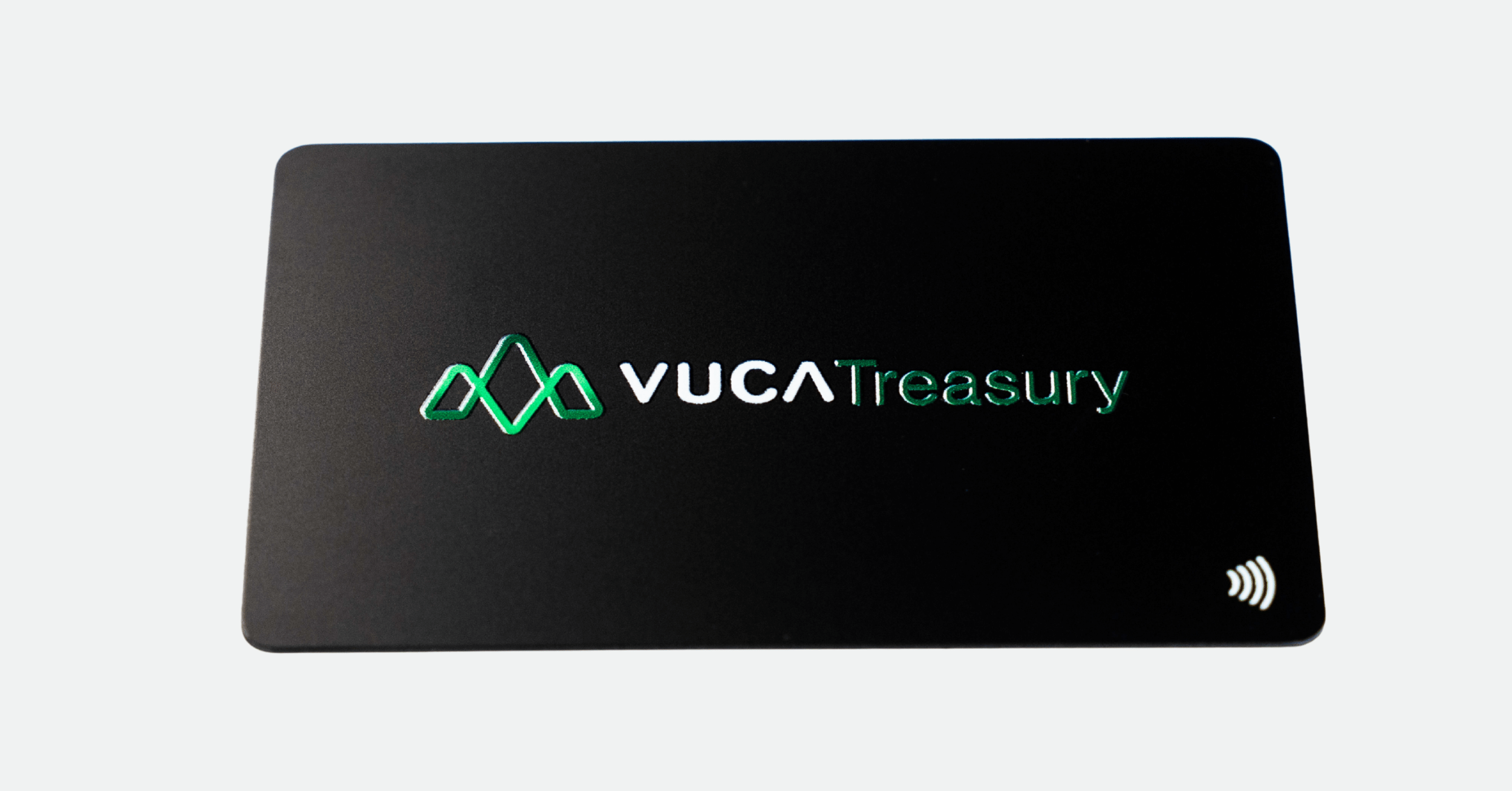
Our NFC PVC Digital Business Cards are the most cost-effective option for teams where volume is the priority. Durable, professional, available in a wide range of finishes, and priced to make bulk ordering practical for SMBs and agencies alike.
Metal cards carry a higher per-unit cost because of the materials and engraving process involved. Our NFC Metal Digital Business Cards are the right choice for senior leadership teams, premium client-facing roles, or situations where the card itself is part of the brand statement. But ordering fifty metal cards for a warehouse team makes no commercial sense. Match the material to the role and the context.
Mixing materials within a single order is a legitimate strategy. Senior staff on metal, the wider team on PVC. Both carry identical NFC and QR functionality. The impression differs. The cost is managed.
Strategy 3 - Factor in Design Costs Up Front
Design is where bulk orders either run smoothly or become complicated. Every card in a team order needs to carry consistent branding, but individual cards need personalised details.
The cleanest approach is to settle on a single card design template before ordering. Logo, colour scheme, layout, font — all agreed at the brand level. Individual names, titles, and contact details are then applied to each card within that template.
At TapiLink, our design team handles this process as part of the free design service included with every order. Send us the brand assets and the list of team members. We produce a proof for the full batch before anything goes to production. No individual design fees. No per-card artwork charges.
For agencies ordering on behalf of clients, this means the design work sits with us, not with your team. That saves hours on every client order.
Strategy 4 - Think About Profile Management Across a Team
This is the detail most buyers overlook until after the order arrives.
Each NFC card in a bulk order links to an individual digital profile. In a team of fifteen, that is fifteen separate profiles. Who sets them up? Who updates them when a team member changes their job title or phone number? What happens when someone leaves the business?
A supplier whose cards link to locked, static destinations creates an ongoing management headache. Every change requires a new card.
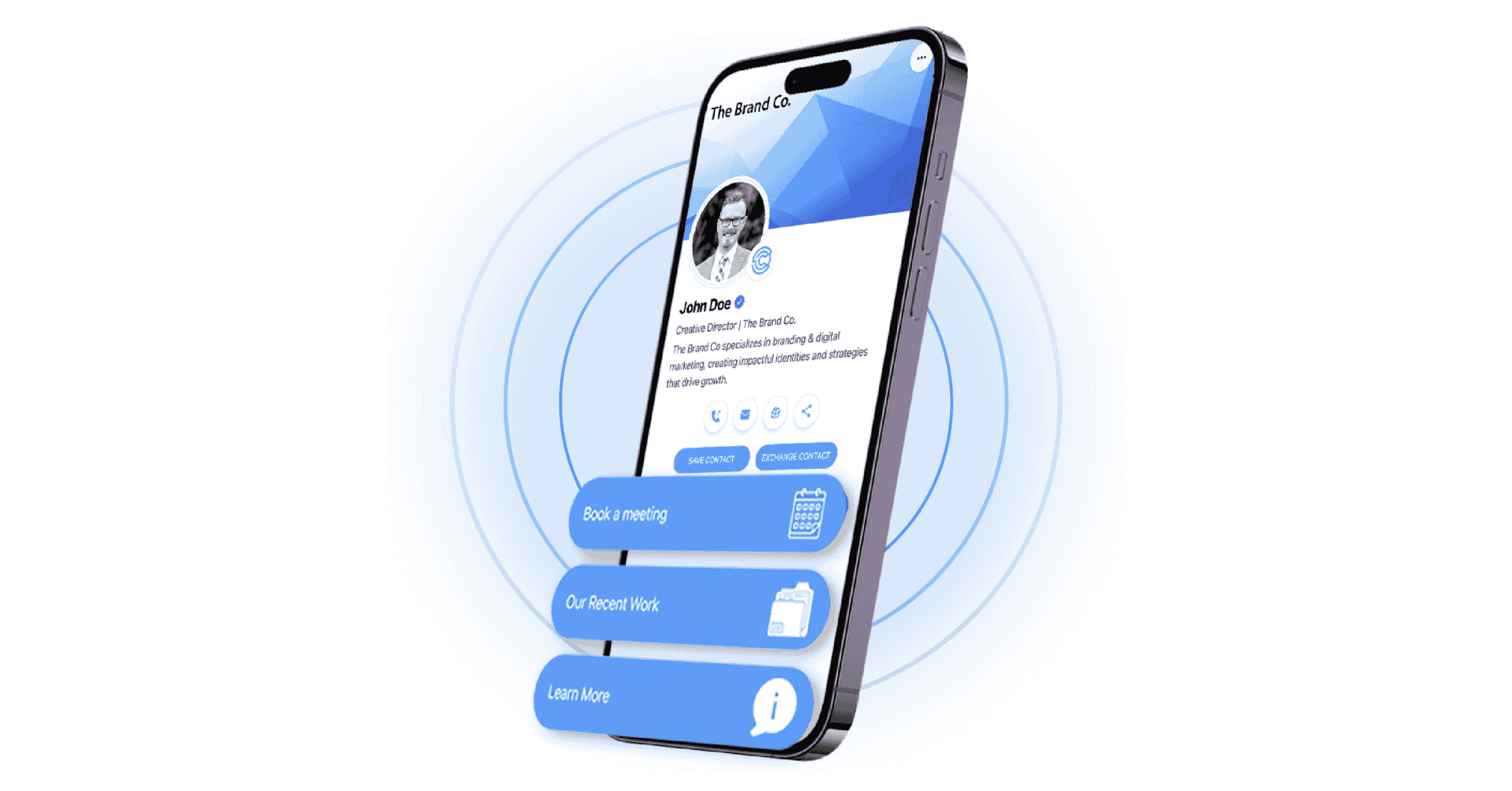
TapiLink's dynamic profile system means each team member manages their own profile through their individual dashboard. No IT involvement. No reordering. If someone changes their number, they update their profile in 30 seconds. Someone leaves, the card is deactivated. The profile management scales with the team without creating work for whoever placed the original order.
What to Watch Out for When Ordering in Bulk
The NFC card market includes suppliers who make bulk orders look attractive on the surface but hide costs in the detail. Two things to check before committing.
Hidden Subscription Fees
Ask directly: is there a monthly or annual fee to keep the profiles active? Some providers require a subscription per card, per user, or per account. For a team of twenty cards at £3 per month each, that is £720 per year, every year, on top of the purchase price.
TapiLink charges no subscription. The cards are a one-time purchase. Profile updates are free, unlimited, and permanent. There is no recurring cost.
Locked Profiles and Static Destinations
Some NFC cards link to a single fixed URL that cannot be changed after the card is produced. If the team member changes role, changes firm, or wants to update their profile, the card is obsolete. A new one needs ordering.
That is a paper card problem dressed up as a digital one. Dynamic profiles are the whole point of NFC cards. Any supplier not offering them is selling an inferior product regardless of how the price looks.
Which NFC Cards Work Best for Bulk Orders?
For most UK businesses ordering for teams, the answer is clear. PVC cards for volume, metal cards for senior roles, and a mix of both where the team has differentiated needs.
Our QR And NFC Review Cards are worth considering alongside business cards for customer-facing teams. A sales rep who hands a client an NFC business card at the end of a meeting is sharing contact details. That same rep with a review card in their pocket can also ask for a Google review on the way out. Both tools, different purposes, same tap-and-scan mechanism.
For professionals whose networking centres on LinkedIn, our LinkedIn Followers Card adds direct LinkedIn profile connection to the tap. For B2B teams where LinkedIn presence is a core part of the sales process, including this in a bulk order gives every team member a direct route to growing their connection count from every meeting.
The right bulk order is not always one product. Think about what each team member actually needs to achieve from a networking interaction, and build the order around that.
Conclusion
Bulk ordering NFC business cards is straightforward when you understand the pricing mechanics and ask the right questions before committing.
Order for the full team in one transaction, match the material to the role, get the design settled before production starts, and choose a supplier with dynamic profiles and no subscription fees. Those four decisions determine whether a bulk order delivers real value or creates ongoing cost and management headaches.
TapiLink works with UK businesses, marketing agencies, and resellers placing team orders of all sizes. Every bulk order includes free custom logo design, individual dynamic profiles for each team member, Cards ship within 2 working days of artwork approval, and no subscription fees. We handle the design and production. Your team handles the networking.
If you are ready to equip your team properly, get in touch through our contact page to discuss your requirements, or browse our full range of NFC PVC Digital Business Cards to start building your order.
Frequently Asked Questions
Question: How much do NFC business cards cost when ordered in bulk in the UK?
Answer: Per-unit costs decrease as order volume increases. The exact pricing depends on the card material, the quantity ordered, and whether design work is included. PVC NFC cards are the most cost-effective option for bulk team orders. Metal cards carry a higher per-unit cost. The most important question to ask any supplier is whether there are ongoing subscription fees per card, as these can significantly increase the total cost of ownership over time.
Question: What is the minimum order quantity for NFC business cards?
Answer: This varies by supplier. Some allow single-unit orders. Others require a minimum of five or ten. For bulk pricing to apply and for per-unit costs to drop meaningfully, ordering for a full team in a single transaction produces the best value. Ordering incrementally across multiple small transactions is the most expensive way to equip a team.
Question: Can each person in a team have their own individual profile on a bulk order?
Answer: Yes, with the right supplier. Each card in a bulk order should link to its own individual dynamic profile that the card owner controls themselves. This means each team member manages their own contact details, links, and social profiles independently. Avoid suppliers whose bulk orders link all cards to a single shared destination.
Question: Do marketing agencies get different pricing for NFC card bulk orders?
Answer: Most reputable NFC card suppliers offer agency or reseller pricing for larger volume orders. The key factors to discuss with a supplier are per-unit cost at your expected volume, turnaround time against client deadlines, design support included or billed separately, and whether white-label or co-branded options are available.
Question: What happens to the cards if a team member leaves the business?
Answer: With a dynamic profile system, the card owner's profile can be deactivated or reassigned without replacing the physical card. The card stops working as a live profile link the moment the profile is closed. For businesses with regular staff turnover, this is a significant advantage over static NFC cards, which would require reordering every time someone left.
Ready to revolutionize your networking approach? Explore TapiLink's range of premium NFC business cards and join the thousands of professionals who've already made the smart choice.