Designing wooden digital business cards for eco brands tips starts with one clear goal. Show sustainability instantly, without saying too much. If you run an eco brand, you already know the challenge. Your card must look natural, feel premium, and still work digitally. A poorly designed wooden card can feel gimmicky. A well designed one reinforces trust in seconds.
A wooden digital business card is a physical NFC enabled card made from materials like bamboo or walnut that shares your digital profile with a tap. Combined with Near Field Communication, it replaces paper cards and supports low waste branding. This matters. Research referenced by FSC shows consumers increasingly prefer brands that demonstrate responsible material choices, not just talk about them.
In this guide, you will learn practical design tips for wooden digital business cards, from material choice to layout and digital profile setup, so your card aligns with your eco values and converts better.
What Is a Wooden Digital Business Card
I usually explain it this way to first-time buyers. A wooden digital business card is not just a business card made of wood. It is a physical, eco-friendly card that shares your digital profile instantly with a tap. That combination is what makes it powerful for modern eco brands.
Wooden NFC business cards explained simply
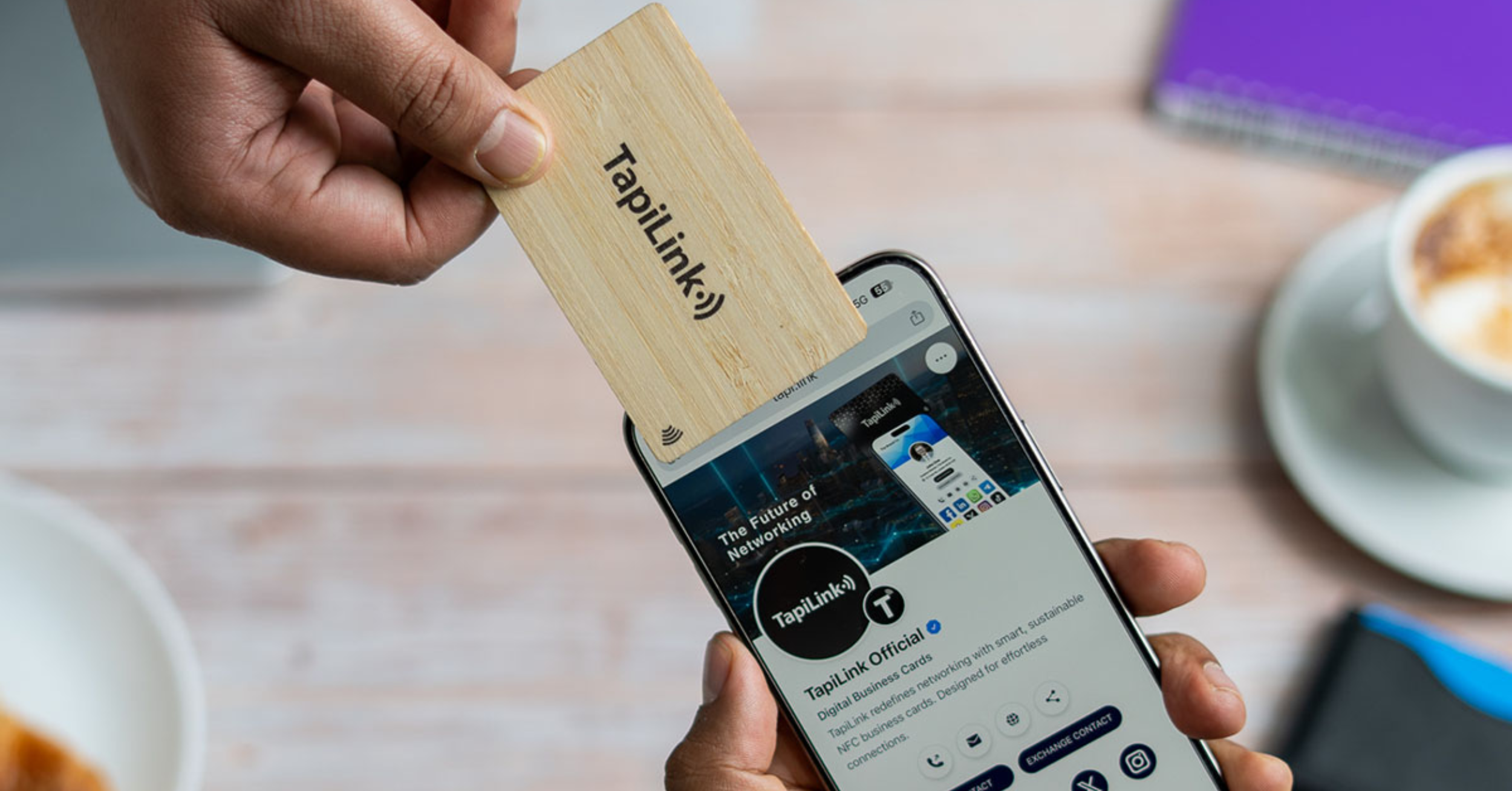
A wooden digital business card uses Near Field Communication embedded inside natural wood such as bamboo or walnut. When someone taps the card with their phone, it opens your digital profile. No apps. No typing. Just instant access to your contact details, website, or social links.
Wooden digital cards vs paper business cards
Paper cards feel traditional, but they have limits.
• They are often thrown away or lost.
• Details become outdated quickly.
• Reprinting creates waste.
Wooden digital cards solve these problems by being reusable, durable, and updateable. For eco brands, this aligns better with sustainability values and long-term use.
How NFC and QR codes work together
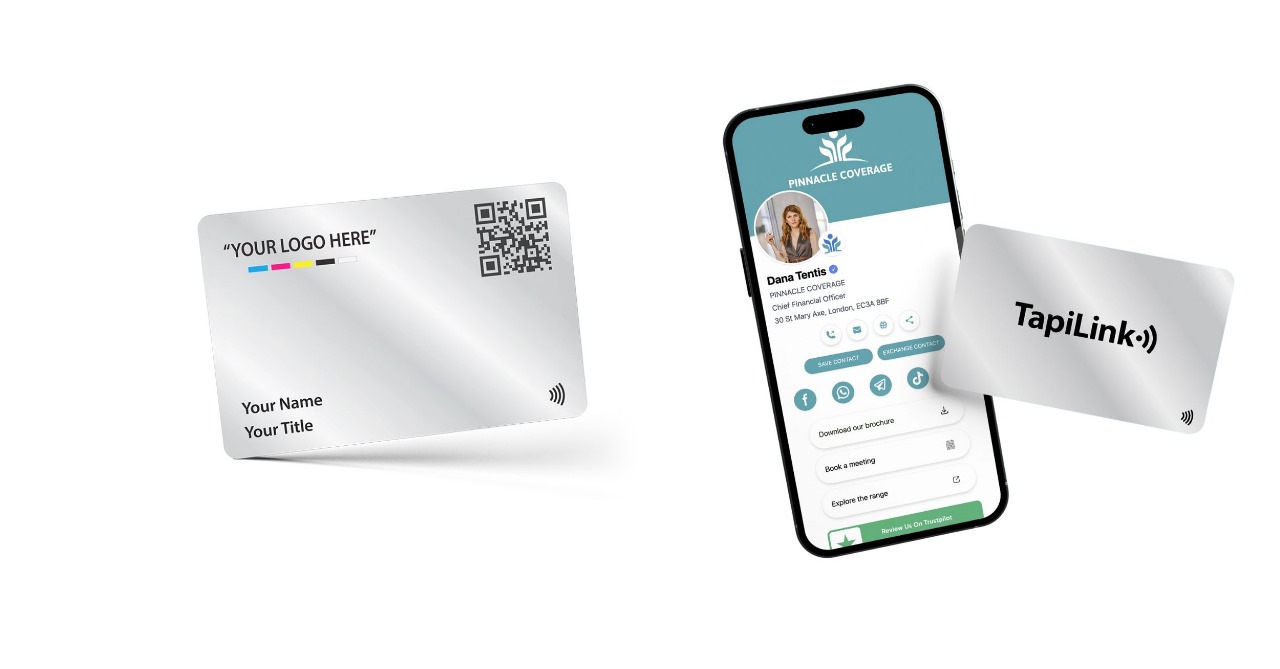
Most wooden digital cards combine NFC with a QR code.
• New phones tap using NFC.
• Older phones scan the QR code.
• Everyone gets access without friction.
A wooden digital business card blends natural materials with smart technology. Next, let’s look at why eco brands actively prefer this format.
Why Eco Brands Choose Wooden Digital Business Cards
I have seen this again and again. When someone holds a wooden card, they pause. That pause matters. First impressions form quickly, and texture, weight, and material all influence perception.
Sustainability perception and first impressions
Studies shared by Forest Stewardship Council show that consumers increasingly value responsibly sourced materials. A wooden card immediately signals care, intention, and alignment with environmental values.
For UK and EU eco brands, this physical signal supports trust before any conversation starts.
Reducing waste while increasing brand impact
Eco brands want less waste, not less visibility.
• One wooden card replaces hundreds of paper cards.
• Digital profiles update without reprinting.
• Fewer materials are used over time.
This reduces waste while keeping the brand present and memorable.
Trust signals for eco conscious customers
Customers who care about sustainability look for proof.
• Natural materials feel authentic.
• Reusable design shows responsibility.
• Digital sharing avoids excess printing.
Eco brands choose wooden digital business cards because they combine credibility with practicality. Next, let’s look at which type of wood best supports your brand message.
Choosing the Right Wood for Your Eco Brand
This is where design choices start shaping your brand story. I often tell founders that wood selection is not just a material decision. It is a messaging decision.
Bamboo vs hardwoods, what fits eco messaging
Bamboo and hardwoods communicate different values.
• Bamboo grows quickly and signals renewability.
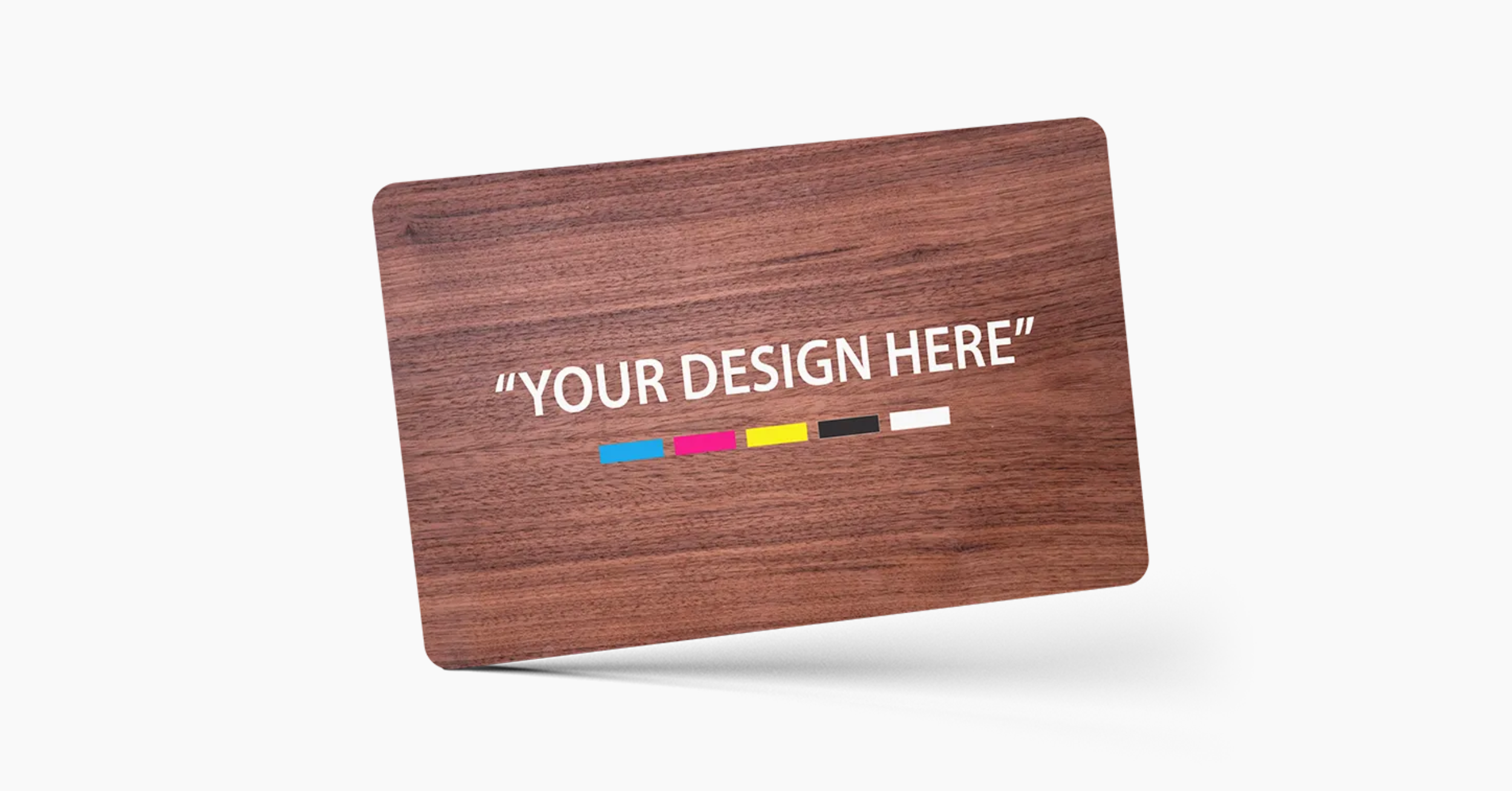
• Hardwoods like walnut or oak signal durability and premium quality.
For brands focused on fast renewability, bamboo often feels more aligned. For brands focused on longevity and craftsmanship, hardwoods can still fit when sourced responsibly.
Grain, tone, and durability considerations
Wood is not uniform, and that is part of its appeal.
• Visible grain adds character.
• Darker tones feel premium.
• Lighter tones feel minimal and modern.
Durability also matters. Cards used daily should resist wear while maintaining readability.
Engraved vs Printed Wooden Digital Business Cards
This is one of the most common questions I get from eco brand founders. Should the design be engraved into the wood, or printed on top of it. The right answer depends on your brand style, logo complexity, and how the card will be used.
When engraving works best for eco brands
Engraving removes material rather than adding ink. That matters for brands that value minimal impact and longevity.
• Best for simple logos, icons, or wordmarks
• Feels natural, tactile, and premium
• Ages well over time without fading
Engraved cards work especially well for eco brands that focus on craftsmanship, nature, and durability. They also photograph well in real life, which helps on social media and websites.
Readability, contrast, and longevity
Whichever method you choose, clarity matters.
• High contrast improves legibility
• Avoid thin lines that disappear in wood grain
• Test readability in different lighting
Printed designs may fade over time, while engraving remains consistent. Balance aesthetics with long-term use.
Engraving emphasizes authenticity, printing emphasizes brand precision. Next, let’s apply practical design tips that work on any wooden digital card.
Design Tips for Wooden Digital Business Cards
Designing on wood is different from designing on paper or plastic. The material already speaks, your job is to not overpower it. The best wooden digital business cards feel calm, clear, and intentional.
Minimal layouts that match eco branding
Less works better on wood.
• Use fewer elements, not more
• Let the grain act as part of the design
• Focus on one clear message
Eco brands benefit from restraint. A clean layout feels honest and confident, not empty.
Typography and logo placement on wood
Typography choices can make or break the design.
• Choose fonts with clear strokes
• Avoid ultra thin or decorative fonts
• Keep logo size readable at arm’s length
Center placement often works best, but some brands prefer top aligned layouts for a modern feel. Always test before final production.
Contrast and spacing for scan and tap clarity
Wood absorbs light differently than paper.
• Increase spacing between elements
• Ensure QR codes have enough contrast
• Keep NFC tap areas free of heavy graphics
A well spaced design improves usability. People should instantly know where to tap or scan.
Design guidance from Forest Stewardship Council also reminds brands to avoid over processing materials, which aligns with minimal design choices.
What to Include on the Digital Profile
I always remind eco brand founders that the wooden card is only half the experience. The digital profile is where interest turns into action. If this page feels cluttered or vague, the impact of the card drops fast.
Essential contact and brand links
Start with the basics, then stop.
• Name, role, and brand name
• Website or main landing page
• One or two social profiles that matter most
• Email or contact button
Avoid adding everything. Too many links slow people down and reduce engagement, especially on mobile.
Showing sustainability values without greenwashing
Eco brands need to be careful here. People want proof, not buzzwords.
• Share a short sustainability statement
• Mention materials or practices only if they are real
• Link to certifications or policies if available
Guidance from Forest Stewardship Council shows that clear, verifiable claims build more trust than broad promises. Keep it simple and honest.
Clear call to action for eco brands
Every profile needs one clear next step.
• “View our impact page”
• “See our products”
• “Contact us”
This helps visitors know exactly what to do next without thinking.
For analytics and behavior insights, many brands connect profiles to tools like Google Analytics to understand what links perform best.
Checklist for Designing Wooden Digital Business Cards for Eco Brands
Below is a practical, easy-to-follow checklist you can use before finalizing your wooden digital business card. I usually recommend brands save this section and review it once before production.
Pre-design checklist
• Clarify your eco brand message in one sentence
• Decide if bamboo or hardwood fits your sustainability story
• Choose engraving or print based on logo complexity
• Keep the layout minimal and readable
• Avoid thin lines and overly small text
Design and production checklist
• Test contrast between wood tone and design
• Ensure logo and text are clear in natural light
• Confirm NFC chip placement is not blocked by design
• Add a QR code as a backup for older phones
• Avoid unnecessary coatings or finishes
Digital profile checklist
• Add only essential contact and brand links
• Include a short and honest sustainability statement
• Use one clear call to action
• Check mobile loading speed
• Test the profile on different devices
If every box in this checklist is ticked, your wooden digital business card will look authentic, function smoothly, and reflect your eco values clearly.
Final Thoughts
Designing wooden digital business cards for eco brands is not about following trends. It is about alignment. When the material, design, and digital experience all support your sustainability values, the card becomes more than a networking tool. It becomes proof of intent. A well designed wooden digital card reduces waste, strengthens first impressions, and keeps your brand consistent long after the first meeting.
The key is balance. Choose the right wood. Keep the design minimal. Be honest with sustainability claims. And make sure the digital profile guides visitors to one clear action. Small, thoughtful choices create long-term impact.
If you are ready to apply these tips with a product built for eco-conscious brands, Tapilink offers wooden digital business cards designed to combine natural materials with smart NFC technology. Visit Tapilink to create a card that reflects your values and works in the real world.
Ready to revolutionize your networking approach? Explore TapiLink's range of premium NFC business cards and join the thousands of professionals who've already made the smart choice.