Wooden business cards intrigue many professionals because they promise a premium look and a sustainable alternative to paper. Are they strong enough for daily use? In most cases, yes. High‑quality wood cards resist tearing and creasing and make a memorable, eco‑friendly impression, especially when combined with NFC technology.
Wood business cards are durable enough for everyday networking because they resist tearing, creasing and soft edge damage better than paper cards. They are practical for professionals who want a memorable, premium and eco‑conscious card, especially when combined with NFC technology for instant digital contact sharing.
Key takeaways
- Strength: Hardwoods such as walnut, cherry or bamboo are tough and resist tearing and creasing.
- Sustainability: Wood is renewable and biodegradable, reducing waste compared with paper and plastic cards.
- Standout factor: Wooden cards feel substantial and are less likely to be thrown away; with NFC or QR codes they link easily to digital profiles.
- Caveats: Very thin cards can snap if bent and untreated wood can swell if soaked.
What Are Wood Business Cards?
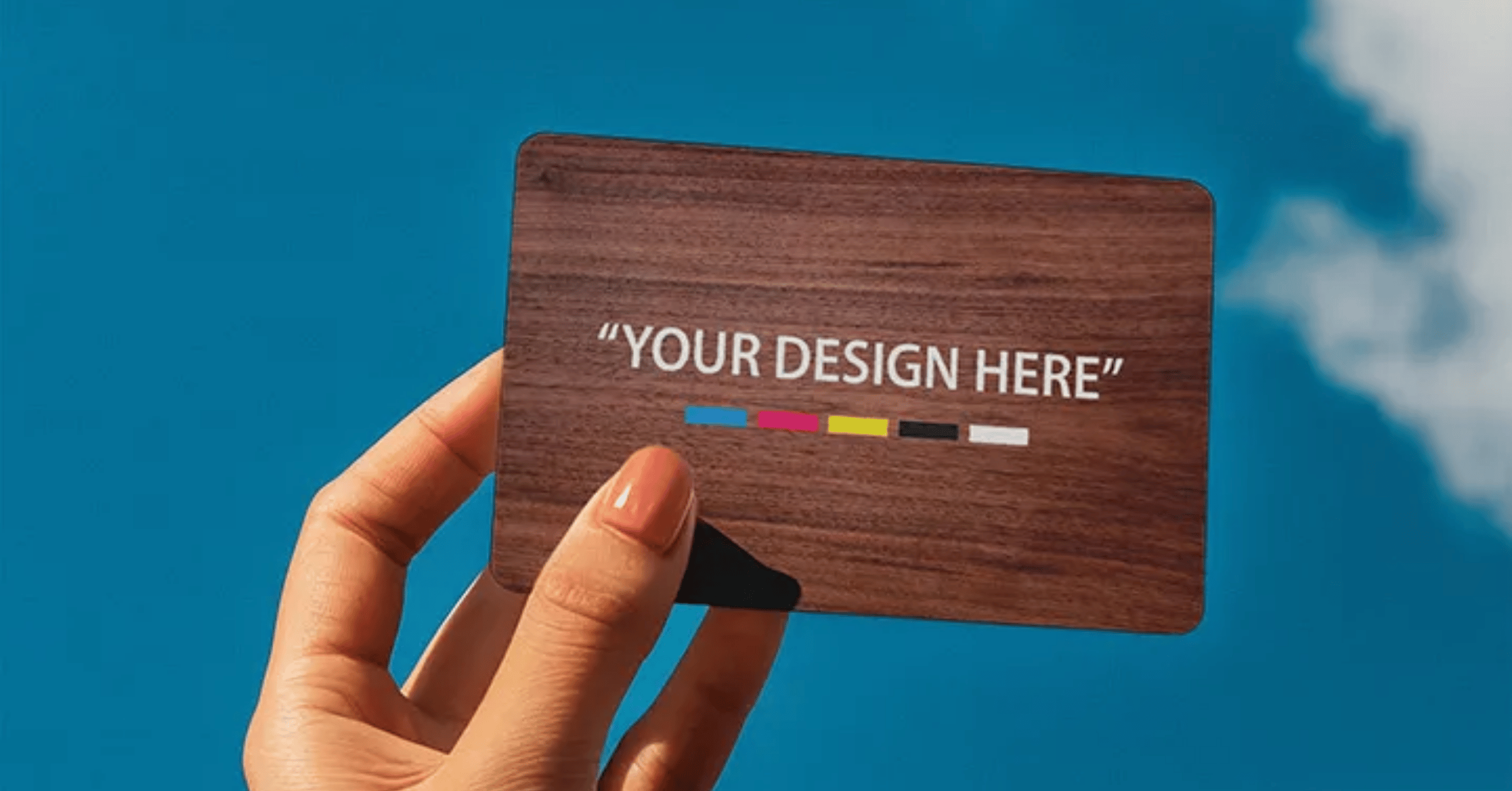
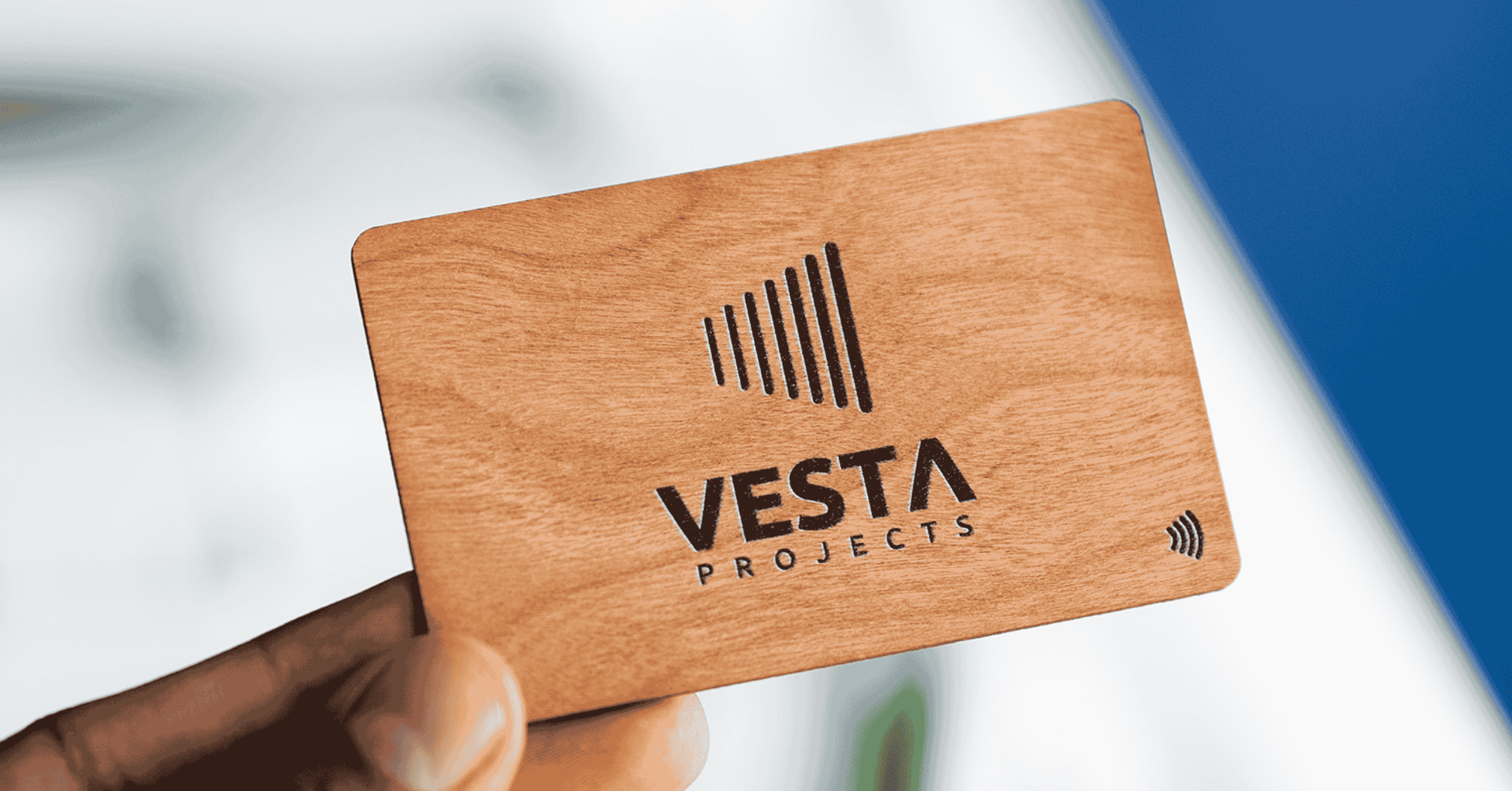
Wood business cards are thin slices of real wood shaped like cards. They may be printed, laser‑engraved or embedded with an NFC chip. Each card features unique grain patterns and texture. Common species include bamboo, cherry, walnut, maple and beech. Because wood is rigid, cards are usually about 0.5–1 mm thick. Some premium cards are layered to add strength while keeping weight low. Compared with plastic or metal, wood feels warm and organic. In the hand, a wooden card conjures images of craftsmanship and sustainability rather than the disposability of paper.
Are Wood Business Cards Durable?
Wood vs paper
Paper cards tear, crease and quickly become dog‑eared, with billions thrown away each year. Wooden cards are described as "incredibly durable". They maintain crisp edges and shape over years of normal use. Bamboo is lightweight but strong, while walnut and cherry provide a dense, premium feel.
Do they snap easily?
Wood flexes slightly but will break if bent sharply. Very thin stock can be brittle. Choose a thickness of at least 0.6 mm and carry cards in a case to avoid breakage. Remember that wood will never fold like paper; treat it like a miniature piece of furniture.
Are they water‑resistant?
Wood handles light moisture better than paper, but it is still organic. Protective coatings improve water resistance. Nevertheless, prolonged exposure to moisture can cause swelling or staining, so keep cards dry and avoid leaving them in pockets during a rainstorm.
Do designs wear off?
Laser‑engraved designs are etched into the surface and last for years. Printed ink may fade slowly but the card generally ages with character. Many professionals view minor wear marks as a positive; the patina reminds recipients that the card is made from a natural material.
Are Wood Business Cards Practical?
Networking and events
Wood digital business cards stand out at networking events. Their weight and texture signal quality, so recipients are more likely to keep them. Because they cost more, they are often handed out selectively to create meaningful connections. This encourages you to approach contacts thoughtfully, focusing on quality interactions rather than quantity.
Digital contact sharing
Embedded NFC chips or printed QR codes bridge physical and digital networking. With one tap, a recipient can open your digital profile, website, portfolio or calendar. The chip can be reprogrammed, allowing you to update contact details without reprinting the card. This feature is especially useful if you change jobs or phone numbers.
Brand perception
Material choice conveys brand values. Wood suggests sustainability, craftsmanship and premium service. It suits industries like design, real estate, hospitality and eco‑friendly products. People often show wooden cards to others, amplifying your brand. When you invest in a card that looks and feels different, you signal that you invest in relationships and details.
Environmental Impact and Cost Considerations
The environmental argument for wooden cards goes beyond marketing. Traditional paper cards contribute to deforestation and landfill waste; one source estimates that tens of billions of paper cards are printed annually, most of which are discarded after a brief exchange. Wooden cards are made from renewable resources, and many suppliers use sustainably sourced or reclaimed wood. Moreover, because wood cards are durable and often reused, you need far fewer units over time. This reduces the carbon footprint associated with production and shipping.
Cost is a practical concern. Wooden cards cost more per unit, especially when adding NFC. However, the price difference narrows when you account for longevity and reuse. A professional might go through hundreds of paper cards each year, while a single wooden NFC card can serve for hundreds of interactions. The intangible benefits—perceived professionalism and recall—often justify the investment.
Examples of Successful Use
Imagine a freelance graphic designer handing out a cherry wood card. The recipient feels the weight, notices the engraved logo and, when tapping the card to their phone, opens a digital portfolio. The unique experience stays in memory and leads to a call back. Or consider an estate agent who uses a walnut NFC card to link clients directly to virtual tours. Clients appreciate the tactile richness and the convenience of instant property information. In both scenarios, wooden cards transform a routine exchange into a conversation starter.
Who Should Use Wooden Business Cards?
Wooden cards work best for professionals who need to make a strong first impression and align with sustainability or craftsmanship:
- Designers and creatives: Unique grain patterns accentuate artistry and spark conversation.
- Estate agents and property consultants: The warmth of wood conveys trust and stability.
- Luxury and boutique brands: Wooden cards reinforce exclusivity and craftsmanship, elevating brand perception.
- Eco‑conscious businesses: Organic products, sustainable fashion and zero‑waste stores signal values through biodegradable cards.
- Coaches, consultants and hospitality: Premium materials reflect expertise; the NFC link facilitates bookings or portfolio access.
- Tradespeople and artisans: Wood resonates with carpentry or handmade work, connecting the card to the craft.
When Are Wood Business Cards Not the Best Choice?
Wooden cards are not ideal if you need thousands of cheap, disposable cards. Paper may be better for mass marketing or if your card could get wet or heavily bent. Rigid wood is also unsuitable for extremely thin wallets, and photographic designs print better on smooth paper.
How to Make Wood Business Cards Last Longer
- Use a case: Protect the cards from pressure and scratches.
- Keep them dry: Wipe off moisture immediately; avoid leaving them in damp pockets.
- Avoid bending: Do not sit on your wallet if it contains wood cards.
- Select quality wood: Hardwoods such as walnut, cherry and bamboo provide strength.
- Go digital: With NFC, a single card can be reused hundreds of times, reducing the number of physical cards you carry.
Are Wooden NFC Business Cards Worth It?
Wooden NFC cards cost more, but they provide long‑term value. Because the chip links to a dynamic profile, you print fewer cards and update your information online. The convenience of tap‑to‑share increases conversions. For frequent networkers, the initial investment often pays for itself through reuse and brand impact. Consider the intangible benefits—client impressions, environmental statements and the ease of updating details.
Why Choose Tapilink Wooden Digital Business Cards?
Tapilink is a UK provider of NFC digital business cards. It offers wooden options in bamboo, cherry and walnut, each with natural grain and warm tones. The embedded NFC chip links to a customisable profile where you can display contact details, social links and portfolios. You can edit the profile anytime, making the card a reusable key rather than a disposable product. Tapilink plants a tree for each wooden card sold, adding environmental benefit. Fast UK shipping and secure hosting make the service convenient for local professionals.
Final Verdict
Wooden business cards are durable and practical when made from quality hardwoods and handled responsibly. They resist tearing and creasing better than paper. Their practicality is amplified by NFC technology, which allows digital updates and reduces reprints. For professionals in design, luxury, real estate or eco‑focused sectors, wooden NFC cards offer a compelling mix of longevity, practicality and sustainability. The higher upfront cost is often offset by the reduction in reprints and the positive impression they make on potential clients.
Frequently Asked Questions
1. Are wood business cards more durable than paper cards?
Answer: Yes. Wooden cards do not tear or crease like paper and maintain their shape for longer.
2. Do wooden business cards break easily?
Answer: Quality wood is sturdy, but very thin stock can snap if bent sharply. Choose a reasonable thickness and use a protective case.
3. Can wooden business cards get wet?
Answer: They handle light moisture better than paper but can warp if soaked. Some suppliers apply protective coatings.
4. Are wood business cards eco‑friendly?
Answer: Yes. Wood is renewable and biodegradable, reducing reliance on plastic and frequent paper reprints.
5. Are wooden business cards practical for daily use?
Answer: They are practical for professionals seeking a premium feel and digital integration. With NFC or QR codes, you update details online. Use them selectively due to cost.
6. Can wood business cards include NFC?
Answer: Yes. The embedded chip opens a digital profile when tapped with a smartphone.
7. Are wooden NFC business cards reusable?
Answer: Yes. You can update the linked profile anytime, so one or two cards suffice for many connections.
8. Are wood business cards expensive?
Answer: They cost more than paper, but their durability and reusability may offset the initial cost.
9. What type of wood is best for business cards?
Answer: Hardwoods like walnut, cherry and bamboo provide strength and attractive grain.
10. Are wood business cards suitable for UK businesses?
Answer: Yes. UK providers such as Tapilink offer wooden cards that align with British networking culture and sustainability trends.
Ready to revolutionize your networking approach? Explore TapiLink's range of premium NFC business cards and join the thousands of professionals who've already made the smart choice.