What is a pet tag A pet tag is a small identification tag attached to your pet’s collar that displays contact details so a lost dog or cat can be returned quickly. If your pet slips out during a walk, escapes the garden, or loses its way in a busy area, a pet tag gives finders an instant way to reach you.
Here is the part many owners underestimate. Studies from animal welfare organizations show that pets with visible ID are far more likely to be reunited with their owners than those without it. A pet tag works immediately. Anyone can read it. No scanner, app, or login is needed. This is why tags remain essential, even when pets are microchipped.
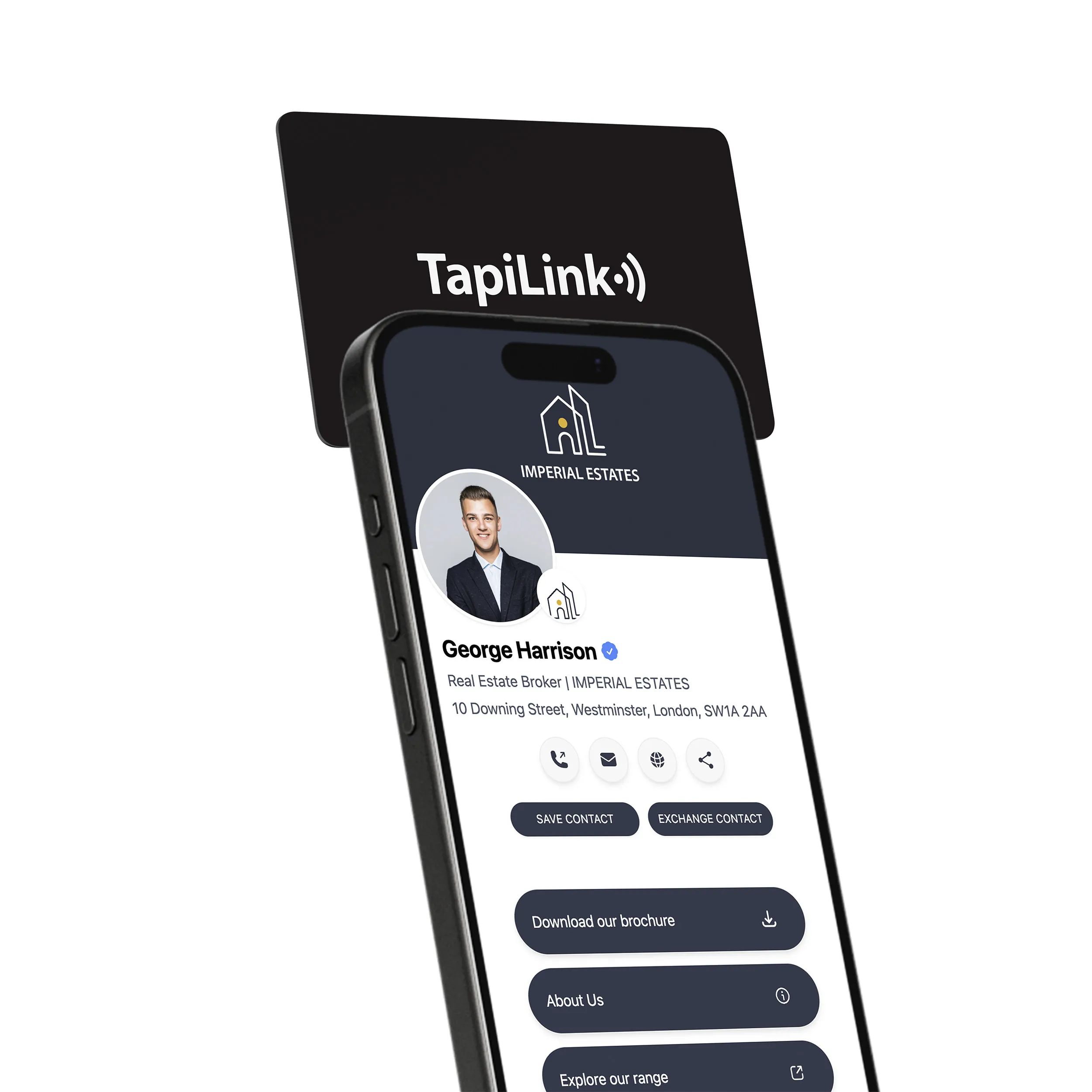
Today’s pet tags go beyond simple engraved discs. Owners now choose from engraved metal tags, silent slide on tags, and digital options using QR codes or NFC technology. These tools can store multiple phone numbers, medical notes, and location details, which is helpful for pets that travel or live in urban areas across the UK and US.
In this guide, we break down what a pet tag is and share 7 practical tips every owner should know to choose the right tag, avoid common mistakes, and keep pets safer every day.
What Is a Pet Tag and How Does It Work?
Have you ever thought about what happens in the first five minutes after a pet gets lost? In most cases, that short window decides whether a pet gets home fast or ends up in a shelter. This is where a pet tag plays a critical role.
Simple Definition Of A Pet Tag
A pet tag is a small identification tag attached to a dog’s or cat’s collar that displays owner contact details. It allows anyone who finds a lost pet to reach the owner immediately, without tools or technology.
Where A Pet Tag Is Worn And What It Does
Pet tags are usually worn on:
• A collar, which is the most visible option
• A harness, often used for dogs that pull or escape collars
Their job is simple but powerful. They provide instant identification. Unlike microchips, which require a scanner and database lookup, a pet tag works through basic human action. Someone sees the tag, reads the number, and calls.
According to guidance from the American Kennel Club, visible ID is one of the fastest ways to reunite lost pets with owners. This applies across the UK, US, and other regions where shelters prioritize collar identification.
If you want deeper context, see our internal guide: Pet Tag vs Microchip: Do You Need Both?
Why Pet Tags Are Still Essential for Pet Safety
I have spoken with pet owners who believed indoor pets or microchips alone were enough. Many of them changed their minds after a close call. Pets slip doors, collars break, and fear makes animals run farther than expected.
How Pet Tags Help Lost Pets Return Faster
Pet tags reduce recovery time because they rely on immediate human response. Research shared by animal welfare groups like the Humane Society shows that pets with visible identification are far more likely to be reunited with their owners.
Here is why tags work so well:
• No scanner or app is needed
• Anyone can help, not just shelters or vets
• Contact happens within minutes, not hours
This speed matters. The longer a pet is missing, the higher the risk of injury, traffic accidents, or shelter intake.
Pet Tags Vs No Identification
From a shelter perspective, pets without visible ID often enter the system as strays. Staff must wait for microchip scans, and if records are outdated, reunification becomes difficult. In contrast, a readable pet tag can prevent shelter admission entirely.
Veterinary associations consistently recommend using visible ID alongside microchips for layered protection.
A pet tag is not old fashioned. It is still one of the most effective, low effort tools for keeping pets safe. Up next, we will cover exactly what information should be on a pet tag so it works when it matters most.
Tip 1-3: What Information Should Be on a Pet Tag
When we talk with pet owners, the most common issue we see is not the lack of a tag, but the wrong information on it. A pet tag only works if the details are clear, current, and easy to read in a stressful moment.
Tip 1. Essential Contact Details Every Tag Needs
Your pet tag should always include:
• Primary phone number. Use a mobile number that you answer quickly.
• Backup contact. A second number helps if you are unavailable or traveling.
These two details alone can solve most lost pet situations within minutes.
Tip 2. Optional But Helpful Details
Depending on space and lifestyle, these extras can improve recovery:
• Pet name. This can help calm your pet and encourage trust.
• Medical note. Short phrases like “Needs medication” or “Diabetic” can be life saving.
• “Microchipped” label. This alerts vets and shelters to scan for permanent ID.
Tip 3. What Not To Include For Privacy
Avoid listing your full home address. It exposes personal information and is rarely needed. A phone call is faster and safer.
Example text layouts for small and large tags
Small tag:
Max
Call: 555-123-4567
Large tag:
Max
Call: 555-123-4567
Alt: 555-987-6543
Microchipped
Tip 4-5: Types of Pet Tags and Which One to Choose
Not all pet tags serve the same purpose. Choosing the right type depends on visibility, noise tolerance, and how often your pet is on the move.
Tip 4. Engraved Pet Id Tags
Engraved tags are the most common and widely trusted option.
• Durability. Stainless steel and aluminum resist wear.
• Visibility. Easy for anyone to read at a glance.
• No setup required. Works immediately.
They are ideal for everyday use and remain the first line of identification.
Tip 5. Silent, Qr, And Smart Pet Tags
Modern alternatives add flexibility.
• Slide on silent tags, sit flat on the collar and reduce noise. They work well for nervous pets or indoor cats.
• QR code tags link to a digital profile with multiple contacts and medical notes.
• NFC based tags allow instant access to details with a smartphone tap, no app required.
When digital pet tags make more sense
Digital tags are useful if:
• You travel frequently with your pet.
• You live in busy urban areas.
• Multiple caregivers handle the same pet.
Many owners now combine engraved tags with digital tags for added coverage.
Tip 6: Pet Tag vs Microchip, Do You Need Both?
This is one of the most common questions we hear. The short answer is yes, most pets benefit from having both.
Key Differences Between Pet Tags And Microchips
• Pet tags are visible and work instantly. Anyone can read them.
• Microchips are permanent but invisible. They require a scanner and up to date registration.
A microchip is useless if contact details are outdated. A pet tag fills that gap.
Why Vets Recommend Using Both Together
Veterinary and animal welfare organizations often describe this as layered protection. A tag handles fast recovery in public spaces. A microchip acts as backup if the collar comes off.
Using both increases the chance of reunion at every stage, from street pickup to shelter intake.
Tip 7: Safety, Comfort, and Durability Checks
A good pet tag should protect your pet, not create new risks.
Noise, Snag Risks, And Collar Safety
• Use breakaway collars for cats to prevent choking.
• Choose lightweight tags for small pets.
• Avoid oversized rings that can snag on fences or crates.
If noise causes stress, consider silent or slide on options.
How Often To Check Or Replace A Pet Tag
Make it a habit to:
• Inspect tags every few months for fading or cracks.
• Update details after moving or changing phone numbers.
• Replace tags that are no longer readable.
A pet tag only works if it is clear and current.
With these seven tips in mind, you are now ready to choose a pet tag that truly protects your pet in real world situations.
Common Pet Tag Mistakes Owners Should Avoid
Even caring pet owners make small mistakes that reduce how effective a pet tag can be. Fixing these issues can dramatically improve the chances of a fast reunion.
Outdated contact information
The most common mistake is forgetting to update phone numbers. People change numbers, move cities, or switch carriers, but the tag stays the same. A tag with old details delays recovery and often leads pets to shelters unnecessarily.
Tags that are unreadable or too small
Tiny text, faded engraving, or poor contrast makes tags hard to read in real situations. If someone cannot read the number quickly, they may give up or move on. Tags should always be clear, legible, and sized for the pet.
Relying only on microchips
Microchips are valuable, but they are invisible and require scanners and correct registration. Without a visible tag, immediate help is often missed.
Avoiding these mistakes keeps your pet’s identification simple, visible, and effective.
Final Thought
A pet tag may be small, but it plays a powerful role in keeping pets safe. In this guide, we explained what a pet tag is, why it still matters, what information to include, which types work best, and how to avoid common mistakes. These steps solve the main problem pet owners face, how to make sure a lost pet can be returned quickly without confusion, delays, or reliance on technology alone. By using clear contact details, choosing the right tag type, and pairing tags with microchips, you give your pet the best chance of getting home fast.
For pet owners who want modern, update friendly identification solutions, Tapilink offers smart pet tag options designed to fit today’s active lifestyles.
Frequently Asked Questions About Pet Tags
Question: Should indoor pets wear a pet tag?
Answer: Yes. Indoor pets escape more often than people expect. Doors are left open, windows break, or pets slip out during emergencies. When an indoor pet gets lost, they are usually disoriented and unable to find their way home. A visible pet tag gives anyone who finds them an immediate way to contact you, even before a shelter or vet is involved.
Question: Can a pet tag replace a microchip?
Answer: No. A pet tag and a microchip serve different purposes. A pet tag provides instant, visible identification that works anywhere. A microchip is permanent but invisible and only works if scanned and properly registered. Most veterinarians recommend using both together for layered protection and the highest chance of reunion.
Question: How much does a good pet tag cost?
Answer: A basic engraved pet tag usually costs between a small one-time amount and slightly more for premium materials. Digital or smart pet tags may cost more upfront, but they often allow updates without replacing the tag. The cost is minor compared to the stress and expense of a lost pet.
Question: Are smart pet tags safe and reliable?
Answer: Yes, when used correctly. QR and NFC based pet tags are safe and do not track pets. They simply share information when scanned or tapped. They work best when paired with a visible tag and regularly updated contact details.


 09Sep
09Sep