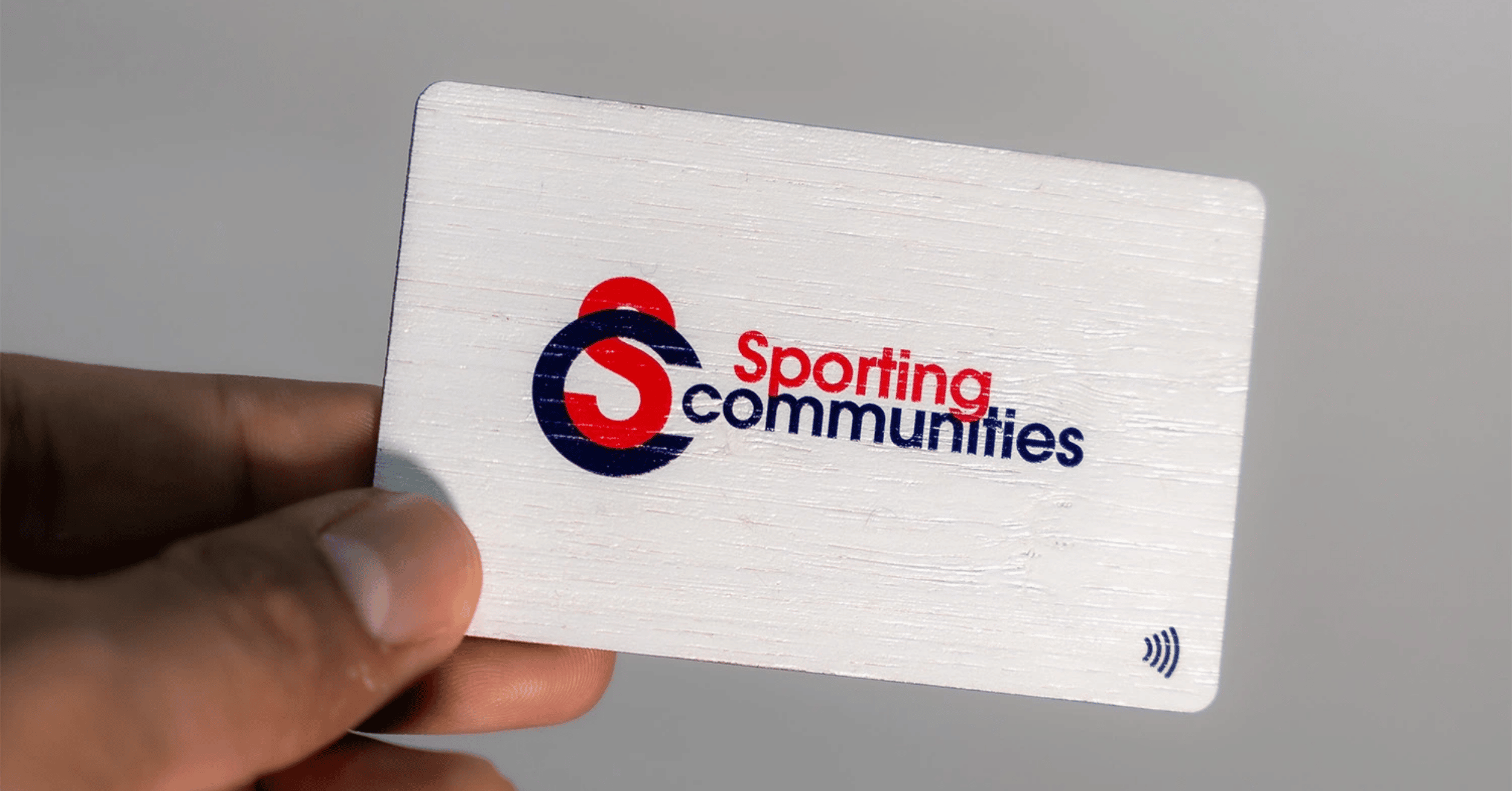
A bamboo NFC business card is a smart card made from fast-growing bamboo with an NFC chip inside, so a single tap shares your contact details. If you are weighing up bamboo NFC business cards, the short version is this: bamboo gives you a renewable material, a lighter feel than most hardwoods, and a soft, pale grain that looks understated and natural in the hand.
Below we explain what makes bamboo different as a card material, how its renewability stacks up, how it compares to a standard wood card, and who it suits best. Bamboo sits in our natural materials family, so it helps to see it alongside the wider range in wood NFC business cards explained.
What is a bamboo NFC business card?
A bamboo NFC business card is a tappable digital business card with a body made from bamboo rather than metal, plastic or hardwood. The NFC chip and antenna sit inside the bamboo, and the card links to a digital profile you can update for free at any time. There is no app needed for the person receiving your details, and you can pair the tap with a QR code for older phones.
The bamboo itself is the differentiator. As a bamboo smart card, it carries the same instant-sharing function as any of our cards, but with a grass-based material that feels and ages differently to wood or plastic.
Why is bamboo a renewable, sustainable material?
Bamboo is one of the fastest-growing plants on earth, and that is the heart of its appeal as a sustainable wood card alternative. It is technically a grass, not a timber, which means it regrows from the same root system after harvesting rather than needing replanting. That regrowth cycle is far quicker than the decades a hardwood tree takes to mature.
For a professional who wants their card to reflect green values, this matters. A bamboo card lets you carry your brand on a renewable material while still benefiting from a reusable, updatable digital profile, so you are not reprinting and discarding cards every time your details change. If your priority is the lowest possible end-of-life footprint rather than renewability specifically, our fully eco range may suit you better, which we cover in eco biodegradable NFC business cards.
Bamboo vs wood NFC cards: what is the difference?
Bamboo and wood are often grouped together, but they are not the same material. The bamboo vs wood card decision usually comes down to weight, grain, renewability and the type of impression you want your card to make.
A bamboo NFC card is made from fast-growing bamboo, which is technically a grass rather than hardwood timber. This gives it a lighter feel in the hand, with a fine, pale and more uniform grain. It suits brands that want a clean, natural and eco-minded look without the heavier feel of a traditional wood card.
A wood NFC card has a denser, heavier feel and usually shows more variation in the grain. The finish can look darker, richer and more characterful, which some people prefer when they want a more premium natural card.
Neither option is better in absolute terms. Bamboo is best if you want a lightweight, clean and renewable-looking card. Wood is better if you want more weight, deeper grain and a more traditional premium feel. If a heavier, more characterful card appeals, compare the options in wood NFC business cards explained before deciding.
What does a bamboo card feel like in the hand?
A bamboo card feels light, smooth and warm compared to metal or plastic. Because bamboo is less dense than most hardwoods, the card has a noticeably lighter weight, which some people love and others find less premium than a heavier card.
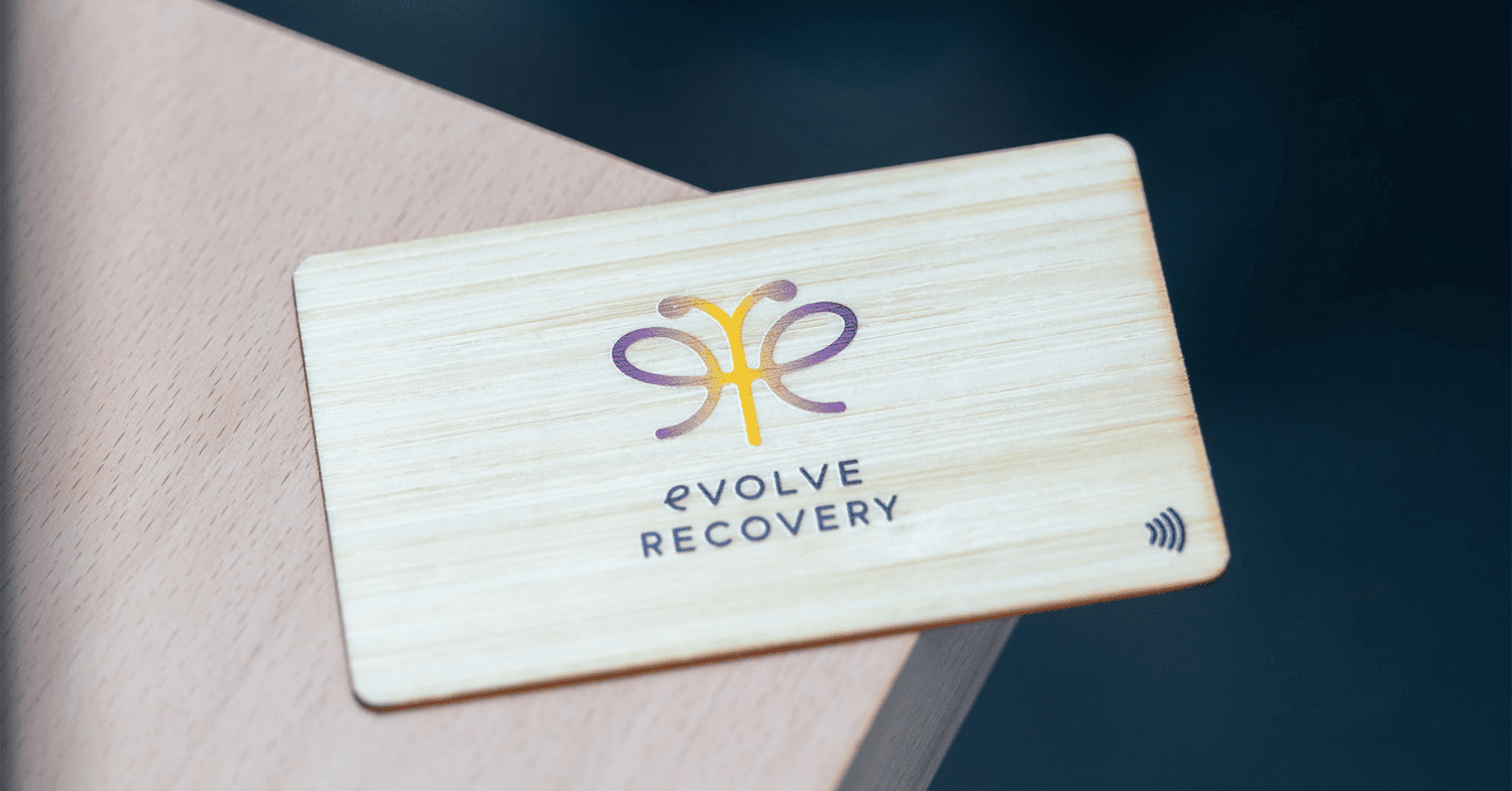
The grain is fine and even, with a pale, natural tone. That makes bamboo a good match for clean, minimal branding where you want the material itself to do the talking rather than a busy print. Engraving tends to sit clearly against the light surface.
Who should choose a bamboo NFC business card?
Bamboo suits professionals and businesses whose brand leans on natural, sustainable or wellness values. Think eco-conscious consultants, wellness and outdoor brands, sustainable product makers, and anyone who wants their card to signal environmental care without saying a word.
It is also a strong pick if you simply prefer a lighter card with an understated, organic look. If your brand calls for a bolder or more luxurious statement, a metal card may serve you better, and you can see how the materials differ across the full range in digital business card materials.
Order a bamboo NFC card
At Tapilink, if a renewable, lightweight and naturally finished card fits your brand, our Wood / Eco Digital Business Cards include bamboo as a natural choice. You can add your logo through our free design service and shop bamboo cards that share your details with one tap, with unlimited free profile updates for life.
For specific finishes, choose the White Bamboo Digital Business Card for a clean pale look, or the Original Bamboo Digital Business Card for a warmer natural bamboo finish.
Frequently Asked Questions
Q1. Are bamboo NFC business cards eco-friendly?
Answer: Bamboo is a fast-growing, renewable grass that regrows quickly after harvesting, which makes a bamboo card a more sustainable choice than many materials. The card is also reusable and updatable, so you avoid reprinting every time your details change. For the lowest end-of-life footprint specifically, our fully biodegradable range may suit you better.
Q2. What is the difference between bamboo and wood NFC cards?
Answer: Bamboo is a fast-growing grass, while wood cards use hardwood timber. Bamboo is lighter with a fine, pale, uniform grain, whereas wood is heavier with more character and variation. The choice comes down to whether you want a light, clean card or a heavier, more premium natural feel.
Q3. Do bamboo NFC cards work as well as plastic or metal ones?
Answer: Yes. A bamboo card carries the same NFC chip and digital profile as any of our cards, so it shares your details with one tap and needs no app for the recipient. The difference is the material and feel, not the function.
Q4. Are bamboo business cards durable?
Answer: Bamboo is a sturdy natural material suited to everyday carrying, though like any wood-based card it should be kept away from prolonged moisture. If long-term toughness is your main concern, a metal card will be the most hard-wearing option in the range.
Q5. Can I add my logo to a bamboo NFC card?
Answer: Yes. You can add your logo through our free custom design service, and the pale bamboo surface shows engraving and branding clearly. This makes bamboo a good fit for clean, minimal designs.
Ready to revolutionize your networking approach? Explore TapiLink's range of premium NFC business cards and join the thousands of professionals who've already made the smart choice.