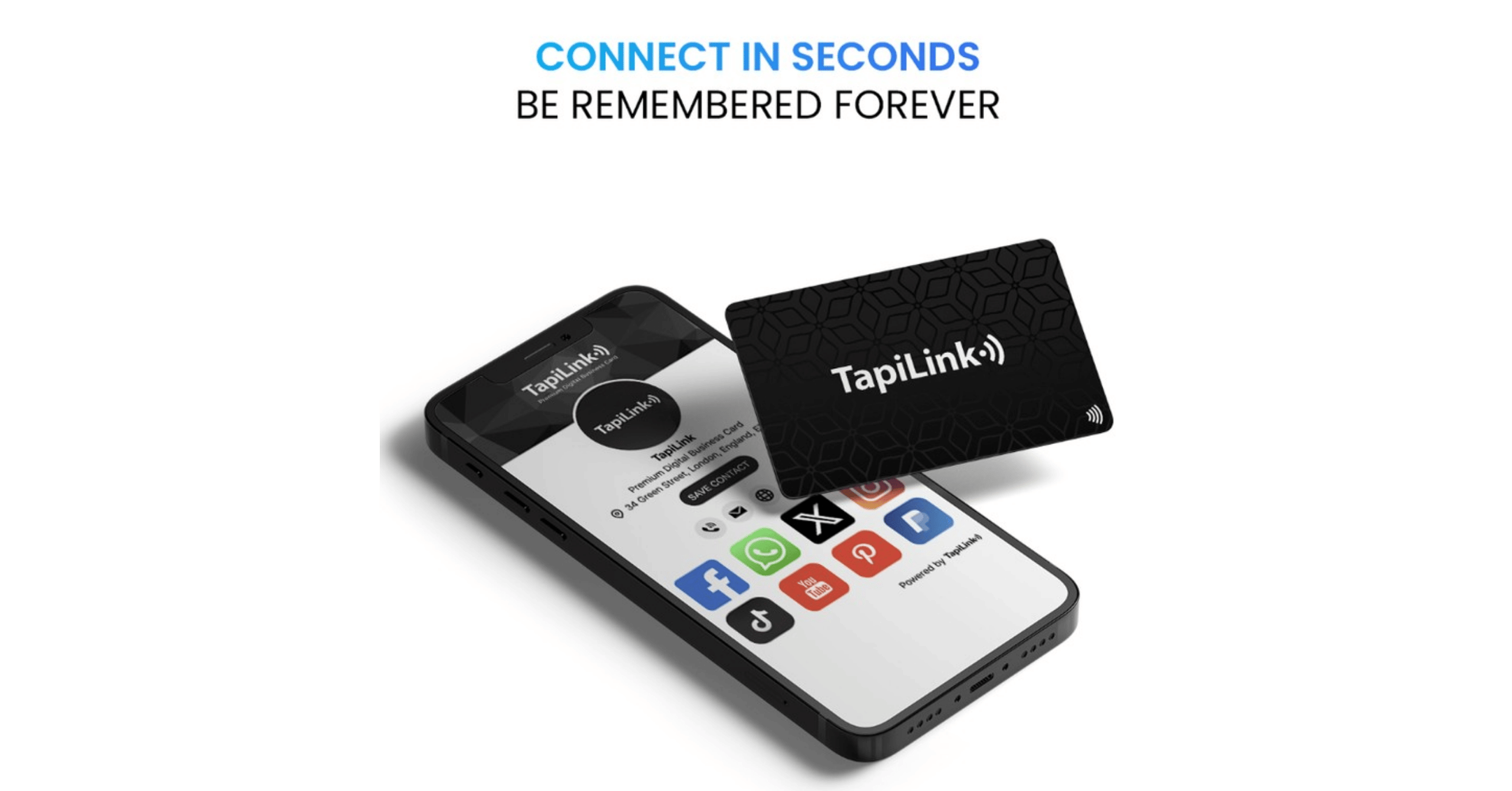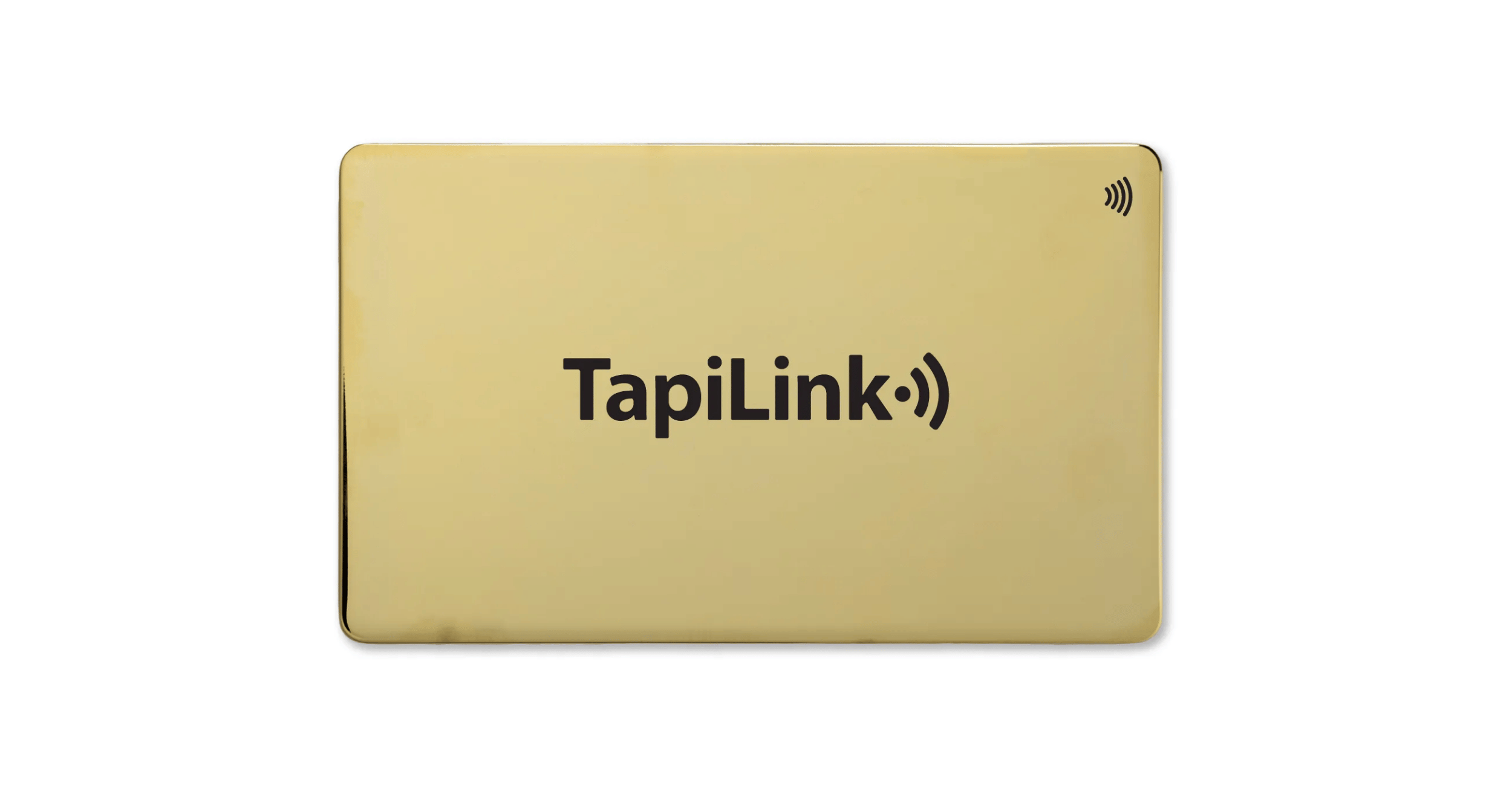
Metal NFC business cards are made by shaping a metal card blank, fitting an NFC chip and antenna with special handling so the metal does not block the signal, then adding the design by etching or printing and linking the card to a digital profile. The reason metal cards need that special handling is simple: metal interferes with the radio signal an NFC chip relies on, so the chip cannot just be placed on bare metal as it would be in a plastic card.
At TapiLink, we make our metal cards in the UK, and the engineering behind them is what lets a premium metal card still share your details with one tap and no app needed. This guide explains how a metal card is built, why the chip needs careful placement, and how the design is applied. For the wider view of weights, finishes and who metal suits, our metal NFC business cards guide covers the rest of the range.
What is a metal NFC business card?
A metal NFC business card is a smart card with a metal body and an embedded NFC chip that links to your digital profile. It does the same job as any of our cards, sharing your contact details with a tap, but the metal construction gives it weight, durability and a premium feel that plastic cannot match.
The metal is what people notice in the hand, and it is also the reason these cards are harder to manufacture than standard cards. Everything in the process exists to let a chip work reliably inside a material that naturally resists radio signals.
How are metal NFC cards manufactured, step by step?
Metal card manufacturing follows a clear sequence, even though the exact methods vary between makers. At a high level, the process runs as follows.
First, the metal blank is cut and formed to the standard card size and thickness, then the surface is prepared and finished, for example brushed, matte or polished. Next, the NFC chip and its antenna are fitted into the card using a construction that protects the antenna from the metal, which is the critical step we explain below. After that, the design is applied by etching or printing, and any personal details such as a name or logo are added. Finally, the card is linked to its digital profile and tested so it taps reliably before it ships.
The order matters because the chip handling and the finishing both have to work without compromising the other. A card that looks perfect but taps unreliably has failed, and so has a card that works but looks cheap.
Why does a metal NFC card need special chip handling?
Metal interferes with NFC because metal is electrically conductive and reflects radio waves, which detunes or blocks the antenna an NFC chip uses to communicate. In a plastic or wood card the antenna sits in open material and works freely. In a solid metal card, the same antenna placed directly against the metal would simply stop working.
Manufacturers solve this in a few ways. Common approaches include shielding the antenna from the metal with a ferrite layer, recessing the chip and antenna into a non-metal window or slot within the card, or using a hybrid construction that keeps the antenna away from the conductive surface. [VERIFY: confirm the specific construction TapiLink uses for its metal cards before publishing.] The principle behind all of them is the same: give the antenna a path to transmit that the metal does not interrupt. This is also why tap location can matter more on a metal card than a plastic one, which we explain in where the NFC chip sits in a card.
How is the design applied: etching versus printing on metal?
The design on a metal card is added by either etching or printing, and the two give different results. Etching, often done by laser, removes or marks the metal surface to create text and graphics that are part of the card itself, which tends to be hard-wearing and gives a crisp, premium look. Printing applies colour onto the surface, which allows fuller colour and detail but sits on top of the metal rather than in it.
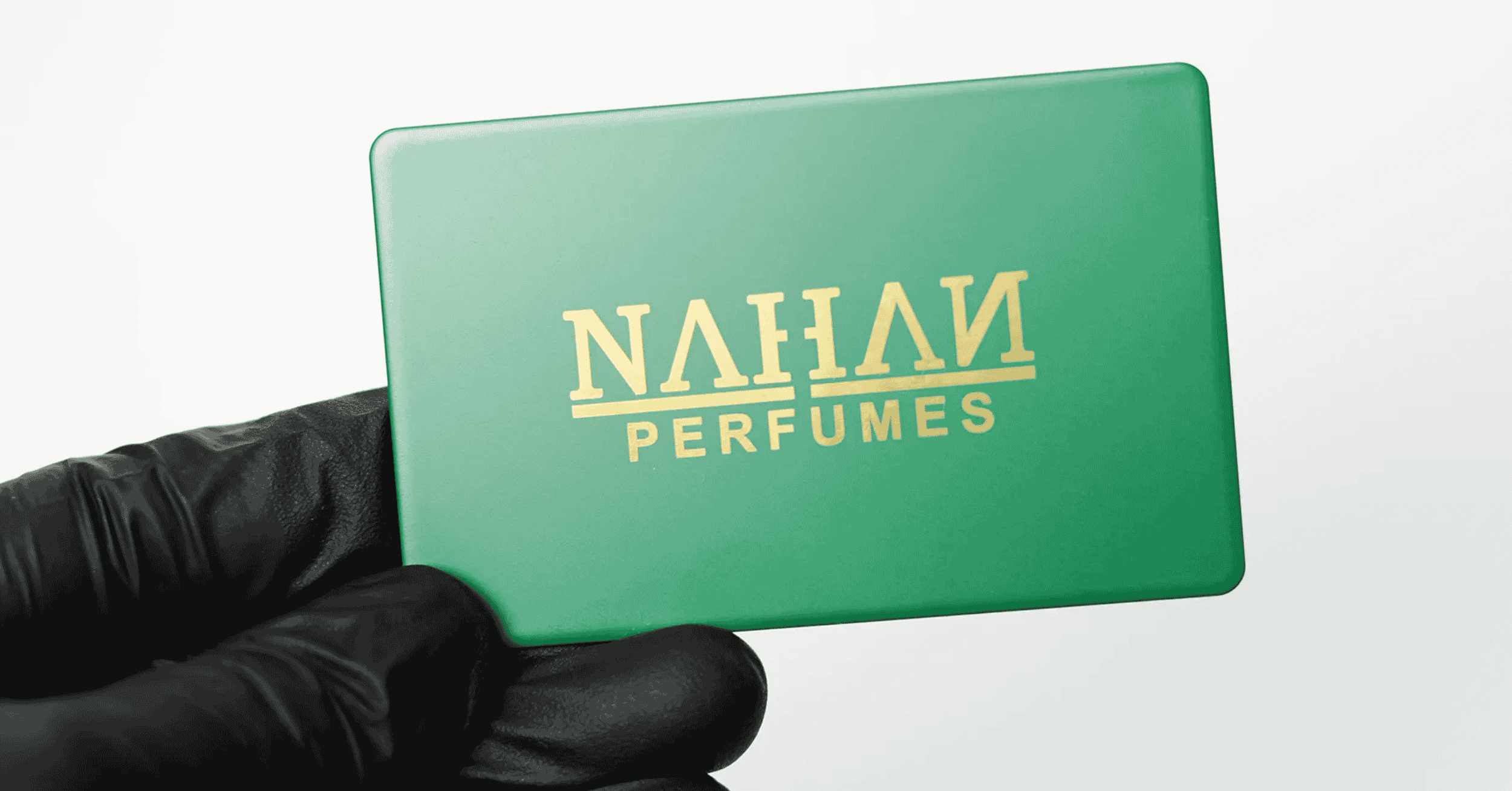
Neither is automatically better. Etching suits a minimal, engraved aesthetic and excellent longevity, while printing suits designs that need colour the metal cannot provide. The right choice depends on your brand and the look you want, which we compare in full in engraved vs printed cards.
Does the manufacturing affect durability and quality?
Yes, and this is where careful manufacturing pays off over the life of the card. A well-made metal card resists bending, scratching and wear far better than paper or thin plastic, and a properly shielded chip keeps tapping reliably for years. Because the digital profile is separate from the card, you never need to reprint to change your details, so the physical card is built to last while the information stays current through free updates.
Quality control at the end of the process is what guarantees this. A metal card should feel solid, look clean and tap first time, every time. If any of those fail, the card is not finished to standard.
How metal cards fit the wider range
Metal sits at the premium end of our range, and the manufacturing is the reason it commands that position. The same tap-to-share function runs across all of our Digital Business Cards, from plastic to wood to eco, but metal adds the weight, finish and durability that the manufacturing process makes possible. If you want the instant-sharing benefits without the metal construction, our standard NFC Business Cards deliver the same digital profile in a lighter card.
At TapiLink, we engineer our metal digital business cards so the premium feel and the reliable tap come together, made in the UK and dispatched quickly with free profile updates for life. When you are ready, you can shop UK-made metal cards through our Metal Digital Business Cards and add your logo with our free design service.
FAQ
Q1. How is the NFC chip put into a metal card?
Answer: The NFC chip and antenna are fitted using a construction that protects the antenna from the metal, since metal blocks NFC signals. Makers typically shield the antenna with a ferrite layer or recess it into a non-metal window so it can still communicate.
Q2. Why do metal NFC cards cost more to make than plastic ones?
Answer: Metal cards need more material, more finishing and a more complex method of fitting the chip so the metal does not block it. That added engineering and durability is why metal sits at the premium end of the range.
Q3. Is the design etched or printed on a metal card?
Answer: It can be either. Etching, often by laser, marks the metal itself for a crisp, hard-wearing finish, while printing applies colour on top for fuller detail. The best choice depends on the look your brand wants.
Q4. Does metal stop an NFC card from working?
Answer: Bare metal would block the signal, which is why metal cards are built with special chip handling. Made correctly, a metal NFC card taps just as reliably as a plastic one and works with no app needed.
Q5. Are metal NFC cards durable?
Answer: Yes. A well-made metal card resists bending, scratching and everyday wear far better than paper or thin plastic, and the digital profile means you never reprint to update your details.
Ready to revolutionize your networking approach? Explore TapiLink's range of premium NFC business cards and join the thousands of professionals who've already made the smart choice.