Choosing an NFC business card comes down to three questions: what do you do, what is your budget, and what do you mainly need the card to achieve. The people who choose well start with their use-case and their profession, not with the look of the card. Get those right and the material, finish and features fall into place.
At TapiLink, we have helped professionals across dozens of industries pick the right smart card, and that pattern holds every time. This guide walks through that decision framework so you can choose with confidence. We will cover how your profession shapes the choice, how to set a sensible budget, which features actually matter, and how to avoid the most common mistakes. This is about selection, not materials.
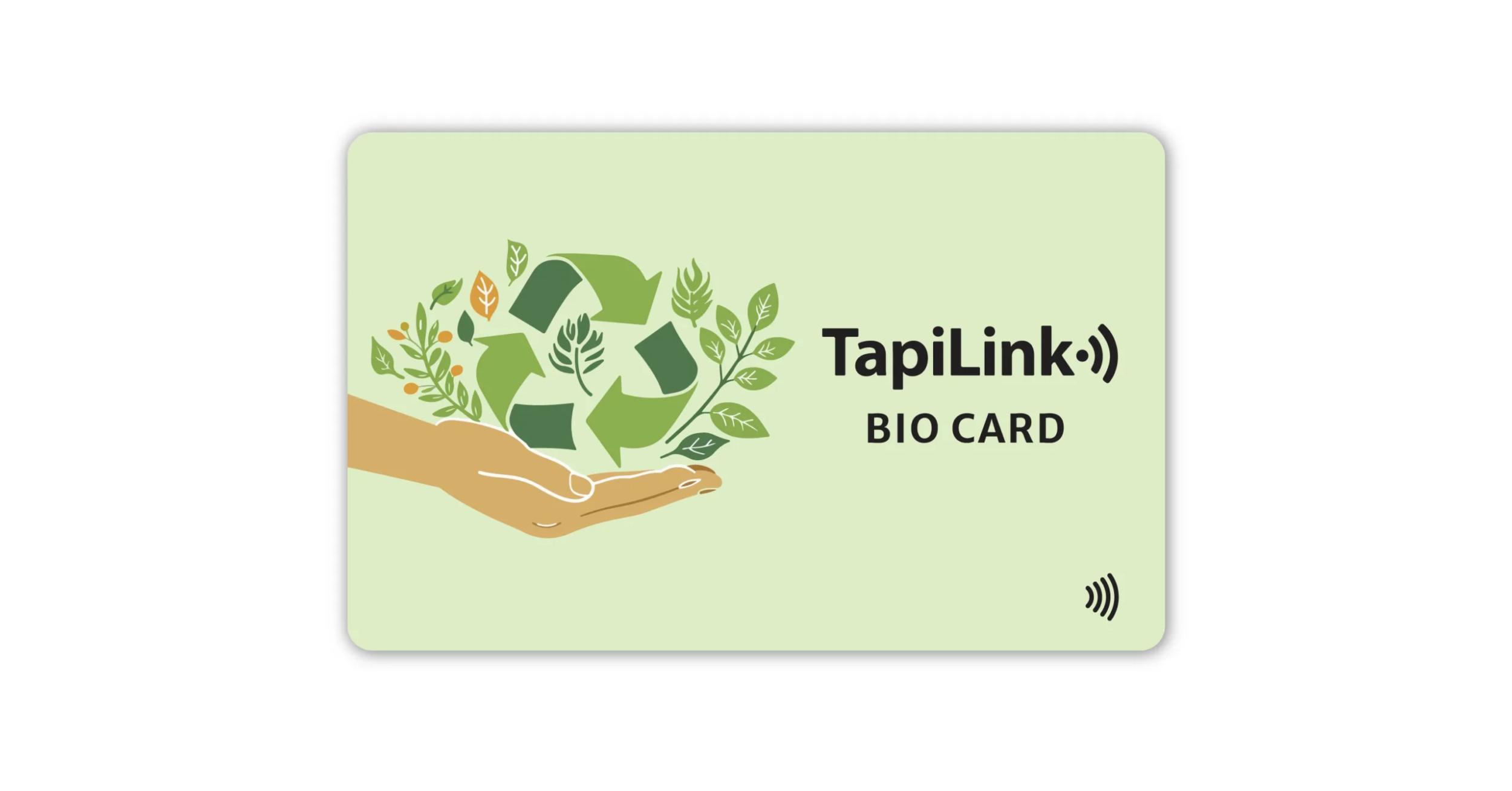
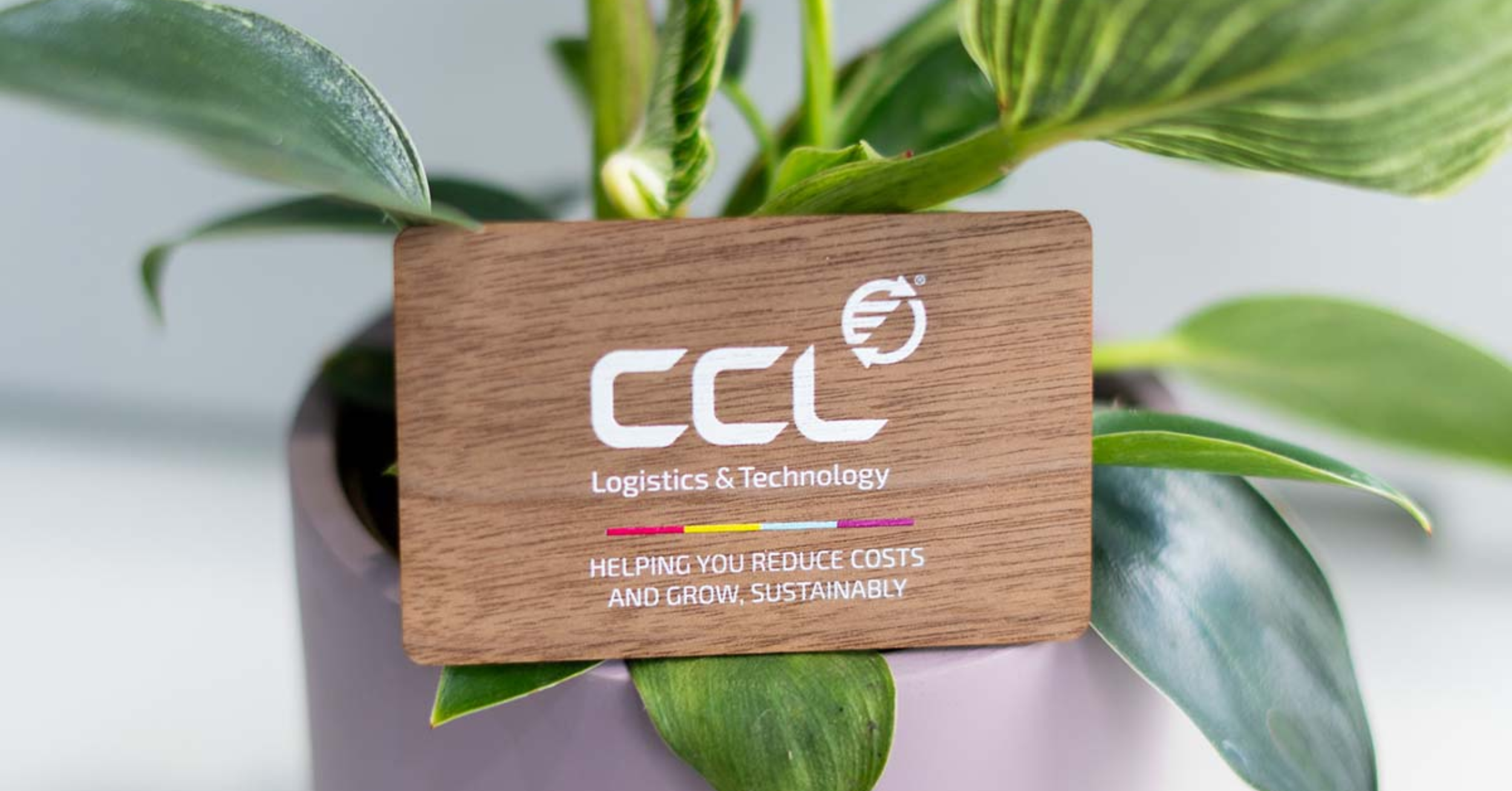
If you want the deep detail on metal versus PVC versus wood versus eco, we cover that separately in digital business card materials.
What should you consider before choosing an NFC business card?
Start with use-case, profession and budget, in that order. An NFC business card is a tappable smart card that shares a digital profile, so the right one is the one that fits how you work, not simply the one that looks best in a photo.
Three factors decide the outcome. Your use-case is what the card needs to do day to day. Your profession is how, where and how often you hand it over. Your budget is what you are comfortable spending per card and at what volume. Work through those three and the rest of the choice becomes straightforward. For a full rundown of the buying journey from first look to checkout, our NFC business card buyers guide sets out the wider picture.
How does your profession affect the choice?
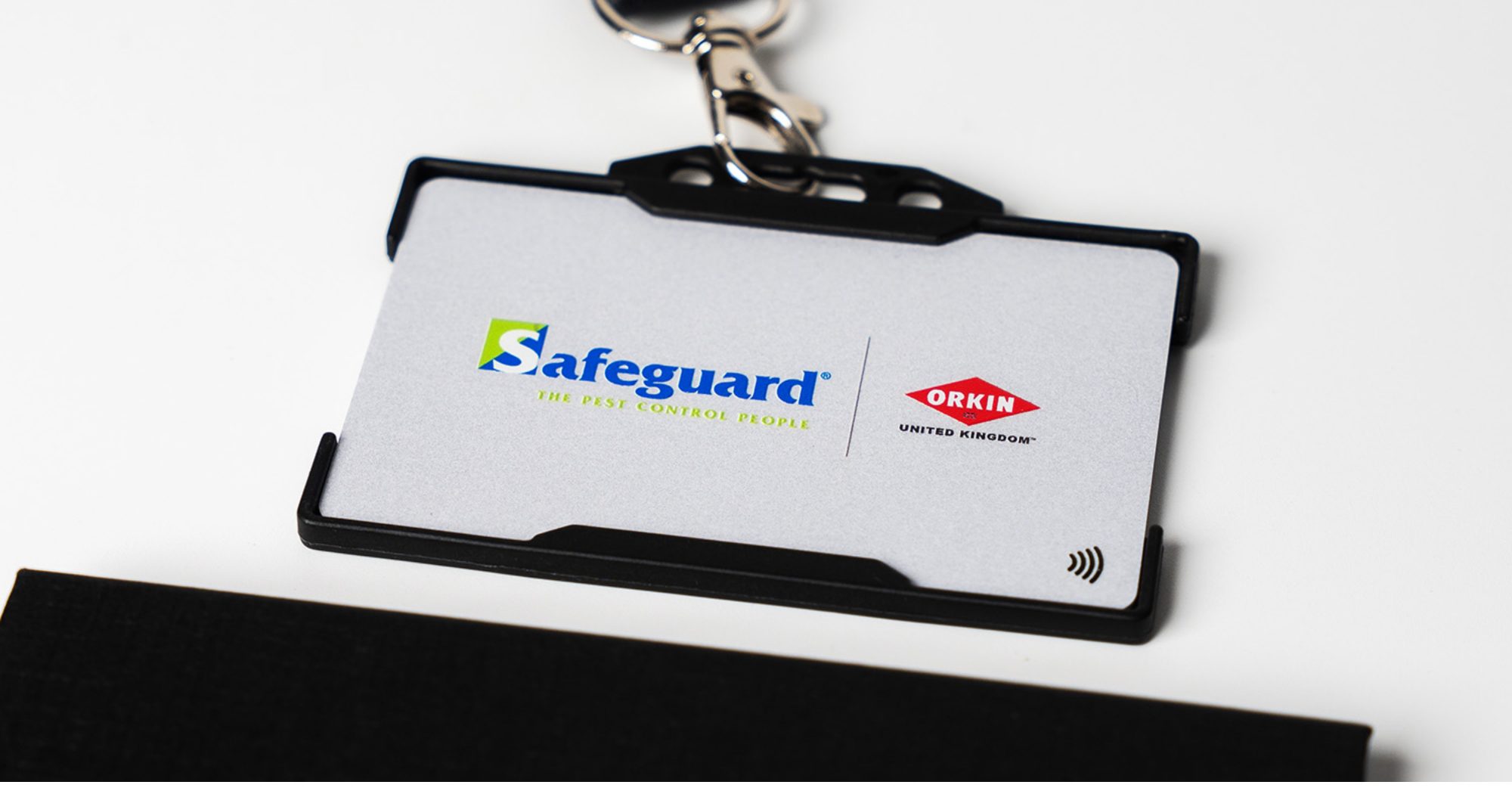
Your profession shapes how the card is used, which in turn points to the right card. A consultant or executive who networks in formal settings often wants a premium, weighty card that signals seniority. A tradesperson who hands cards over on site needs something durable that can take knocks and damp. A salon or restaurant owner often cares less about the card itself and more about collecting reviews at the counter.
The pattern is easy to see across jobs. Consultants, founders and sales leaders tend to want a premium card for first impressions, often metal. Tradespeople and field workers need a hard-wearing card that survives daily use. Salons, cafes and local services usually want a card paired with a review-collection setup. Freelancers and creatives want a card that reflects a personal brand and links to a portfolio. If you want to see this mapped out by job, we break it down industry by industry in digital business cards for business.
How to choose by budget without overpaying
Set your budget around two numbers: the cost per card and how many you need. A solo professional buying one card can comfortably stretch to a premium material because it is a single purchase that lasts. A team ordering many cards will usually balance feel against the total spend.
The key point is that an NFC card is a one-off purchase, not a subscription. At its core, the value is that you buy the card once and update the digital profile for free as often as you like, so you are not paying again every time your details change. That changes how you should think about price. A slightly more expensive card that you keep for years can work out better value than repeatedly reprinting paper. If you are weighing entry-level against premium, NFC business card features explains what the extra spend actually buys.
Which NFC card is best for me? Matching features to your goal
Pick features based on your primary goal, because the card that is best for you depends on what you want it to do. If your aim is sharing contact details and looking professional, prioritise the material and finish, a well-structured profile and Apple Wallet support. If your aim is winning more Google reviews, choose a review-focused setup rather than a standard card. If you mainly capture leads at events, prioritise lead capture and a profile built to collect details. If you are equipping a team, prioritise a central dashboard, consistent branding and bulk pricing.
Every card shares the basics: no app needed for the person receiving your details, tap or QR to share, and free profile updates. The differences are in the extras, so choose the extras that serve your goal rather than paying for features you will not use.
Common mistakes when choosing an NFC card
The most common mistake is choosing on looks alone and ignoring use-case. A beautiful card that does not suit how you actually work will disappoint, while a well-matched card quietly does its job for years.
A few others are worth avoiding. Buying for the material before deciding the use-case puts the cart before the horse. Overlooking review collection when the real goal is local growth leaves money on the table. Forgetting team needs often means reordering for central management later. And assuming recipients need an app is simply wrong, because our cards work with a simple tap or QR.
Your NFC card selection checklist
Bring it together with a short NFC card selection checklist. Decide your main use-case, sense-check it against your profession, set your per-card and total budget, then pick the material and features that serve that goal. If you are still unsure between materials at the end, that is the right moment to compare digital business card materials in detail.
At TapiLink, we build every card to share your details with one tap, with no app needed and free profile updates for life, so the choice is really about fit rather than function. When you are ready to choose your card, our NFC Business Cards let you match material, design and features to exactly how you work, with free logo design included and fast UK dispatch.
Frequently Asked Questions
Q1. How do I choose the right NFC business card?
Answer: Choose by use-case first, then profession, then budget. Decide what you mainly need the card to do, whether that is sharing contact details, collecting reviews or equipping a team, then pick the material and features that fit. This matters more than choosing on appearance alone.
Q2. Which NFC business card is best for me?
Answer: The best NFC card depends on your goal. For networking and first impressions, prioritise material and a clean profile. For local growth, choose a review-focused setup. For a team, prioritise central management and bulk options. Match the card to the job rather than the other way around.
Q3. Does it matter what material I choose?
Answer: Material affects feel, durability and the impression you make, but it should follow your use-case, not lead it. A tradesperson needs durability, while a consultant may want premium weight. Decide how you will use the card first, then choose the material to suit.
Q4. Are expensive NFC cards worth it?
Answer: A premium card can be worth it because an NFC card is a one-off purchase you keep for years, with free profile updates rather than reprints. For a single professional it is often justified, while teams usually balance feel against total spend.
Q5. Do I need an app to use an NFC business card?
Answer: No. Our cards share your details with a simple tap, and the person receiving them does not need an app. You can also pair the tap with a QR code so the card works with virtually any phone.
Ready to revolutionize your networking approach? Explore TapiLink's range of premium NFC business cards and join the thousands of professionals who've already made the smart choice.