Recycled NFC business cards are smart cards made from reused material, such as recycled PVC or recovered plastic, with an NFC chip inside that shares your details with a single tap. Their environmental benefit comes from reusing plastic that already exists rather than making new plastic, which cuts waste at the source. This is the point buyers most often confuse: recycled is not the same as biodegradable. A recycled card is made from reclaimed material, while a biodegradable card is designed to break down. Both are greener choices, but they solve different problems.
At TapiLink, we offer recycled Bio cards as a distinct option because the recycled route suits people who want to reduce waste without changing how the card looks or lasts. This guide explains what recycled and Bio cards are made from, how they differ from biodegradable cards, and who they suit. For the wider view of eco options, our eco biodegradable NFC business cards guide covers the biodegradable side in full.
What are recycled (Bio) NFC business cards?
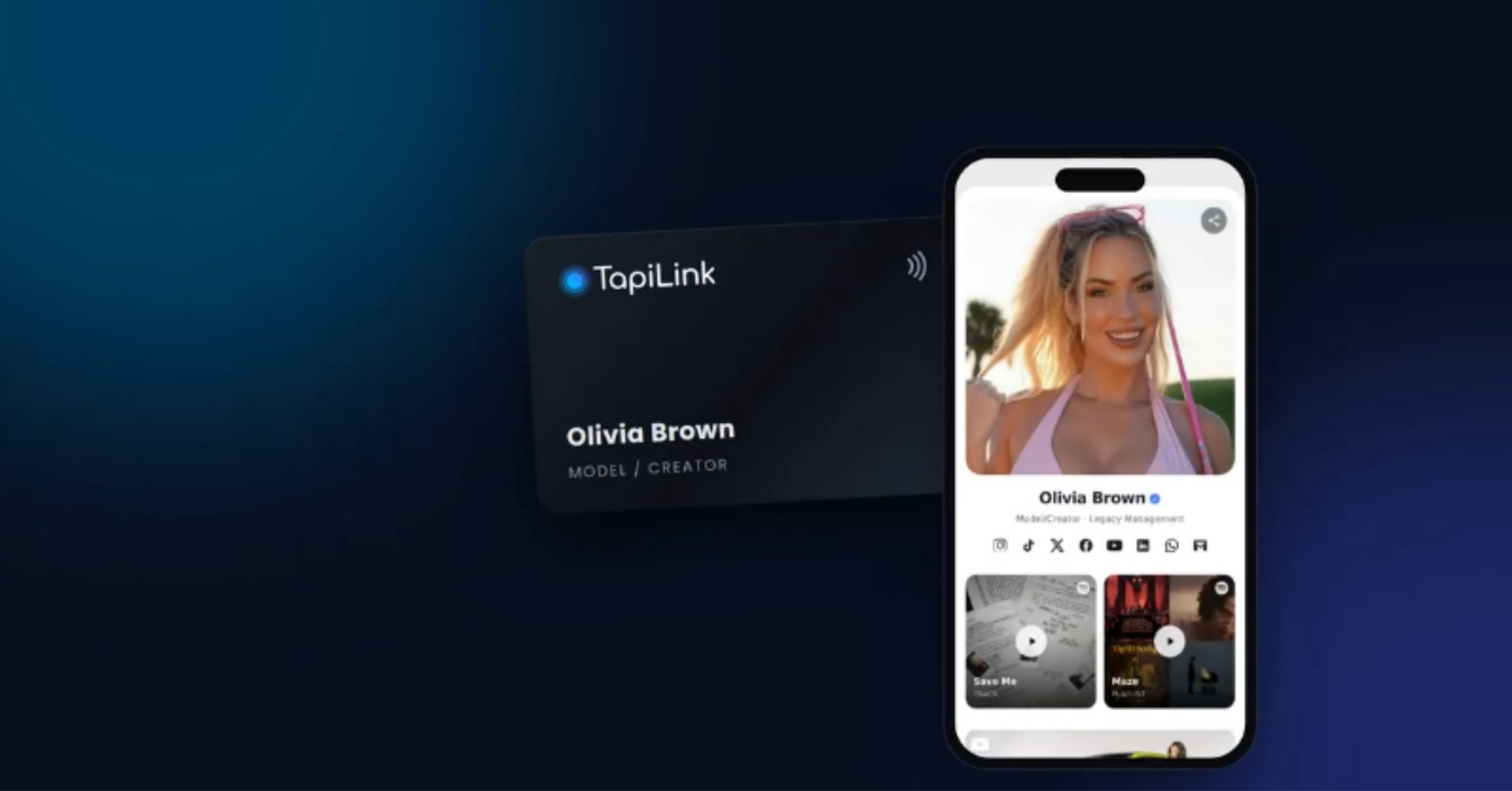
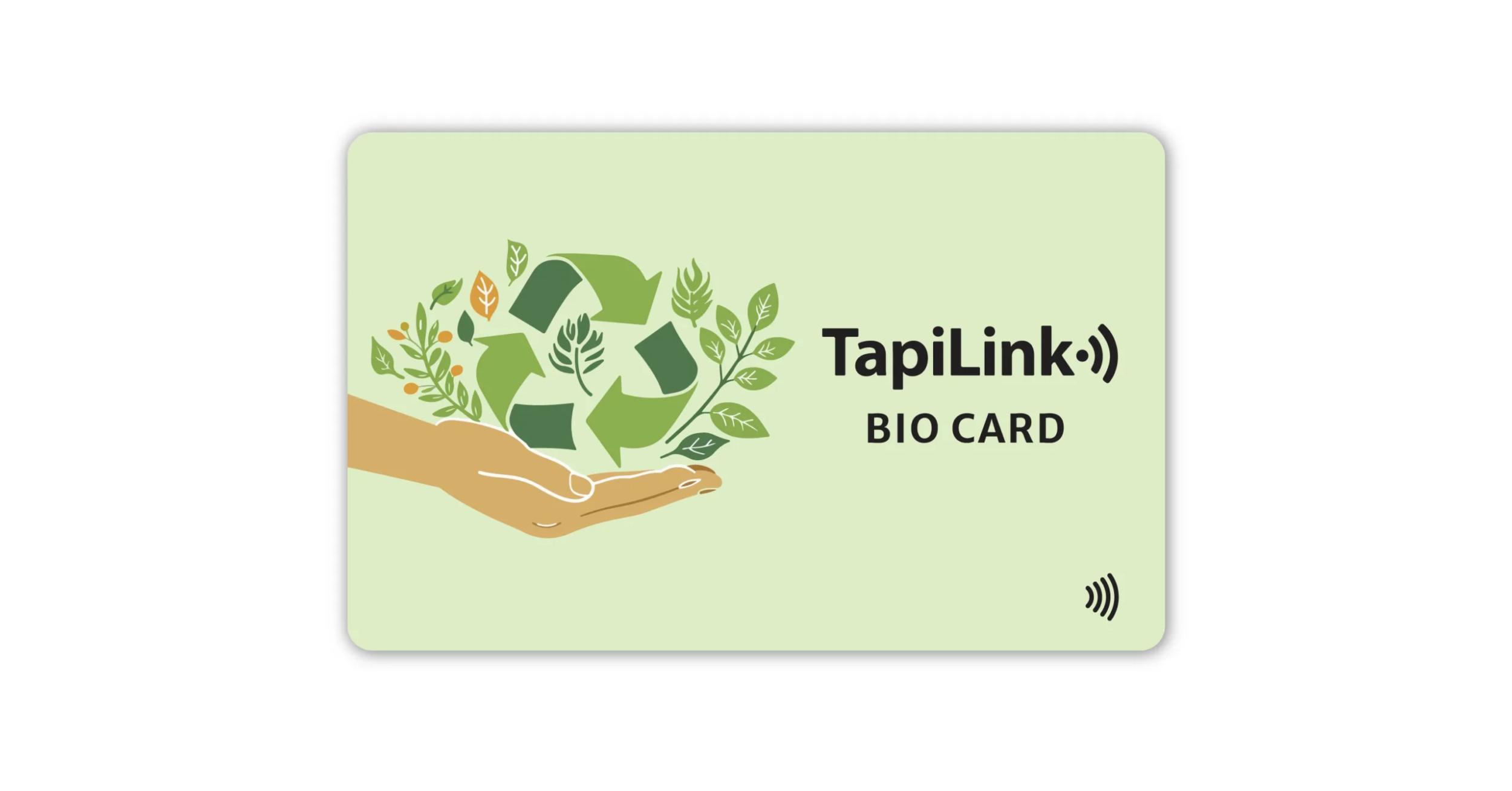
A recycled NFC business card is a tappable digital business card with a body made from reclaimed or recycled material rather than newly produced plastic. As with every card in the range, the Bio card material holds an NFC chip and links to a digital profile you can update for free, so it shares your details with a tap and needs no app for the recipient.
The Bio name reflects the environmental thinking behind it rather than a change in how the card works. It performs exactly like a standard card. The difference is where the material comes from, which is existing plastic given a second life instead of new material made from scratch.
What is the difference between recycled and biodegradable cards?
The difference is simple: recycled cards reuse existing material, while biodegradable cards break down into natural substances. A recycled card reduces the demand for new plastic by reusing what already exists, but it does not decompose. A biodegradable card is made to break down over time, but it is not necessarily made from recycled content.
This distinction matters when you choose, because the two serve different values. If your priority is diverting plastic from waste and reducing new production, recycled is the fit. If your priority is a card that breaks down at the end of its life, biodegradable is the fit. Neither is universally better, they simply reflect different environmental goals, and confusing the two leads people to buy the wrong card for their values.
What are recycled NFC cards made from?
Recycled NFC cards are typically made from recycled PVC or other recovered plastics given a new use. The material is processed from existing plastic waste rather than produced fresh, which is where the environmental saving comes from. [VERIFY: confirm the specific recycled content in TapiLink's Bio card, for example recycled PVC or ocean-bound plastic, before publishing.]
A recycled PVC card keeps the familiar durability and print quality of standard plastic while lowering its footprint through reused material. Some recycled cards use recovered or ocean-bound plastic, which adds a stronger story about diverting waste from the environment. The exact material shapes both the look and the message, so it is worth knowing what a given card is actually made from.
Do recycled cards perform as well as standard ones?
Yes, recycled cards perform just like standard plastic cards. Because a recycled PVC card uses the same base material, only reclaimed, it keeps similar durability, print quality and everyday feel, and it holds the same NFC chip and digital profile.
That is part of the appeal. You get a greener card without compromising on how it works or how long it lasts, which is not always the trade-off people expect from an eco choice. If durability across materials is a concern for you, our digital business card materials guide compares how each option holds up.
Who should choose a recycled card over a biodegradable one?
Choose a recycled card when your priority is reducing plastic waste and you want a durable, familiar card. It suits businesses and professionals who want to make a responsible material choice without moving away from the performance of standard plastic.
A recycled card is a strong fit if your sustainability message is about reducing waste and reusing resources, if you want the durability of PVC with a lower footprint, or if a recovered-plastic story aligns with your brand. If instead you want a card designed to break down at end of life, the biodegradable route in eco biodegradable NFC business cards will suit you better. Both choices also share the biggest green benefit of any digital card, which we explore in sustainable networking: one reusable card replaces a lifetime of reprinted paper.
Choosing a recycled Bio card
A recycled NFC business card is worth choosing when you want to cut plastic waste with a durable, familiar card, and when reusing material matters more to you than decomposition. It gives you a lower-footprint choice without changing how the card performs.
At TapiLink, we make our recycled Bio cards from reclaimed material with the same instant tap-to-share profile and free lifetime updates as the rest of the range, produced in the UK and dispatched quickly. When you are ready, you can shop recycled cards through our Bio Card / Eco Digital Business Cards and add your logo with our free design service.
FAQ
Q1. What are recycled NFC business cards made from?
Answer: Recycled NFC business cards are made from reclaimed material such as recycled PVC or recovered plastic, given a second life instead of being produced new. They hold the same NFC chip and digital profile as any card, so only the source of the material changes.
Q2. What is the difference between recycled and biodegradable cards?
Answer: Recycled cards reuse existing material to cut waste, while biodegradable cards are designed to break down into natural substances. A recycled card does not decompose, and a biodegradable card is not necessarily made from recycled content. They reflect different environmental goals.
Q3. Are recycled cards as durable as normal ones?
Answer: Yes. A recycled PVC card uses the same base plastic, only reclaimed, so it keeps similar durability, print quality and everyday feel. You get a lower-footprint card without giving up performance.
Q4. Are recycled NFC cards good for the environment?
Answer: Recycled cards reduce the demand for new plastic by reusing existing material, which cuts waste. Like any digital card, their biggest benefit is that one reusable card replaces repeated paper reprints over time.
Q5. Should I choose a recycled or biodegradable card?
Answer: Choose recycled if your priority is reducing plastic waste with a durable, familiar card. Choose biodegradable if you want a card designed to break down at the end of its life. Both are greener choices that suit different values.
Ready to revolutionize your networking approach? Explore TapiLink's range of premium NFC business cards and join the thousands of professionals who've already made the smart choice.