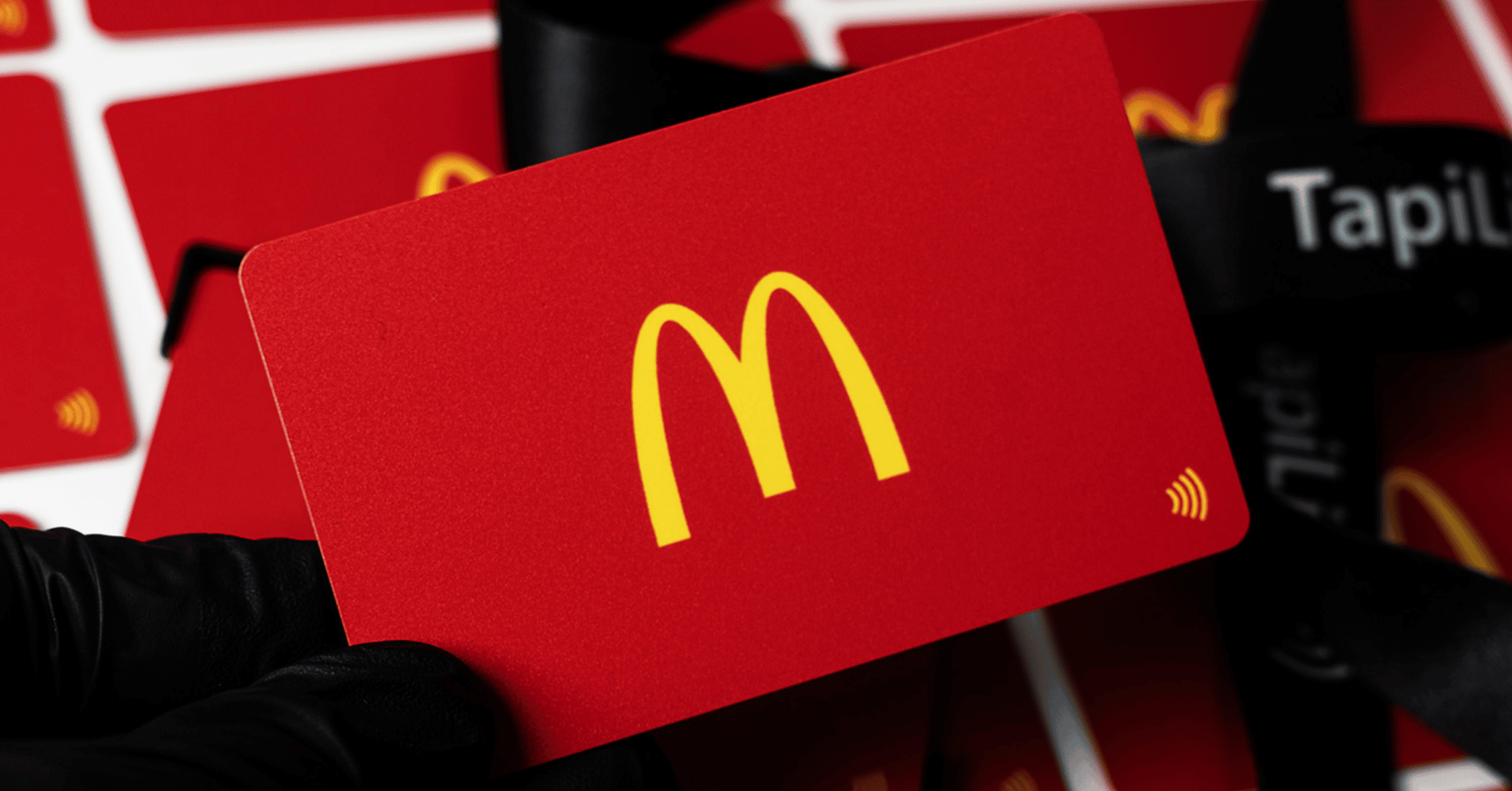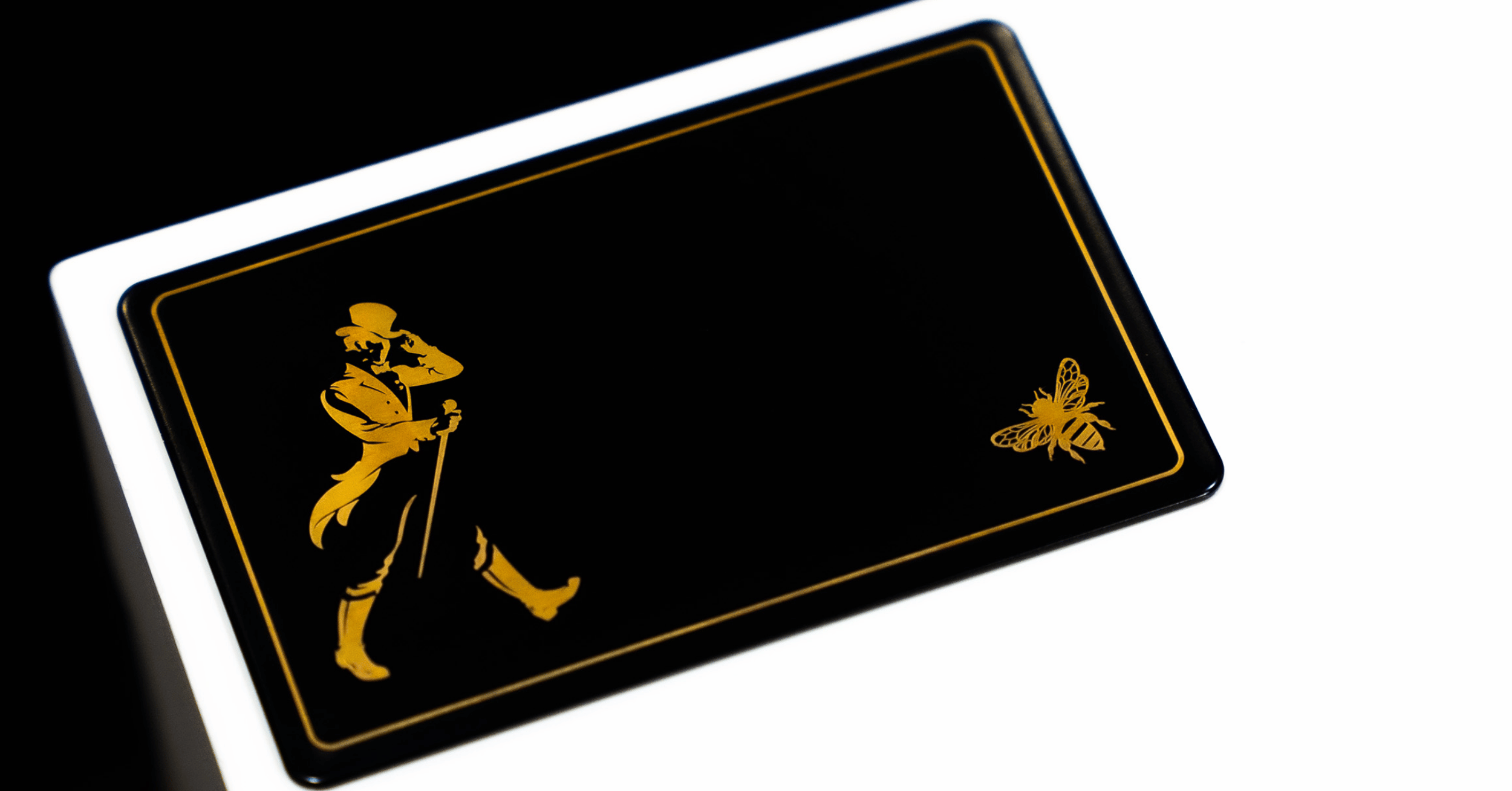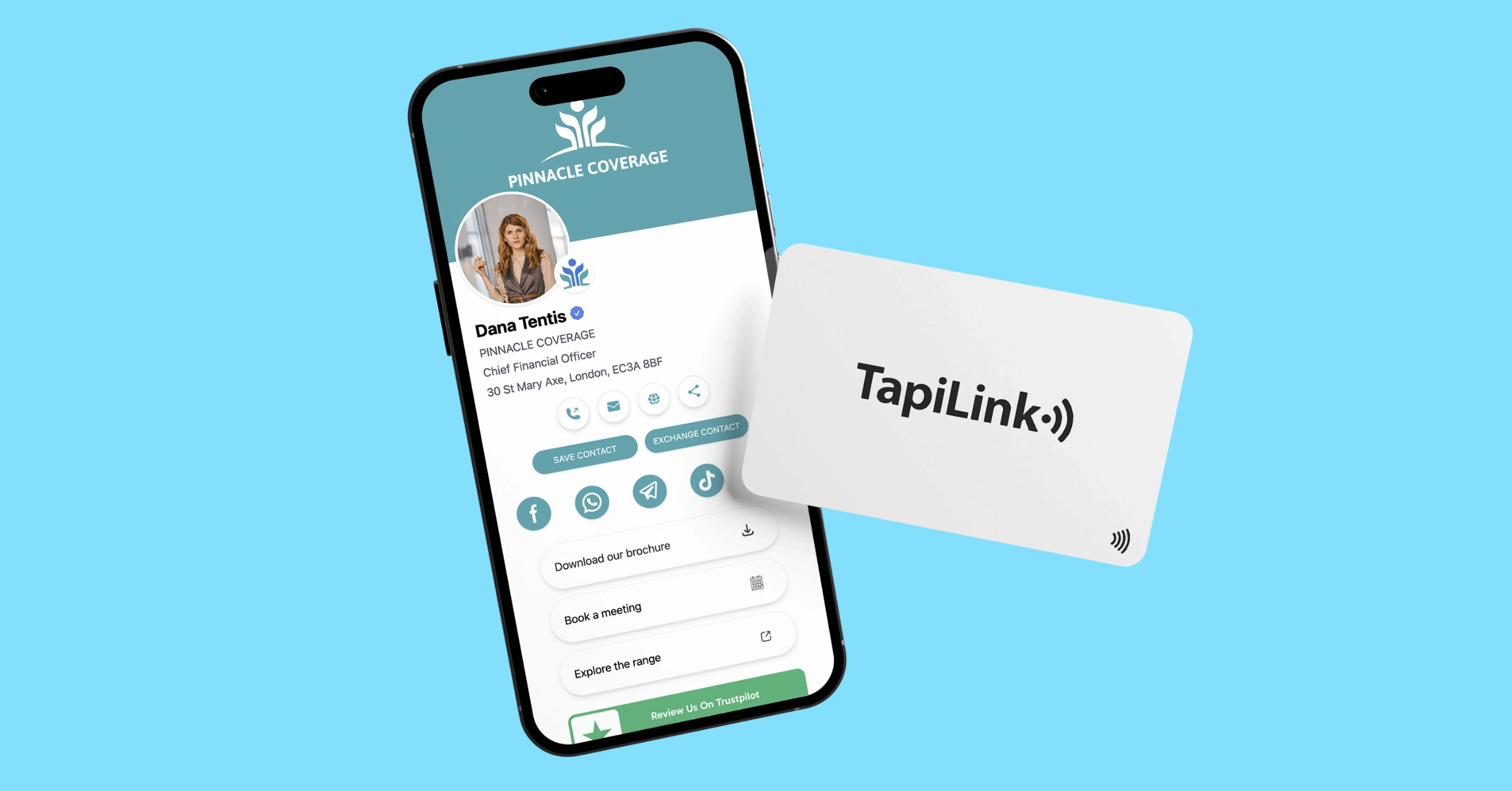
Digital business card materials come in four main families: metal, PVC, wood and eco or biodegradable. Metal is the most premium and hard-wearing, PVC is the affordable everyday option, wood gives a natural and distinctive feel, and eco cards put sustainability first. Every one of them holds an NFC chip and shares your details with a single tap, so the choice is about feel, durability, cost and values rather than function.
At TapiLink, we make our cards in all four materials because the right one genuinely depends on the person carrying it. This guide compares them side by side on the things that decide a purchase: cost, durability, feel in the hand, and green credentials. It is the one place we put all four materials head to head, so by the end you will know which family suits you. If you already know your material and want the deep detail, each one has its own guide linked below.
What are the main digital business card materials?
There are four main NFC card material types: metal, PVC, wood and eco or biodegradable. Each uses the same tap-to-share technology and links to a digital profile you can update for free, so they differ in the body material, not the way they work.
Metal is the premium tier, prized for weight and durability. PVC is the standard plastic used for most everyday cards, valued for print quality and price. Wood is a natural material chosen for its warmth and character. Eco and biodegradable cards use plant-based, plastic-free or recycled materials for a lower environmental impact. The sections below compare them on the factors that matter most.
Which material feels the most premium?
Metal feels the most premium of the four, with clear weight and presence in the hand. When you pass someone a metal card, its heft signals quality before they have even tapped it, which is why it suits professionals who trade on a high-end image. You can see the full detail in our metal NFC business cards guide.
Wood comes next for distinctiveness rather than weight. It feels warm and natural, and it stands out precisely because so few people carry one. PVC feels like a familiar, well-made plastic card, clean and practical rather than luxurious. Eco cards vary by material, and their appeal is the story they tell rather than a premium heft. If first impressions are your priority, metal leads, with wood as the characterful alternative.
If that premium heft is what you are after, our metal digital business cards give you the weight and finish that make the strongest first impression.
Which material is the most durable?
Metal is the most durable material and resists bending, scratching and daily wear better than the others. It is the card most likely to still look sharp after years in a wallet, which is part of what justifies its price.
PVC is durable enough for everyday use and holds up well, though it is less rugged than metal. Wood is sturdy but should be kept away from prolonged moisture, and eco materials vary, with some prioritising compostability over long-term toughness. For a hands-on profession where the card takes knocks, metal or PVC will serve best, and our PVC NFC business cards explained guide covers where PVC fits.
For a hard-wearing card at an everyday price, our pvc digital business cards balance durability and value for most buyers and larger orders.
How do the materials compare on cost?
The materials rise in price roughly from PVC up to metal, and the premium versus eco choice is really about what you value. PVC is the most affordable and the natural entry point for most buyers and larger orders. Metal sits at the premium end, reflecting the material and the more complex way the chip is fitted.
Wood and eco cards typically sit between the two, priced for their material and their appeal rather than for luxury. The useful way to think about cost is over time: because every card links to a digital profile you update for free, you buy once and never reprint, so a card that lasts can be better value than a cheaper one you replace. Weighing premium against eco is less about price alone and more about whether you are buying for impression or for values.
Which material is the most eco-friendly?
Eco and biodegradable cards are the most sustainable choice, made from plant-based, plastic-free or recycled materials. If lowering your environmental impact is the priority, this is the family to look at, and we cover exactly what breaks down and what does not in eco biodegradable NFC business cards.
It is worth remembering that every digital card carries a shared green benefit: one reusable card replaces a lifetime of reprinted paper, whatever material you choose. Wood is also a natural, renewable-leaning option for those who want character with a lighter footprint than plastic. So while eco cards lead on sustainability, going digital at all is already the greener move.
If sustainability leads to your decision, our eco friendly digital business cards use more sustainable materials while keeping the same instant tap-to-share profile.
How to choose the best material for your digital business card
Choose your material by matching it to your priority: impression, durability, budget or sustainability. There is no single best material for a digital business card, only the best one for how you work and what you want to signal.
A simple way to decide: pick metal if first impressions and durability lead, PVC if budget and everyday practicality lead, wood if you want natural character, and eco if sustainability is your priority. If several of these matter at once, rank them and let the top one guide you. For help matching the choice to your profession and budget rather than the material itself, our guide on how to choose an NFC business card walks through that decision.
At TapiLink, we build every material on the same instant tap-to-share profile, with no app needed, free lifetime updates and free logo design, all made in the UK and dispatched quickly, so you can choose on feel and values rather than function. When you are ready, you can compare card materials across our full Digital Business Cards range and pick the one that fits you.
FAQ
What is the best material for a digital business card?
Answer: There is no single best material, only the best one for your priority. Choose metal for a premium feel and durability, PVC for affordability and everyday use, wood for natural character, or eco for sustainability. Match the material to how you use the card and the impression you want.
Which digital business card material is most durable?
Answer: Metal is the most durable, resisting bending, scratching and wear better than the other materials. PVC is durable enough for everyday use, wood is sturdy but dislikes prolonged moisture, and eco materials vary depending on how they are made.
Are metal or PVC cards better?
Answer: Neither is universally better. Metal gives a premium feel and the best durability, while PVC is more affordable and practical for everyday use and larger orders. The right choice depends on your budget and the impression you want to make.
Which digital business card is the most eco-friendly?
Answer: Eco and biodegradable cards are the most sustainable, using plant-based, plastic-free or recycled materials. That said, any digital card is greener than paper, because one reusable card replaces repeated reprinting over time.
Do all card materials work the same way?
Answer: Yes. Metal, PVC, wood and eco cards all hold an NFC chip and link to the same digital profile, so they share your details with one tap and need no app for the recipient. Only the body material, feel, durability and cost differ.
Ready to revolutionize your networking approach? Explore TapiLink's range of premium NFC business cards and join the thousands of professionals who've already made the smart choice.