Choosing between an original PVC card and a premium material comes down to one question: does the impression matter more than the price. Standard PVC is the affordable, practical everyday card that suits most people and most budgets, and it does everything an NFC card should. A premium material like metal is the right upgrade when first impressions, durability and a high-end signal are worth more to you than paying the least. Both share the same tap-to-share technology, so this is a decision about tier, not function.
At TapiLink, we make cards at both ends of this range because the honest answer genuinely depends on the person. This guide sets out what separates entry-level from premium, when standard PVC is all you need, when it pays to upgrade, and how to judge whether the extra spend is worth it for you. For the full side-by-side of every material, our digital business card materials guide compares them all.
What is the difference between original and premium cards?
The difference between an entry-level and premium NFC card is the body material and the impression it makes, not the technology inside. An original PVC card uses a quality plastic body, while premium cards use materials like metal that add weight, durability and a more luxurious feel.
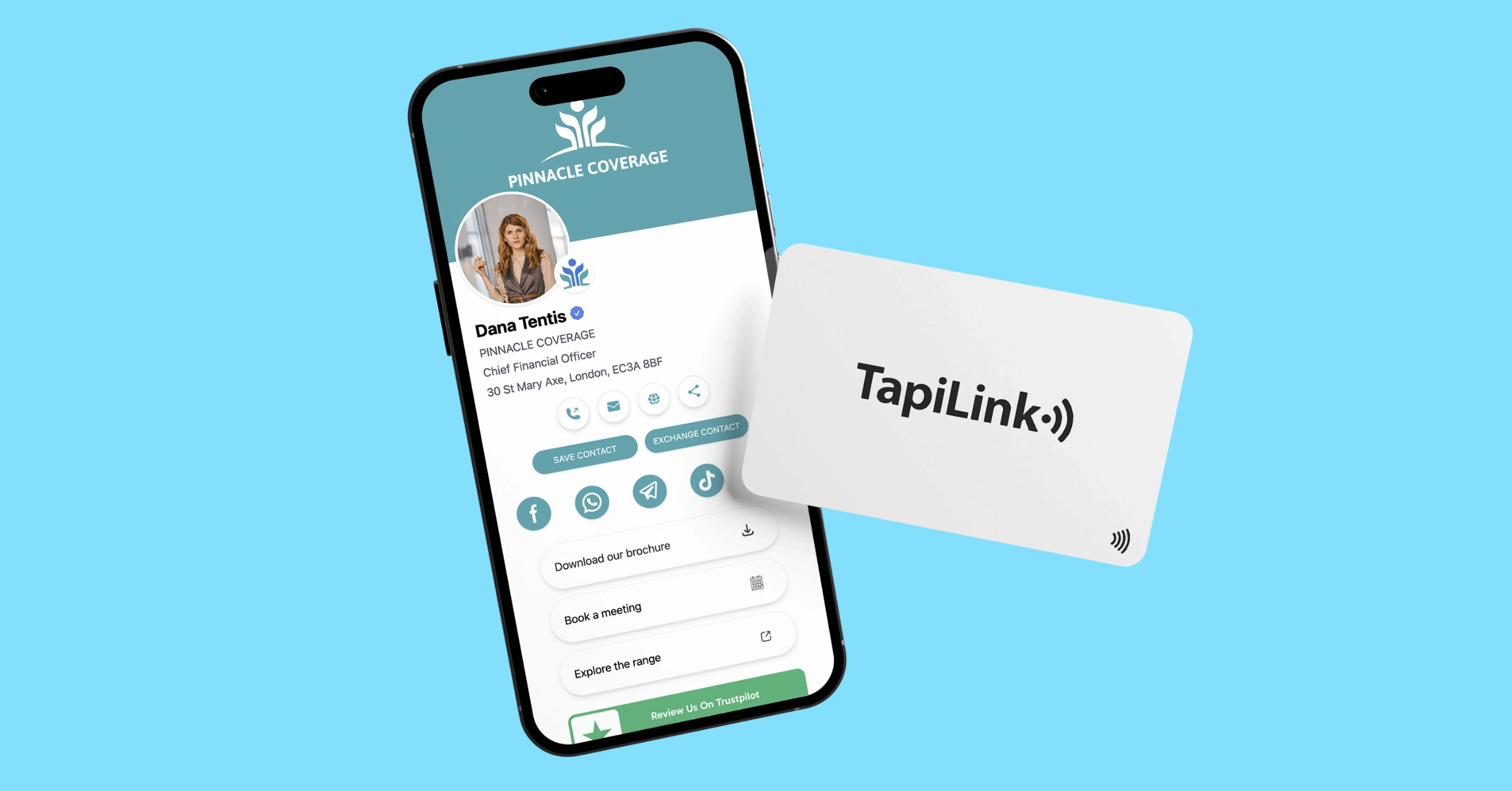
Every tier holds the same NFC chip, links to the same digital profile, needs no app for the recipient, and updates for free. So when you compare an entry-level versus premium NFC card, you are comparing how the card looks and feels in the hand and how long it lasts, rather than what it can do. That is the key point that makes this a values-and-budget decision.
When is a standard PVC card the right choice?
A standard PVC card is the right choice when you want a practical, affordable card that does the job without a premium price. It is the sensible default for most people, and there is no shame in choosing it, because it shares your details just as instantly as any metal card.
PVC suits you well if budget is a priority, if you are ordering in larger quantities where cost per card matters, or if the physical card is simply a means to share your profile rather than a statement in itself. For everyday networking, a well-made PVC card is more than enough. Our PVC NFC business cards explained guide covers exactly where it fits and what it does well.
When should you upgrade from PVC to premium?
You should upgrade from PVC when the impression the card makes is part of the value you are selling. If your work depends on looking established, premium or high-end, a heavier, more durable card reinforces that message at the moment you hand it over.
Consider the upgrade if you often network in formal or high-value settings, if your brand sits at the premium end of your market, or if you want a card that still looks sharp after years of use. The card becomes part of your professional image rather than just a way to pass on your details. This is where an entry-level card can quietly undersell you, and where the premium spend starts to earn its place.
When is it worth choosing metal specifically?
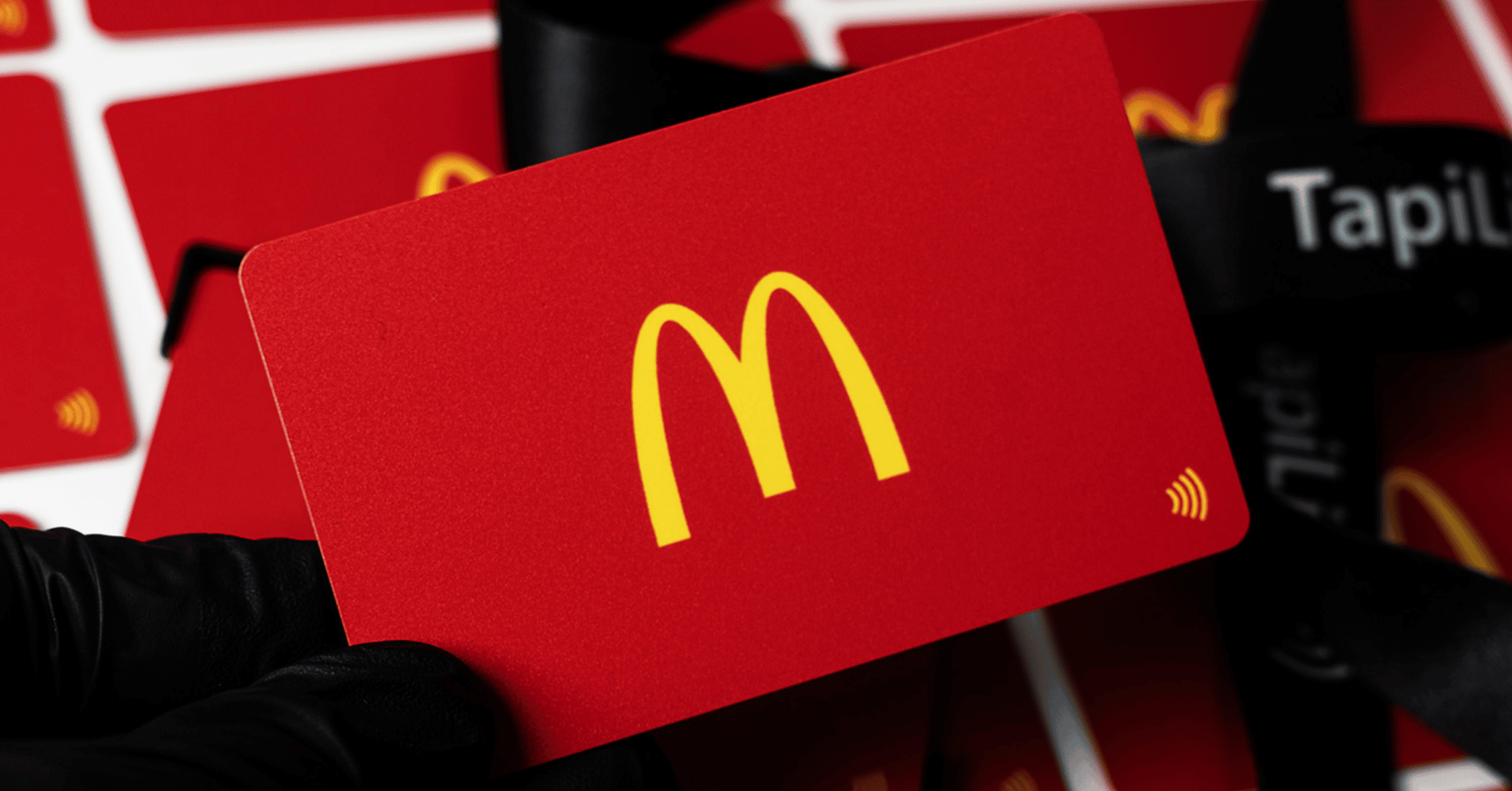
Metal is worth choosing when first impressions and durability are your top priorities. It is the most premium and hard-wearing material, with real weight in the hand that signals quality before the card is even tapped.
Choose metal when you want the strongest possible impression, when the card will be handled often and needs to survive daily wear, or when a distinctive, high-end feel matches your brand. It sits at the top of the range for good reason, and if you want the detail on whether the spend stacks up, our guide on are metal cards worth the cost weighs it up honestly. For a clear-eyed look at what actually separates the tiers, premium vs budget NFC cards breaks down the real differences.

How to decide if the premium spend pays off
Decide by weighing the cost against how much the impression is worth to your work, over the life of the card. A premium card is a one-off purchase you keep for years, with free profile updates instead of reprints, so the right comparison is value over time, not price on the day.
A simple way to judge it: if your income or reputation depends on looking premium, the upgrade usually pays off. If the card is a practical tool and budget leads, standard PVC is the smarter buy. And if you are ordering for a team, you might mix the two, premium cards for client-facing staff and PVC for the wider team. Rank what matters most to you, and let that decide the tier.
At TapiLink, every tier runs on the same instant tap-to-share profile with free lifetime updates, free logo design and fast UK dispatch, so you can choose on feel and budget rather than function. When you are ready, you can compare tiers across our full Digital Business Cards range, from our practical PVC Digital Business Cards to our premium Metal Digital Business Cards, and pick the one that fits how you work.
FAQ
Q1. Is a premium business card worth it over a standard PVC one?
Answer: It depends on your priority. A premium card is worth it when first impressions, durability and a high-end signal matter to your work. If budget and everyday practicality lead, a standard PVC card does the same job for less.
Q2. What is the difference between an entry-level and premium NFC card?
Answer: The difference is the body material and feel, not the technology. Both hold the same NFC chip and digital profile, so they share details identically. Premium materials like metal add weight, durability and a more luxurious impression.
Q3. When should I upgrade from a PVC card to metal?
Answer: Upgrade when the impression your card makes is part of your value, for example if you network in high-value settings or your brand is premium. Metal also suits cards that are handled often and need to survive daily wear.
Q4. Does a premium card work any better than a PVC one?
Answer: No. A premium card does not share your details any faster or better. Both tap instantly and need no app for the recipient. The upgrade buys a better feel, more durability and a stronger impression, not more function.
Q5. Is it cheaper to buy PVC cards in bulk?
Answer: PVC is the most affordable tier and the usual choice for larger orders where cost per card matters. Many teams mix tiers, using premium cards for client-facing staff and PVC for the wider team.
Ready to revolutionize your networking approach? Explore TapiLink's range of premium NFC business cards and join the thousands of professionals who've already made the smart choice.