Metal NFC business cards are worth the cost when the impression you make has real value to your work, and less so when a card is purely a practical tool. The premium buys three things: a standout first impression from the weight and feel, durability that keeps the card looking sharp for years, and a high-end signal that reinforces a premium brand. If budget leads and the card is simply a way to pass on your details, a cheaper material does the same job for less.
At TapiLink, we make cards at every tier, so we have no reason to push metal on someone who does not need it. This analysis lays out the honest value case: what the extra spend actually buys, when it pays off, and when it does not. Metal sits at the top of the range, and our metal NFC business cards guide covers the full detail, but the question of whether it is worth it deserves its own straight answer.
What are you actually paying for with a metal card?
You are paying for material, durability and impression, not for better technology. A metal card holds the same NFC chip, links to the same digital profile and shares your details with the same single tap as any of our cards, so the function is identical across tiers.
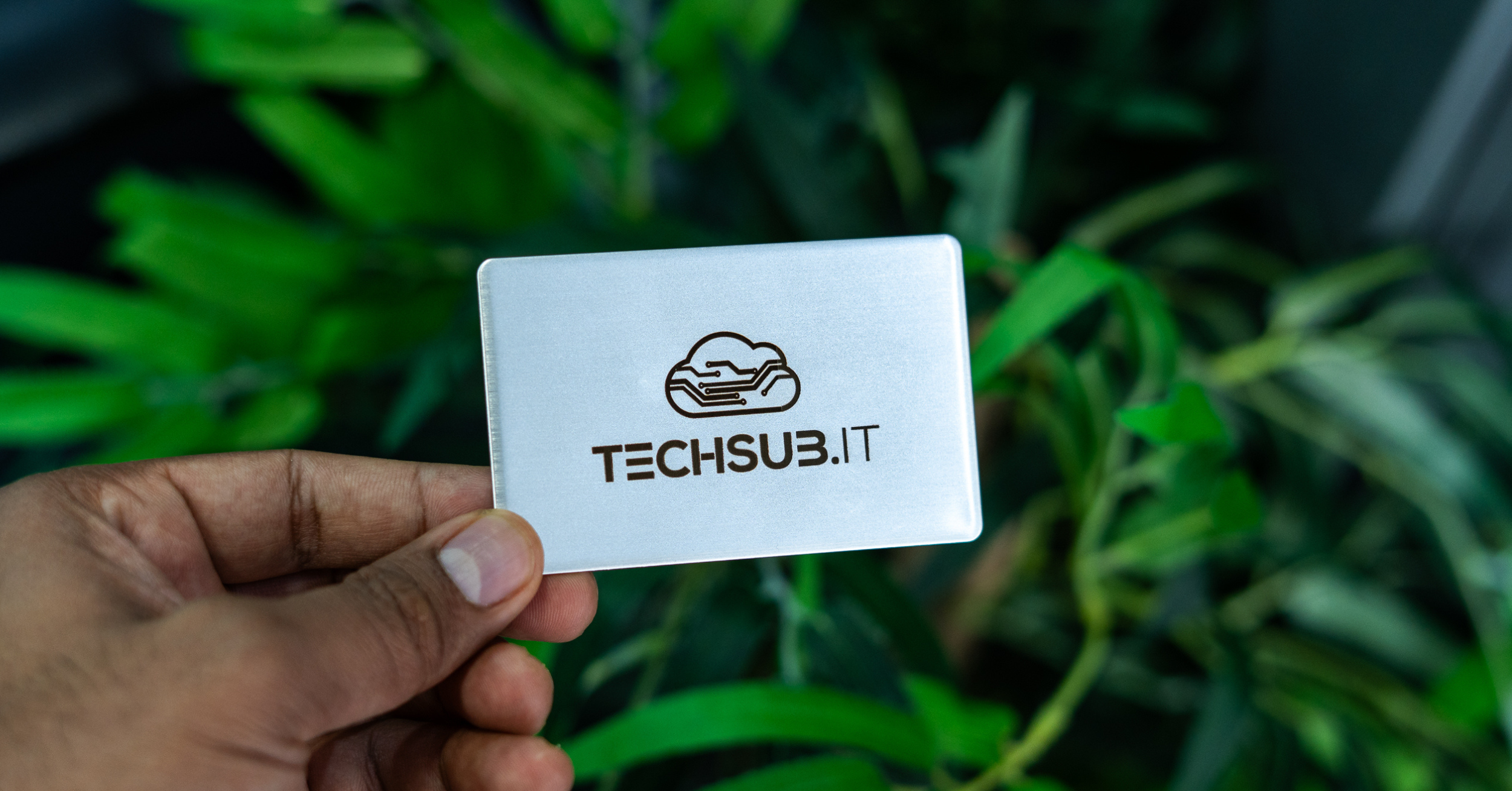
The metal card price justification comes down to the physical experience. Metal has real weight in the hand, a premium finish, and a build that resists bending and wear far better than plastic. That is what the premium buys: a card that feels considered and lasts, rather than one that simply works.
Metal vs plastic: where is the real value difference?
The real metal vs plastic card value difference is in impression and longevity, not capability. A plastic card is affordable, practical and perfectly capable of sharing your profile. A metal card is built to make people pause and to survive years of daily use.
Think of it as two different jobs. Plastic is the efficient everyday tool. Metal is part of your professional image, a card that does work for you at the moment of handover. Neither is better in the abstract, they simply serve different priorities, and honestly weighing the two is the point of premium vs budget NFC cards.
Does a metal card offer a real return on investment?
A metal card offers a return when the impression it creates influences whether people remember, trust or choose you. For professionals whose income depends on looking established, that impression is not a vanity, it is part of winning the work.
The premium card ROI is easiest to see in high-value settings. If a single memorable handover helps land a client, the card has more than paid for itself. If your work rarely turns on first impressions, that return is smaller, and the spend is harder to justify. The value is real, but it is tied to how much impression matters in your field.
How does cost per use change the picture?
Cost per use reframes a metal card from an expense into a long-term buy. Because the card links to a digital profile you update for free, you never reprint to change your details, so one card can serve you for years across countless hand-offs.
Spread the one-off cost across all those uses and the price per interaction becomes very small. A durable metal card that you keep for years can work out better value than a cheaper card you replace, or than paper cards you reprint every time something changes. Durability is central to this, and our guide on NFC card durability by material shows how metal outlasts the alternatives.
When is a metal card not worth it?
A metal card is not worth it when budget is your priority and the card is purely functional. If you need cards in large volumes, if you are just starting out, or if the physical card is only a means to share your profile, a cheaper material is the sensible choice and there is no downside to the technology.
Being honest about this matters. Buying metal to impress in a context where impression does not affect your work is spending for its own sake. The smart approach is to match the tier to the job, and for many people a standard card is exactly right.
So, are metal NFC cards worth it for you?
Metal NFC cards are worth it if your work benefits from a strong impression and you value a card that lasts, and they are not if budget leads and the card is purely practical. The deciding question is simple: does looking premium help you win or keep business.
At TapiLink, we build our metal cards on durable metal with the same instant tap-to-share profile, free lifetime updates and free logo design as the rest of the range, made in the UK and dispatched quickly, so the premium is in the card itself, not in ongoing fees. If the value case fits your work, you can see metal card pricing and design yours through our Metal Digital Business Cards. If it does not, our wider Digital Business Cards range has a tier that will.
FAQ
Q1. Are metal NFC business cards worth the extra cost?
Answer: They are worth it when the impression you make has real value to your work, thanks to the weight, durability and premium feel. If a card is purely practical and budget leads, a cheaper material does the same job for less.
Q2. Do metal cards work better than plastic ones?
Answer: No. Metal and plastic cards hold the same NFC chip and share your details identically with one tap. The difference is feel, durability and impression, not function or speed.
Q3. Why are metal business cards so expensive?
Answer: Metal cards cost more because of the material, the finishing and the more complex way the chip is fitted so the metal does not block it. You are paying for a premium feel and durability, not better technology.
Q4. How long does a metal NFC card last?
Answer: A metal card is built to resist bending, scratching and daily wear, so it can last for years. Because you update your details on the digital profile for free, you never need to reprint, which spreads the cost across many uses.
Q5. Is a metal card worth it for a small business or freelancer?
Answer: It depends on how much first impressions matter to your work. If looking premium helps you win clients, the impression can quickly justify the cost. If budget is tight and the card is purely functional, a standard card is the smarter choice.
Ready to revolutionize your networking approach? Explore TapiLink's range of premium NFC business cards and join the thousands of professionals who've already made the smart choice.