Metal Business Cards Vs. Vistaprint – Advantages of Metal comes down to one core difference: real stainless steel or aluminum cards deliver unmatched durability and premium impact, while Vistaprint typically offers metallic or raised foil finishes printed on paper stock. If you are deciding which option creates stronger first impressions at networking events, trade shows, or client meetings in London, Dubai, or New York, this guide gives you a clear answer fast.
Metal cards use laser engraving, etching, or cut-through designs on solid metal. Vistaprint’s metallic options use foil stamping or specialty coatings on cardstock. That difference affects weight, scratch resistance, longevity, and brand perception. According to marketing research summarized by the Advertising Specialty Institute, tactile and high-quality materials can significantly improve brand recall compared to standard print formats.
In this article, you will compare real materials, costs, design limits, NFC compatibility, and long-term value. You will also learn when foil business cards make sense, and when metal becomes the smarter investment.
What Are Real Metal Business Cards and How Do They Work
I still remember the first time someone handed me a solid stainless steel business card at a London tech expo. It felt closer to a credit card made of metal than paper. People around us actually paused to look at it. That reaction is not accidental. Studies referenced by the Advertising Specialty Institute show that tactile promotional materials significantly improve brand recall compared to standard paper formats. Physical weight and texture activate sensory memory in ways flat print often cannot.
Real metal business cards are not metallic ink or foil overlays. They are manufactured from actual sheets of stainless steel or aluminum, typically 0.3 mm to 0.5 mm thick. Some premium versions use anodized black metal or brushed finishes to enhance contrast and durability. These cards are engineered, not printed in the traditional sense.
From a practical standpoint, metal cards work by combining industrial fabrication methods with precision branding techniques. Instead of ink sitting on top of paper fibers, information is permanently etched or engraved into the surface. This means no peeling, minimal fading, and far greater structural integrity over time.
If you want to understand how metal compares to digital alternatives like NFC or QR enabled profiles, see our guide on Digital vs Physical Business Cards for a broader comparison.
Materials Used Stainless Steel Aluminum and Black Metal Finishes
Most high quality metal cards are produced from:
• Stainless steel for maximum strength and corrosion resistance
• Aluminum for lighter weight and lower cost
• Anodized black metal for bold contrast and premium aesthetics
Stainless steel offers the most durability. It resists bending and surface corrosion. Aluminum is lighter and easier to customize with color infill. Black metal variants often use anodizing, a process that increases corrosion resistance and improves surface hardness. According to ASM International, anodizing can significantly enhance wear resistance and lifespan of aluminum surfaces.
These material differences directly affect brand perception. In high trust industries like finance, law, and property investment, weight and finish subtly communicate authority.
Production Methods Laser Engraving Etching Cut Through and Brushed Effects
Metal cards are fabricated using industrial processes such as:
• Laser engraving to burn precise text or logos into the surface
• Chemical etching to create recessed details
• Cut through designs for negative space logos
• Brushed or matte finishing for refined texture
Laser systems allow micron level accuracy. According to research from the National Institute of Standards and Technology, laser engraving provides high precision marking that resists abrasion under normal handling conditions.
Unlike foil stamping, these markings are permanent. They do not flake or rub off with friction. This makes them especially attractive for executives and sales professionals who network frequently.
Common Use Cases Luxury Networking Real Estate Finance Tech Events
Metal business cards are most effective when impression matters more than volume. I have seen them used successfully in:
• Luxury real estate presentations
• Private banking and wealth management
• Startup founder networking at tech conferences
• High ticket B2B consulting meetings
In cities like London, Dubai, and New York, where competition is intense and personal branding matters, standing out physically can influence perception before a single word is spoken.
If your goal is to project authority, exclusivity, and long term brand positioning, metal cards deliver a premium edge that standard paper formats rarely match.
Next, let’s clarify what Vistaprint actually offers so you can see how metallic and raised foil cards compare in structure and durability.
What Does Vistaprint Actually Offer Metallic and Raised Foil Explained
Many people assume Vistaprint sells solid metal business cards. That is not accurate. What they primarily offer are metallic foil and raised foil finishes printed on premium cardstock, plus NFC enabled options through VistaConnect.
Understanding this distinction eliminates confusion and helps you choose correctly.
Metallic Foil Accent Cards on Premium Cardstock
Vistaprint metallic cards use foil stamping on paper stock. Foil stamping applies a thin metallic layer using heat and pressure. The reflective areas create visual shine but the base material remains paper.
Foil accents work well for:
• Highlighting logos
• Adding decorative shimmer
• Budget friendly premium look
However, foil can scratch or dull over time. It is decorative rather than structural. According to the Printing Industries of America, foil stamping enhances visual appeal but does not increase substrate durability.
These cards are lighter and typically range from 14 pt to 18 pt cardstock thickness. They feel premium compared to basic cards, but they do not replicate the rigidity of metal.
Raised Foil Finish and Specialty Print Coatings
Raised foil adds a tactile dimension. The foil sits slightly elevated above the card surface. This creates texture and shine, improving sensory impact without changing the material itself.
Specialty coatings may include:
• Soft touch lamination
• Matte finish
• Spot UV gloss
These options enhance visual sophistication at a relatively affordable price. They are ideal for startups, creative professionals, and bulk campaigns where cost control matters.
That said, raised foil still sits on paper. It cannot match the longevity of etched steel or anodized aluminum in harsh conditions or heavy networking cycles.
VistaConnect NFC Business Cards and Digital Profile Integration
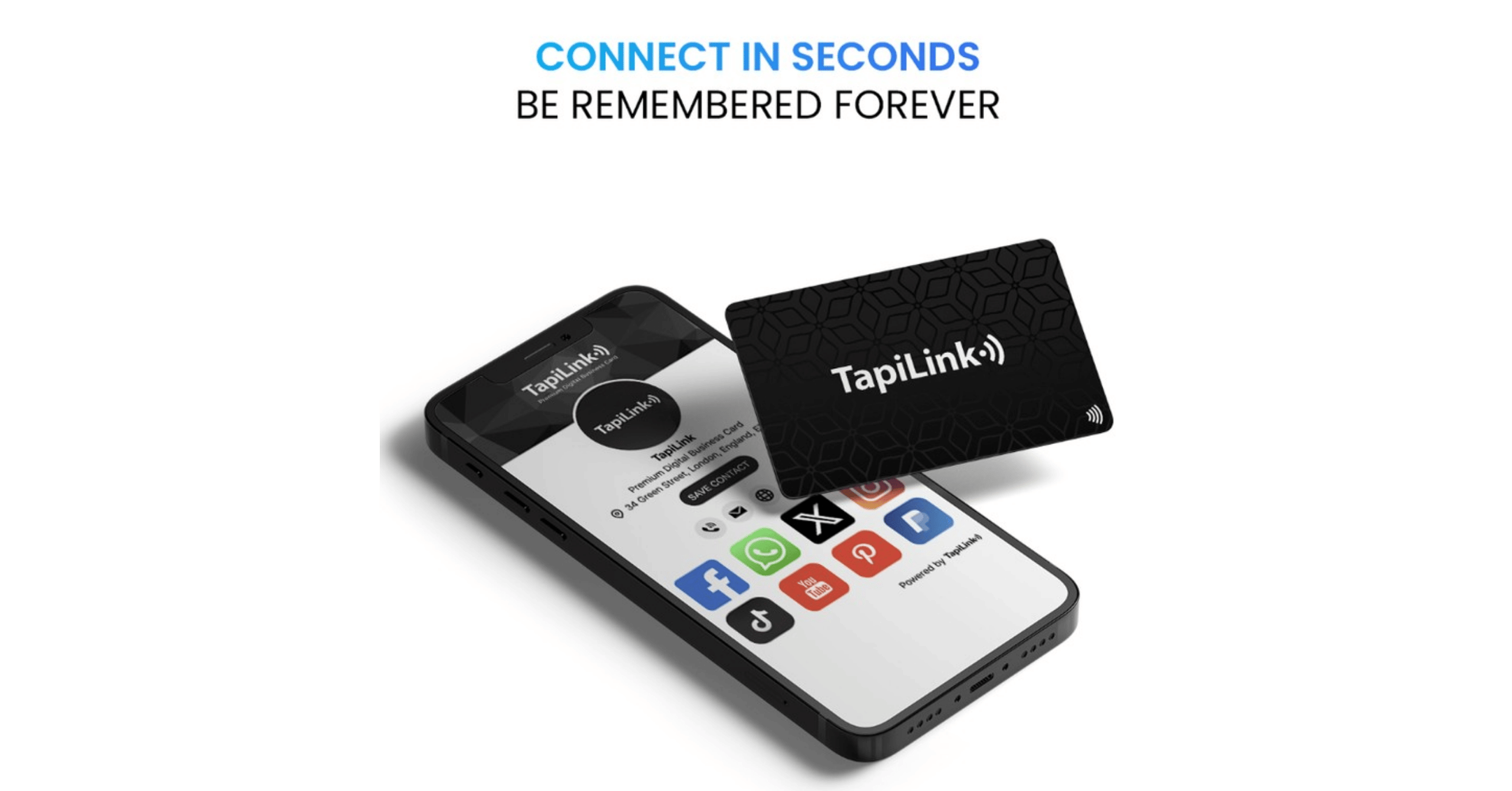
Vistaprint also offers NFC enabled cards under VistaConnect. These allow users to tap the card to share a digital profile link. NFC technology uses short range wireless communication, similar to contactless payment systems. According to the NFC Forum, NFC devices operate within a few centimeters and enable instant data exchange without pairing.
These cards blend physical branding with digital convenience. They are useful for modern networking and analytics tracking. If you want a deeper look at how NFC profiles work across industries, read our article on How NFC Business Cards Transform Networking.
Still, even NFC Vistaprint cards remain paper based unless explicitly specified. The embedded chip does not change the core material.
In short, Vistaprint metallic and raised foil cards enhance visual appeal on cardstock. Real metal business cards change the entire physical structure and durability profile.
Side by Side Comparison Metal Business Cards Vs Vistaprint
If you are deciding between real metal business cards and Vistaprint metallic or raised foil options, you are likely comparing durability, feel, design control, and practicality. Below is a direct comparison to eliminate guesswork and help you choose based on performance, not just appearance.
Durability Scratch Resistance and Lifespan
Metal business cards are physically engineered for long term durability. Laser engraving and etching create permanent marks within the surface. Stainless steel and anodized aluminum resist corrosion and bending under normal professional use.
Foil cards, on the other hand, rely on heat pressed metallic layers. Over time, repeated friction inside wallets or pockets can dull reflective surfaces. Specialty coatings help, but they do not change the structural base material. If you attend frequent networking events in cities like London or Dubai where cards are exchanged weekly, lifespan becomes a meaningful factor.
Weight Thickness and Tactile Experience
Weight influences perception. A solid metal card feels noticeably heavier and cooler to the touch. That tactile difference triggers attention. Research from the Advertising Specialty Institute highlights how sensory engagement improves recall compared to standard print items.
Vistaprint metallic and raised foil cards feel premium compared to standard paper, especially with soft touch lamination. However, they still flex slightly under pressure. The structural rigidity of steel or aluminum creates a stronger “luxury signal” during first contact.
Design Flexibility Color Accuracy and Fine Detail
Metal cards excel in minimal, high contrast design. Engraved text, cut through logos, and brushed surfaces produce bold visual impact. However, full color gradients are limited unless infill printing is used.
Vistaprint foil cards support full color backgrounds with metallic highlights. They are better suited for colorful branding and detailed graphics. If your logo depends on complex color blending, paper based finishes may offer greater flexibility.
Turnaround Time Minimum Order and Shipping
Metal cards often require specialized fabrication. Production may take longer than standard print cycles. International shipping times can vary depending on manufacturer location.
Vistaprint typically offers faster turnaround, especially for UK and US markets, with predictable bulk pricing structures. If speed is your priority, foil cards often deliver faster fulfillment.
This side by side comparison clarifies performance differences. Next, we examine cost in more strategic terms so you can evaluate real investment versus perceived value.
Cost Breakdown Real Investment vs Perceived Value
Price alone does not determine value. The more important question is what each card communicates and how long that impression lasts.
Typical Price Ranges for Metal Cards
Metal business cards typically cost more per unit than paper alternatives. Prices vary depending on material, finish, and complexity. Stainless steel cards with engraving and cut through elements usually sit at the higher end. Aluminum options are often more affordable.
Because production involves laser systems and metal fabrication, the base cost reflects industrial processes rather than standard digital printing. Orders are often placed in smaller quantities due to premium positioning.
Typical Price Ranges for Vistaprint Metallic and Raised Foil
Metallic foil and raised foil business cards are priced closer to traditional premium cardstock products. Bulk discounts significantly reduce per unit cost. This makes them attractive for startups, sales teams, and event distribution.
The investment is lower upfront, especially for large volume campaigns. However, lifespan and structural durability are more limited compared to metal.
Cost Per Impression and Brand Positioning ROI
Here is where strategic thinking matters. A metal card handed to 50 high value prospects may create stronger long term brand recall than 500 standard foil cards distributed broadly.
Consider:
• Industry type
• Client lifetime value
• Frequency of networking
• Brand positioning goals
In high ticket industries like finance or luxury real estate, a single converted client may justify the premium card investment many times over. In high volume marketing campaigns, metallic foil cards provide cost efficiency with elevated aesthetics.
The key difference is this: metal cards are an authority statement. Foil cards are an enhanced presentation tool. Your choice depends on whether your goal is maximum reach or maximum impact.
Design and Readability Real World Testing Insights
When people compare metal business cards vs Vistaprint options, they often focus on price and appearance online. But real world performance matters more. I have personally tested cards under office lighting, outdoor sunlight, and conference hall spotlights. The differences become obvious once you handle them for a few days.
Reflectivity Contrast and Small Font Legibility
Metal surfaces reflect light differently depending on finish. Brushed stainless steel diffuses light, which improves contrast for engraved text. Highly polished finishes can reflect glare, especially under bright indoor lighting.
For small fonts, laser engraved metal maintains sharp edges because the text is etched into the surface. Foil stamping on paper can look crisp initially, but extremely fine text may lose clarity if the foil layer slightly spreads during heat application.
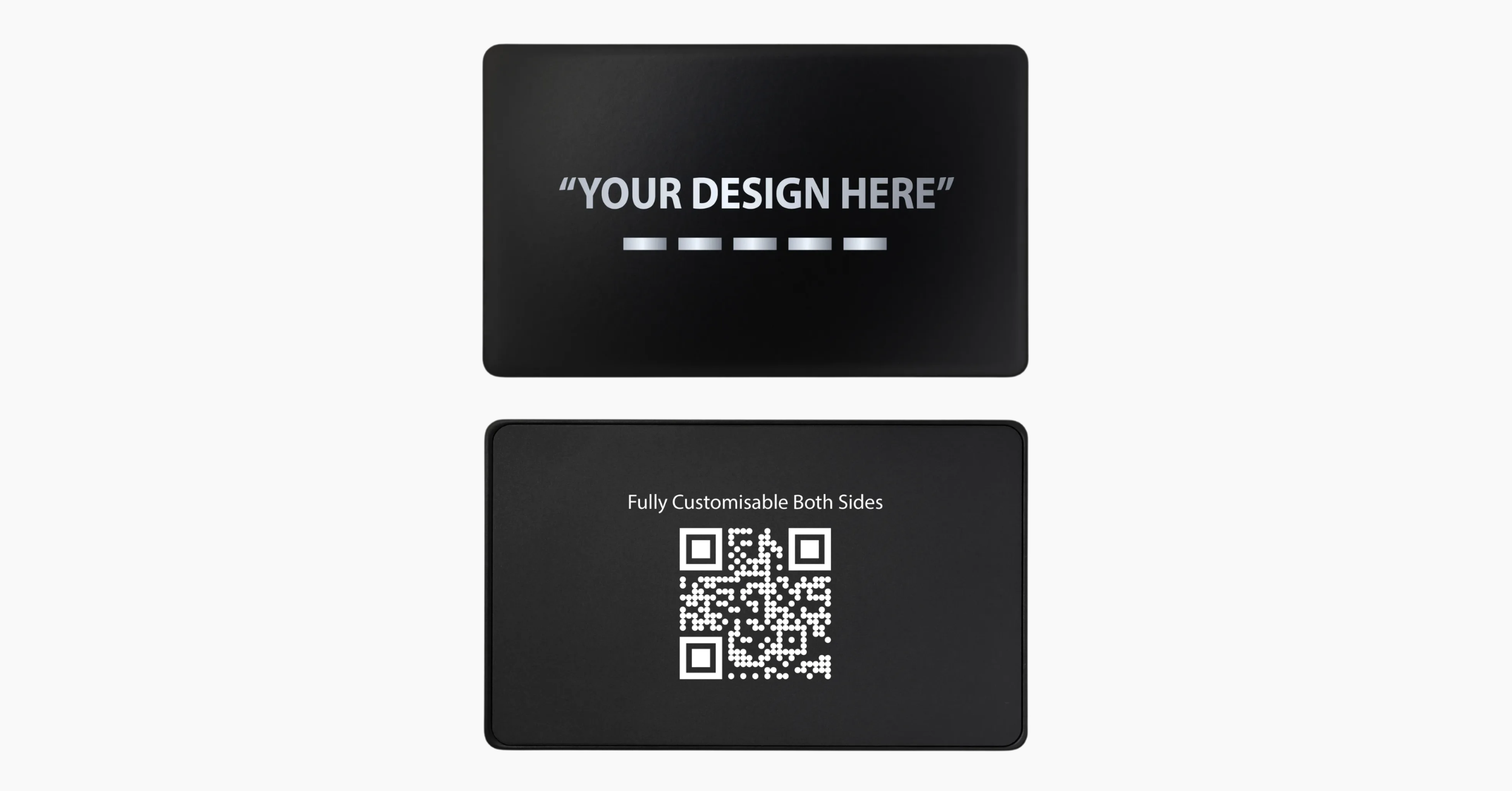
If your design includes small disclaimers, social handles, or QR codes, high contrast is critical. Matte black anodized metal with silver engraving often delivers the best readability balance.
Fingerprint Visibility Edge Wear and Surface Finish
Metal cards naturally resist bending, but polished surfaces can show fingerprints more visibly. Brushed or matte finishes reduce smudging. Over time, paper cards with raised foil may show edge wear, especially if frequently stored in wallets.
Soft touch lamination improves tactile feel on Vistaprint cards, but corners can still fray after extended use. Metal edges remain intact unless subjected to extreme force.
QR Code and NFC Placement Best Practices
For both formats, QR placement should follow clear spacing rules. Maintain sufficient quiet zone space around the code to ensure scan reliability. Avoid reflective foil directly over QR patterns.
For NFC cards, chip placement should not interfere with logo hierarchy. Positioning near the center or upper third typically ensures easier tap detection.
Thoughtful design prevents frustration. Now that performance realities are clear, let’s simplify the decision.
When to Choose Metal and When to Choose Vistaprint
Choosing between metal business cards and Vistaprint metallic or raised foil comes down to audience, budget, and brand strategy. The goal is not to pick the most expensive option. It is to select the format that supports your positioning.
Best for High Ticket Industries and Executive Branding
Metal business cards work best when:
• You operate in finance, luxury real estate, law, or private consulting
• Your average client value is high
• You attend selective networking events rather than mass exhibitions
• You want to signal authority and permanence
The weight and rigidity of steel or aluminum reinforce premium positioning. In executive meetings, physical differentiation often strengthens perception before any sales pitch begins.
Best for Startups Bulk Campaigns and Short Term Promotions
Vistaprint metallic and raised foil cards are ideal when:
• You need large quantities quickly
• Budget control is critical
• Your branding relies on full color gradients
• You distribute cards widely at trade shows
Foil accents provide visual elevation without industrial production costs. For early stage companies, this balance between affordability and design flexibility makes sense.
When NFC Digital Business Cards Become the Better Option
If your priority is instant profile sharing, analytics tracking, and easy updates, NFC enabled business cards may outperform both traditional options. They bridge physical interaction with digital convenience.
For professionals who network internationally, especially in tech driven cities like London or Dubai, NFC integration supports seamless follow up. You can combine premium materials with smart technology for maximum impact.
10 Point Buyer Checklist Before You Order
Before you commit to metal business cards or Vistaprint metallic and raised foil options, use this practical checklist to avoid costly mistakes and ensure your investment aligns with your brand strategy:
• Define your primary goal. Are you aiming for luxury positioning, bulk distribution, or digital connectivity through NFC
• Identify your target audience. High ticket clients often expect premium materials
• Clarify your budget per card and total quantity needed
• Decide whether durability or design flexibility matters more
• Test your logo in high contrast black and white to confirm readability on metal surfaces
• Check small font sizes under real lighting conditions before final approval
• Confirm QR code size and spacing if included to ensure reliable scanning
• Ask about production timelines and shipping lead times especially for international delivery
• Verify material thickness and finish type stainless steel aluminum brushed or matte
• Review refund policies proof approvals and warranty coverage before placing a bulk order
Save this checklist to your device and review it before uploading your final artwork. A few minutes of preparation can protect your brand image for years.
Conclusion
Choosing between a metal business card and Vistaprint metallic options is not just about appearance. It is about durability, positioning, and long term brand impact. A real metal business card delivers strength, weight, and a premium tactile experience that paper based foil cards cannot replicate. Vistaprint metallic and raised foil cards offer an enhanced printed finish on cardstock, which works well for bulk distribution and budget conscious campaigns. If your goal is executive presence and lasting impression, a metal business card often becomes the stronger investment. If flexibility and quantity matter more, metallic print options can still provide visual appeal at scale.
At Tapilink, we design every metal digital business card with precision engineering and built in NFC technology so your card does more than impress. We help professionals combine premium stainless steel or aluminum materials with instant digital sharing and editable profiles. Whether you want luxury positioning or smart networking power, Tapilink metal business card solutions are built to elevate your brand and make every introduction unforgettable.
Ready to revolutionize your networking approach? Explore TapiLink's range of premium NFC business cards and join the thousands of professionals who've already made the smart choice.