How to make metal business cards starts with choosing the right method for your tools, budget, and finish. The short answer is this: you can create metal business cards using laser engraving, chemical etching, UV printing, CNC machining, or by outsourcing to a specialist manufacturer. Each option works, but the results and costs vary.
If you are tired of paper cards being thrown away, metal offers durability and instant premium appeal. Stainless steel, anodized aluminum, and brass are the most common materials. With technologies like fiber lasers, diode lasers, and UV flatbed printers, even small studios can produce sharp designs with QR codes and precise vector graphics.
According to Statista, demand for premium printed materials continues to grow in branding and corporate gifting markets, showing that tactile quality still matters in a digital world.
In this guide, you will learn five practical methods step by step, including tools needed, material choices, design specifications, and realistic cost breakdowns.
What Are Metal Business Cards and Why Choose Them
Have you ever handed someone a paper card and watched it disappear into a pocket or bin? I have. That is exactly why many professionals are switching to metal business cards. They are designed to stand out and stay memorable.
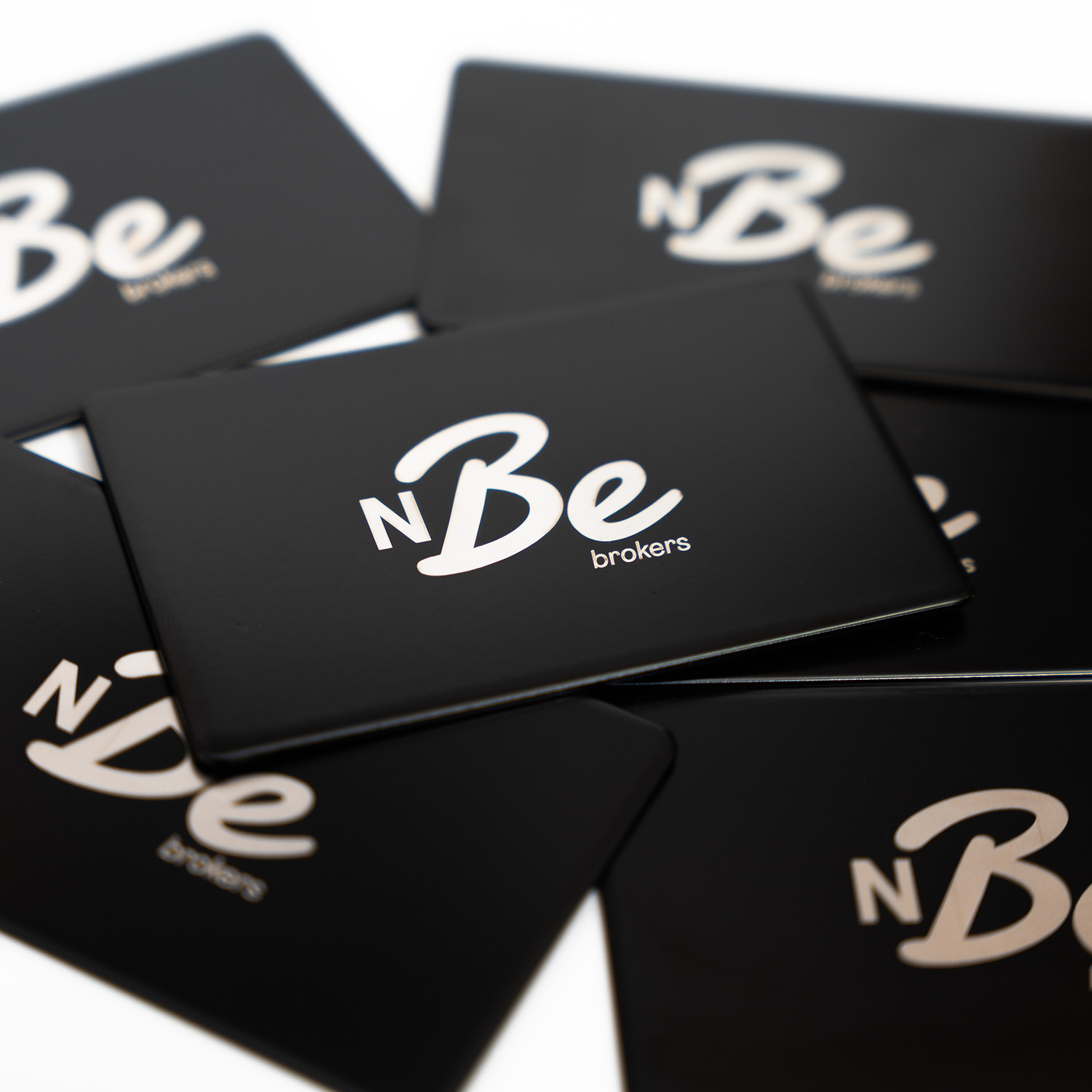
A metal business card is a card made from materials such as stainless steel, anodized aluminum, or brass instead of traditional paper. These metals are cut, engraved, etched, or printed with your branding. Most cards range between 0.3 mm and 0.8 mm thickness, which makes them significantly stronger than standard 350 gsm paper stock.
Why does that matter? Durability equals longevity. A stainless steel or aluminum card does not bend easily, tear, or fade with moisture. According to research published by Sappi on tactile marketing impact, physical material quality influences brand perception and memorability. Heavier, textured materials create stronger recall than standard paper.
Metal cards also communicate premium positioning. In competitive cities like London or New York, first impressions matter. A brushed steel or matte black anodized aluminum card signals confidence, creativity, and investment in branding.
Common metal options include:
- Stainless steel for strength and corrosion resistance
- Anodized aluminum for lightweight color finishes
- Brass for luxury aesthetic appeal
Now that you understand what metal business cards are and why they matter, let’s break down the first production method step by step.
Method 1: Laser Engraving Metal Business Cards
If you want the most popular DIY route, laser engraving is usually the first method people try. I have seen small studios produce impressive stainless steel cards using compact desktop machines, but the results depend heavily on the type of laser and setup.
Tools Needed for Laser Engraving
You will typically need:
- A fiber laser for deep engraving on stainless steel and brass
- Or a diode laser for marking coated aluminum
- Vector design software such as Adobe Illustrator or CorelDRAW
- Pre-cut metal blanks
- Safety glasses and proper ventilation
Fiber lasers deliver stronger, more permanent marks on bare metals. Diode lasers often require marking spray or coated metal to achieve contrast.
Step-by-Step Laser Engraving Process
1. Create your design in vector format such as SVG or AI.
2. Convert text to outlines and adjust line thickness.
3. Secure the metal blank using a jig for alignment.
4. Set power and speed settings based on metal type.
5. Run a small test piece before engraving full cards.
6. Clean residue and inspect engraving depth.
Precision matters. Even small alignment errors can ruin a batch.
Pros and Cons of Laser Engraving
Pros
- Sharp detail and precise logos
- Durable permanent marks
- Suitable for small batch production
Cons
- Higher upfront equipment cost
- Learning curve for settings
- Fiber lasers can be expensive
Laser engraving works best if you plan ongoing production. If not, another method may be more cost effective.
Method 2: Chemical Etching Metal Business Cards
Chemical etching is a traditional industrial technique used to create recessed designs in metal. It produces clean, professional results and is common in factory environments.
Materials Required for Chemical Etching
- Stainless steel or brass sheet
- Photo resist film or stencil
- Acid solution such as ferric chloride
- Protective gloves and ventilation setup
- Rinse and neutralizing solution
Safety is critical. Always use proper protective equipment and follow chemical handling guidelines.
Step by Step Etching Workflow
1. Apply photo resist to the metal surface.
2. Expose the design using UV light.
3. Remove unprotected areas to reveal bare metal.
4. Submerge in an acid bath to etch exposed areas.
5. Rinse and clean thoroughly.
The depth of etching depends on exposure time and acid concentration.
Pros and Cons of Chemical Etching
Pros
- Deep professional finish
- Excellent for bulk production
- Works well for intricate designs
Cons
- Requires chemical handling knowledge
- More complex setup
- Less practical for home studios
Chemical etching delivers impressive depth but is better suited for controlled environments.
Method 3: UV Printing on Metal Cards
If your design includes color gradients or full color logos, UV printing may be the right solution.
When to Use UV Printing
Choose UV printing when:
- You need vibrant color
- You want photo quality graphics
- You are using anodized aluminum blanks
How UV Printing Works on Aluminum
A UV flatbed printer deposits ink directly onto the metal surface. Ultraviolet light instantly cures the ink, bonding it to the material. This allows for sharp detail and layered white ink underprints for contrast.
Pros and Cons of UV Printing
Pros
- Full color capability
- Fast production
- Smooth professional finish
Cons
- Less scratch resistant than deep engraving
- Requires specialized printer
- Ink adhesion depends on coating quality
UV printing is excellent for bold branding but may not match the durability of engraved steel.
Method 4: CNC Cutting and Engraving
CNC machining offers precision cutting and shaping beyond surface marking.
Tools and Setup for CNC
- CNC milling machine
- Metal blanks or sheets
- CAD design software
- Clamping system for secure positioning
Workflow for Cutting and Detailing
1. Design the card in CAD software.
2. Convert design into machine toolpaths.
3. Secure metal sheet in machine bed.
4. Execute cutting and engraving operations.
5. Deburr and polish edges.
CNC is ideal for custom shapes, internal cutouts, and thicker metal cards.
Pros and Cons of the CNC Method
Pros
- Custom shapes and edge detailing
- Strong industrial finish
- High precision
Cons
- Slower production
- Higher machine cost
- Requires technical skill
CNC works best for unique or structural card designs.
Method 5: Outsourcing to a Metal Card Manufacturer
Sometimes the smartest move is not DIY at all.
When Outsourcing Makes More Sense
Outsourcing is ideal when:
- You need 100 or more cards
- You want premium finishes such as brushed or mirror polish
- You do not own specialized equipment
Typical Production Process in a Factory
Manufacturers typically:
1. Prepare vector artwork
2. Laser cut or stamp the metal
3. Etch or engrave the design
4. Apply finishing treatments such as anodizing or polishing
5. Conduct quality checks and packaging
Factories combine automation and skilled finishing for consistent results.
Pros and Cons of Professional Production
Pros
- High consistency
- Access to premium finishes
- Time saving
Cons
- Higher upfront order minimums
- Longer lead times
- Less creative experimentation
If your goal is brand impact with minimal risk, outsourcing can deliver reliable professional results.
Best Metal Types for Business Cards
Choosing the right metal can completely change how your business card looks, feels, and performs. I have seen two identical designs look premium on one metal and underwhelming on another. Material selection matters more than most people realize.
Stainless Steel
Stainless steel is the most popular option for metal business cards. It is strong, corrosion resistant, and works exceptionally well with fiber laser engraving. Typical thickness ranges from 0.3 mm to 0.5 mm. It delivers a clean industrial finish and high durability. If you want long lasting engraved detail and a professional feel, stainless steel is often the safest choice.
Anodized Aluminum
Anodized aluminum is lightweight and available in various colors such as black, gold, blue, or red. It engraves beautifully because the laser removes the colored coating to reveal silver metal underneath, creating strong contrast. Aluminum is easier to cut than steel, making it ideal for DIY makers using diode lasers.
Brass and Specialty Metals
Brass offers a luxury gold tone and strong visual impact. It works well with deep engraving and chemical etching. Specialty metals such as copper or titanium can also be used but are typically more expensive and harder to machine.
If durability and precision matter most, choose stainless steel. If color and lightweight feel are important, aluminum may be better. Now let’s look at the most common mistakes people make and how to avoid them.
Common Mistakes and How to Avoid Them
Even experienced makers run into problems when producing metal business cards. Small technical errors can ruin an entire batch.
One common issue is low contrast engraving. This usually happens when power settings are too low or when using bare aluminum without proper marking spray. Always test on scrap material before full production.
Another problem is warped metal. Excessive laser heat or uneven clamping can cause thin aluminum sheets to bend. Use a flat jig and avoid overpowered passes.
Rough edges and burrs are common with CNC cutting. Deburr edges with fine sandpaper or polishing tools to prevent sharp corners.
Many people also struggle with QR code scan failures. This often results from insufficient contrast, shallow engraving depth, or overly small QR modules. Ensure the QR code has high contrast and meets recommended minimum sizing standards before production.
Testing each card before distribution saves time and money. A small trial run can prevent costly mistakes and protect your brand reputation.
Upgrade Your Brand with Tapilink Metal Business Card Solutions
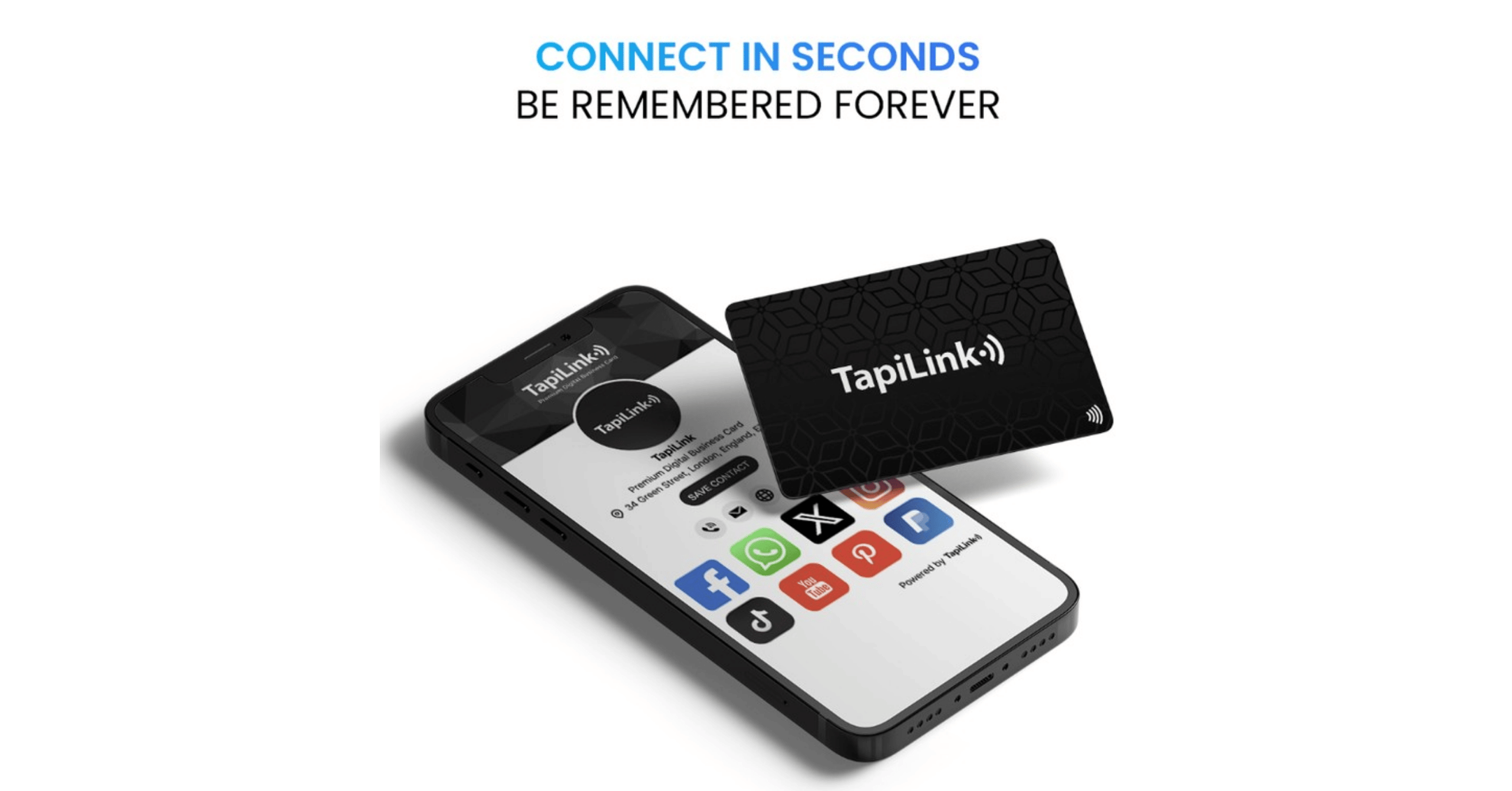
If you want a premium digital business card that also delivers physical impact, the Tapilink Metal Business Card range is designed for professionals who value durability and smart connectivity. Our engraved and brushed metal designs combine stainless steel strength with modern NFC technology, giving you a powerful hybrid between a classic metal business card and a tap to share digital business card.
Each product is built for long term use and brand authority. With NFC and QR integration, your digital business card profile opens instantly when tapped. That means no paper waste, no typing, and no missed opportunities. Whether you choose the Black Metal Engraved Digital Business Card or the Brushed Silver Metal Business Card, every product reflects quality and precision.
Our metal business card collection is fully customizable on both sides and crafted to withstand daily networking. If you want your digital business card to stand out at meetings, conferences, or events, Tapilink provides a refined and reliable solution.
Ready to Upgrade from DIY to a Professional Digital Business Card
Creating a metal business card on your own can be time consuming and inconsistent. Engraving depth, contrast, and alignment errors often reduce the premium feel you aim for. Instead of managing tools and testing materials, you can invest in a professionally engineered digital business card product that works flawlessly from day one.
Tapilink products combine durable metal craftsmanship with smart NFC functionality. Your digital business card becomes more than contact information. It becomes a sleek, modern networking tool designed to impress and perform. If you want a dependable metal business card that also functions as a high impact digital business card, choosing a ready made Tapilink product is the smarter move.
Conclusion
Making metal business cards can be done in several ways, from laser engraving and chemical etching to UV printing, CNC machining, or outsourcing to a professional manufacturer. The right method depends on your tools, budget, quantity, and the finish you want. By understanding materials like stainless steel, anodized aluminum, and brass, and avoiding common mistakes such as low contrast engraving or QR scan failures, you can create a metal business card that truly represents your brand.
If you want to combine durability with smart connectivity, consider upgrading to a professional digital business card solution. At Tapilink, we design premium metal business cards with built in NFC and QR technology for modern networking.
Ready to elevate your brand? Visit Tapilink and choose a metal digital business card crafted for impact.
Ready to revolutionize your networking approach? Explore TapiLink's range of premium NFC business cards and join the thousands of professionals who've already made the smart choice.